
Webflow Maintenance Plans
Tiered Webflow maintenance plans for live sites — monthly hour bank, defined response SLA, quarterly health reports, and rollback-ready deploys on every plan. Three Webflow retainer plan tiers (Care, Care+, Enterprise) priced against actual hours per month rather than vague "unlimited fixes." Predictable retainer, no invoice surprises, no producer roulette — a single named producer plus a backup who already know your build top to bottom.

What a Webflow Retainer Plan Looks Like in Practice
Live Webflow sites need looking-after — broken third-party embeds, drifting CMS content, pricing tweaks, the occasional emergency fix. A retainer plan means you've got someone on the hook for those without the overhead of finding a new freelancer each time. We hold the institutional knowledge, pick up where your build team left off, and give you a defined hour budget you can actually plan against.
- 01
Tiered hour bank — Care (8h), Care+ (16h), Enterprise (32h+) per month, rollover capped at 1 month
- 02
Defined SLA — same-business-day acknowledgment, scoped fixes within 48 hours, emergency under 4
- 03
Quarterly performance + SEO health report against the previous quarter's baseline
- 04
Staging-first deploys with rollback-ready discipline — no live edits, no "oops, can you revert"
- 05
Third-party integration monitoring — analytics, embeds, forms, Stripe, HubSpot, Calendly
- 06
Optional priority queue (Care+ and Enterprise) for outage and broken-functionality incidents
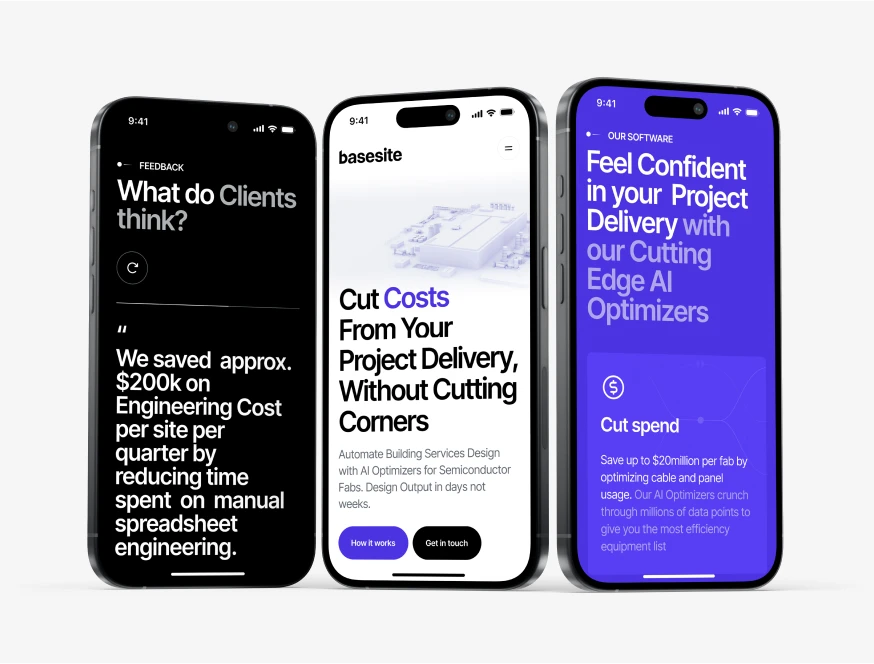
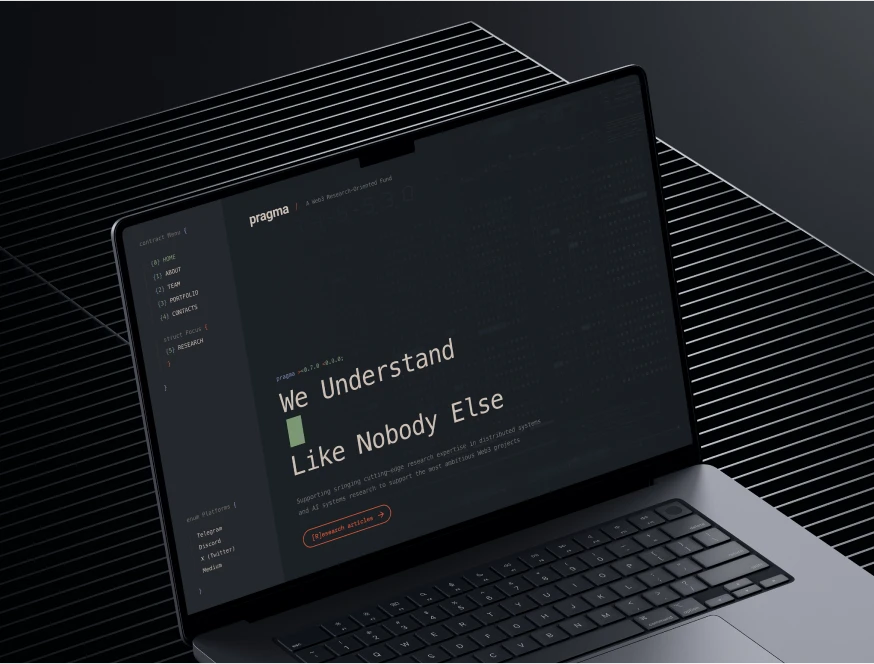
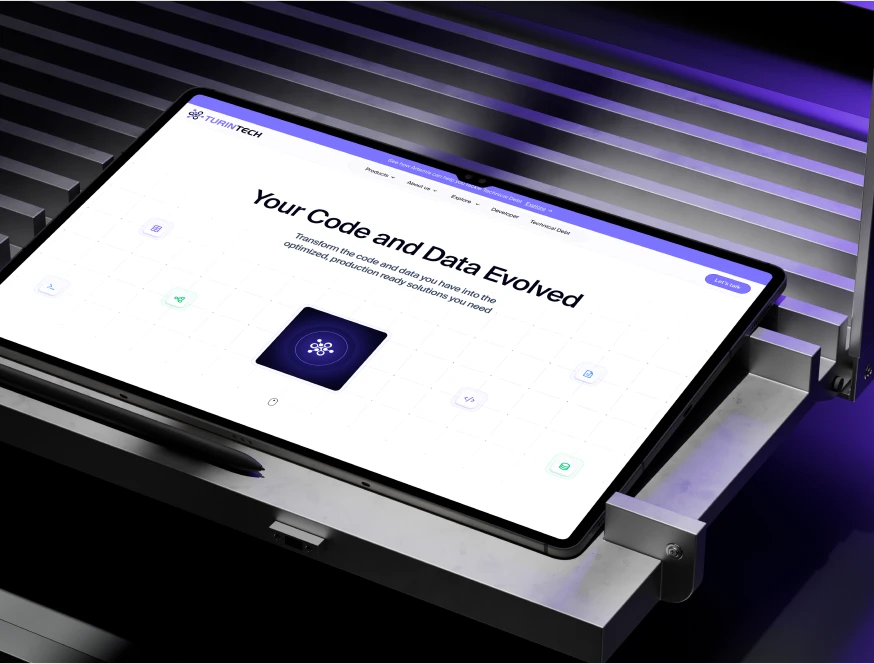
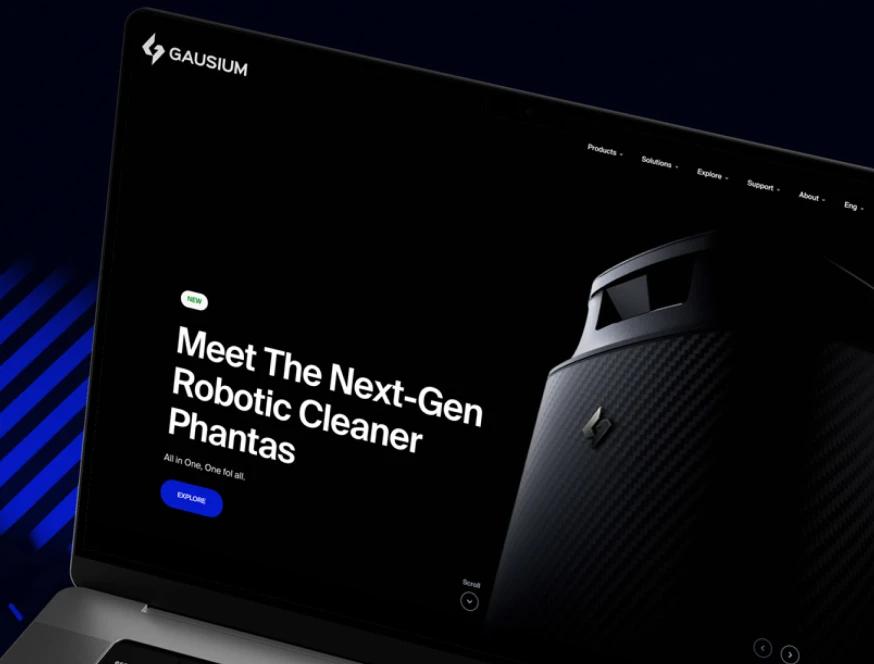
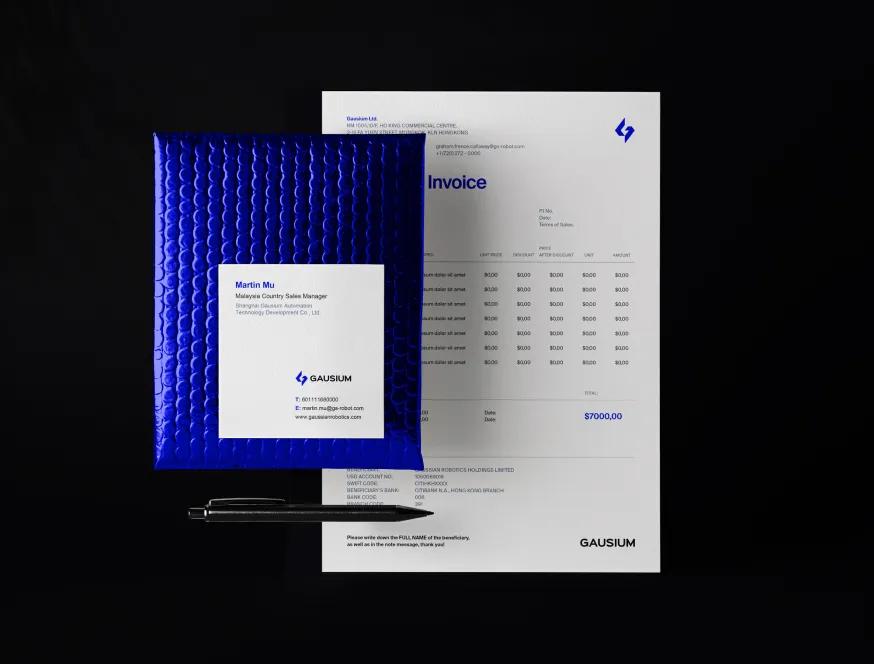
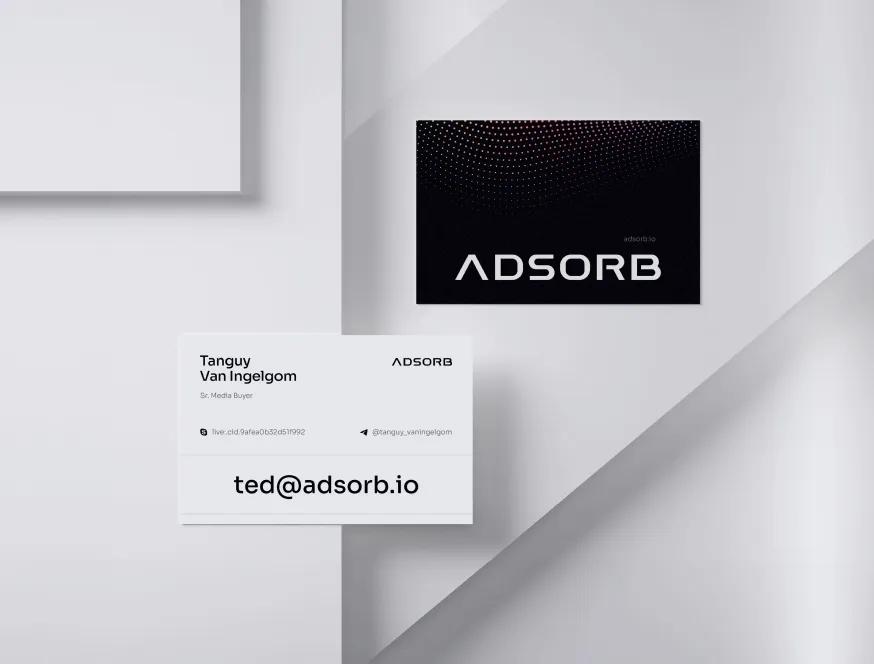
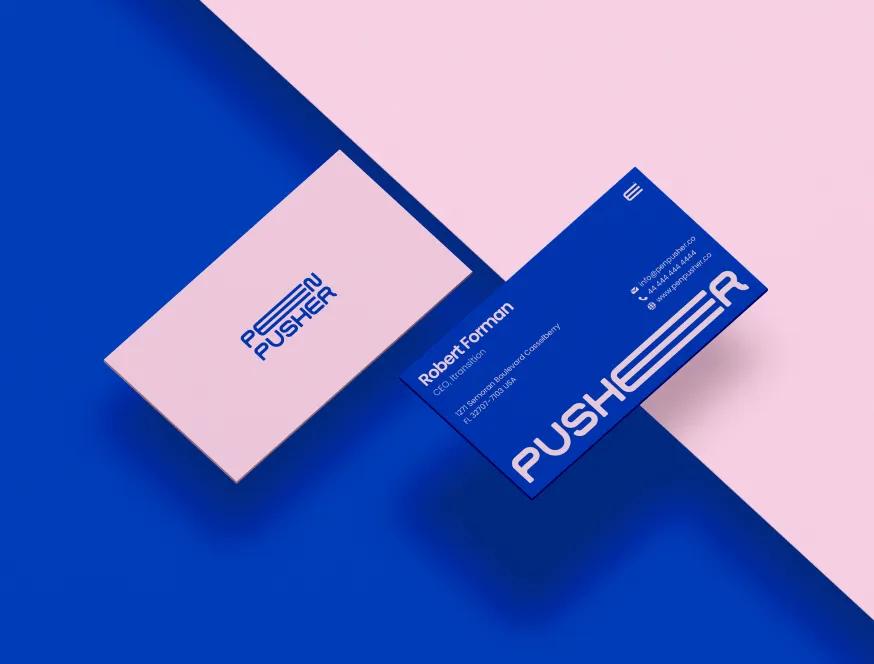
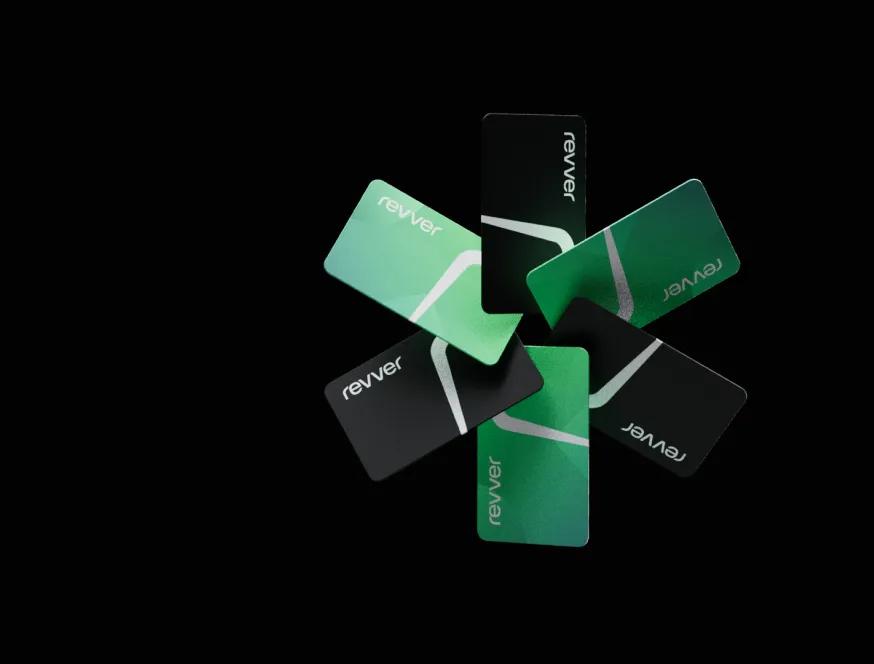
Designs Worth Remembering
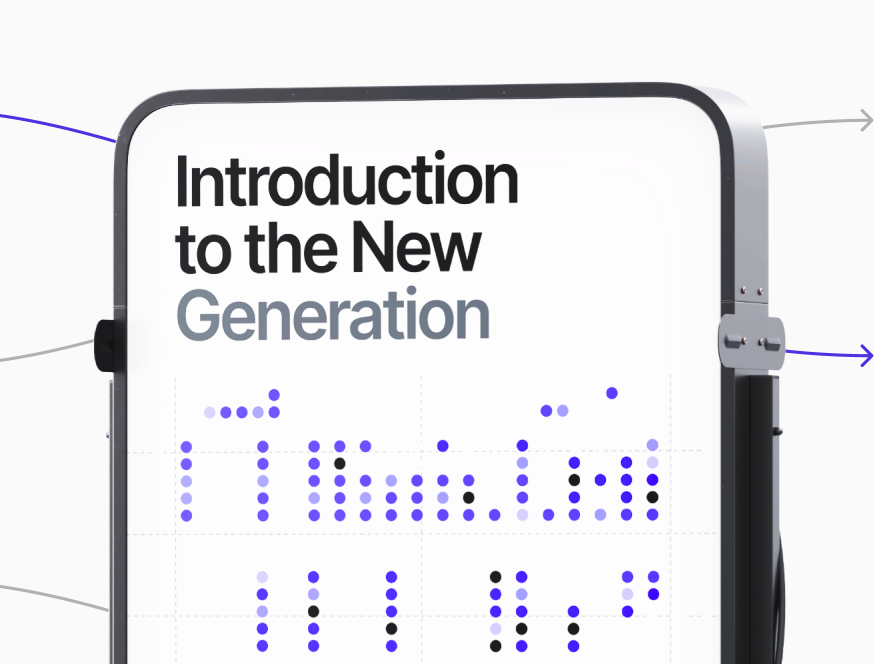
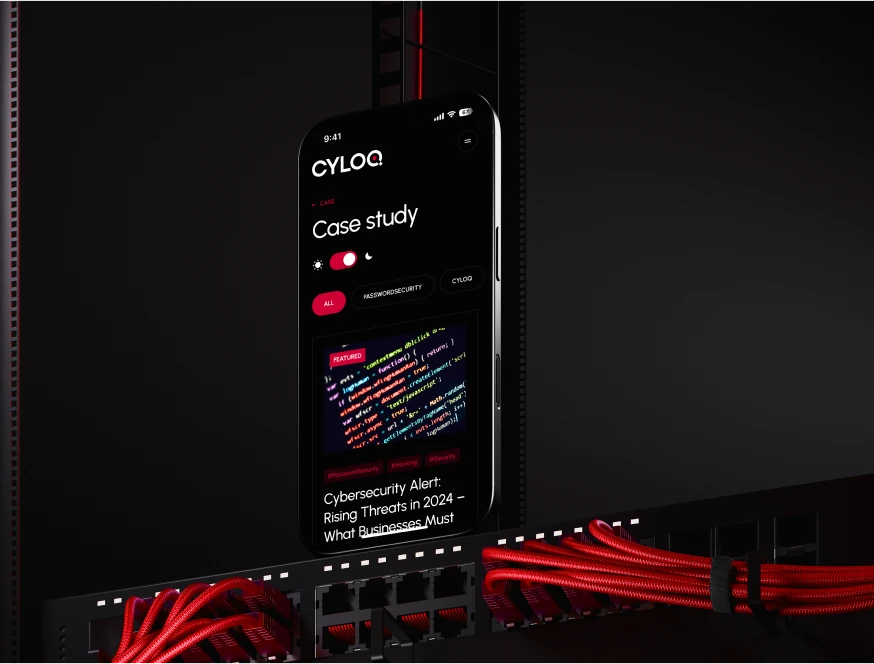
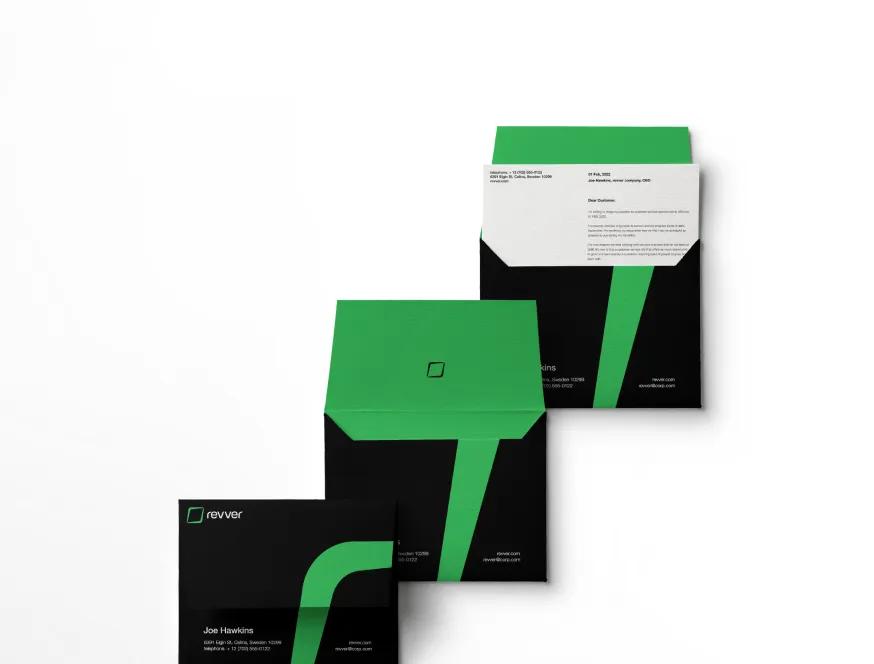
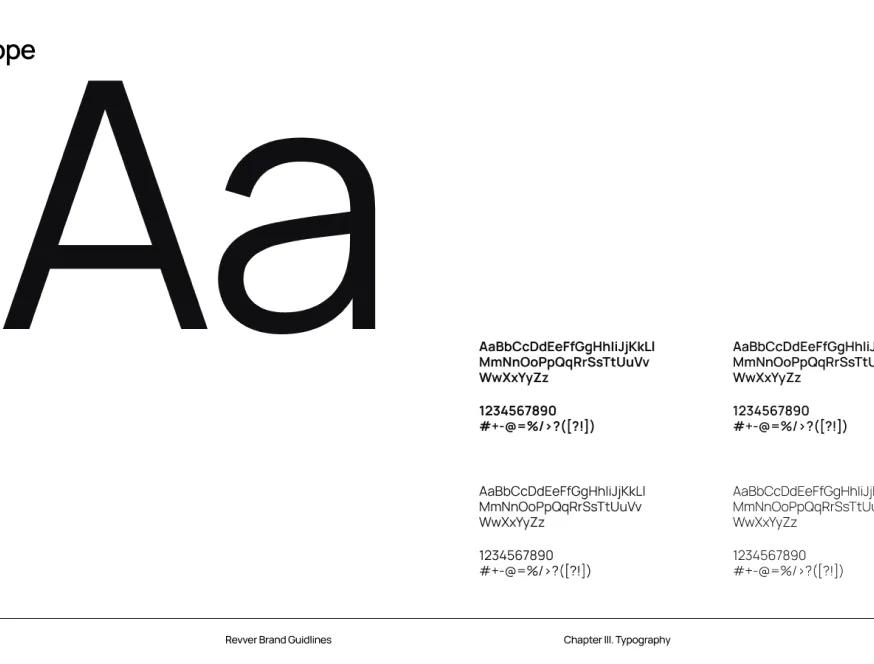
A curated mix of visuals that speak louder than words — bold, refined, and uniquely crafted.










How Our Webflow Retainer Plans Stay Honest Month After Month
Most Webflow maintenance plans fail in one of three predictable ways: vague "unlimited fixes" pricing that quietly throttles in practice, no defined SLA so urgent issues queue behind cosmetic ones, or constant producer turnover that destroys institutional memory of your build. We've engineered against all three. Four operating choices keep our retainer plans honest month after month, and they're why average tenure on a Care+ plan runs past 24 months.
Hour bank, not "unlimited"
Every plan has a published monthly hour budget — 8, 16, or 32+ — visible to both sides. You see what's been used and what's left every Friday. "Unlimited" plans are how agencies hide queueing; published budgets force honest prioritization. Hours roll over one month to absorb seasonal lumpiness, but no further — that prevents the "banked 80 hours and now demanding three weeks of work" pattern that breaks both sides.
SLA tied to severity, not contract size
P1 (site down, checkout broken, lead form silently failing) gets a 4-hour scoped response on every plan, including Care. P2 (visible bug on a key page) gets same-business-day. P3 (cosmetic / non-blocking) gets 48 hours. Most agencies tier SLAs by spend; we tier by what's actually hurting your business right now. A broken checkout on a Care plan still gets the same 4-hour clock as on Enterprise.
One named producer, with a backup
You get the same person on every ticket for the duration of the plan, plus a named backup who's been onboarded to your account. No more "the freelancer who built this is on holiday and nobody else can help." Average ticket cycle time on a tenured account: 3 hours start-to-deploy on a P3, vs the 2–4 days you get with a rotating-queue agency model. Institutional knowledge compounds.
Quarterly health report, not month-end fluff
Every 90 days you get a one-page report: Core Web Vitals trend, Search Console index coverage, broken-link delta, third-party script audit, and a flagged list of "things to consider next quarter." This is the artifact most retainers don't produce because it requires real engineering time. We bake it into the plan because without it you can't tell if your retainer is keeping up or slowly losing ground.
Meet the Team Behind the Work
Our team brings together specialists from different creative and technical fields — from Webflow developers to creative directors.
Each of us contributes our own perspective, skills, and dedication to deliver thoughtful, high-quality digital solutions for our clients around the world.
Why Most Webflow Maintenance Plans Quietly Underdeliver
Three Webflow retainer-failure patterns we've inherited dozens of times when picking up an account from another agency. Each is structural — not a complaint about the producer, but a flaw in how the plan was sold. Plans that solve all three from day one stay alive for years; plans that solve none churn within six months.
The "unlimited fixes" plan with hidden throttling
Sounds great on the sales call. In practice the agency triages aggressively to protect margin: your ticket sits in queue for 9 days, the producer cycles every quarter, and "unlimited" turns out to mean "unlimited if you're patient and undemanding." The cost: 60–70% of the value you thought you were paying for, no real way to escalate, and eventually you cancel the retainer and find a freelancer — who has none of the institutional knowledge. Defined hour banks aren't a downgrade; they're how you get accountability.
The retainer that's actually a project queue
Marketing wants three new landing pages. Sales wants a pricing page revision. Product wants a careers page. The retainer was sized for "maintenance" but is being asked to deliver feature work. Hour bank gets exhausted in week two; everything after that becomes change-orders the finance team didn't expect. We're explicit: maintenance plans cover small fixes, content updates, and minor feature work within hour budgets. Larger feature work is scoped as separate projects (our New Feature Development service) and quoted up-front.
The retainer with no rollback discipline
Producer makes a live edit on a Tuesday afternoon, breaks the homepage hero on iPad, doesn't notice for 6 hours. There's no staging environment, no version-controlled deploy, no rollback path. You lose 6 hours of inbound traffic during a paid-campaign window. The next month it happens again, on the checkout page. We require staging-first deploys on every retainer (including the smallest plan), version every change in a deploy log, and keep rollback to the previous published state available within 5 minutes of any deploy. This is non-optional for any account we run.

Other Services We Offer
We also build new sites end-to-end, ship brand identity systems, and run Figma-to-Webflow conversions — see the full picture.

Picking the Right Webflow Maintenance Plan for Your Stage
The right Webflow retainer plan depends almost entirely on how much your site changes month to month and how dependent the business is on it being right. Plans aren't priced on "prestige" — they're priced on hour budget, SLA tier, and reporting cadence. The differentiation between this and our parent Website Care service is intentional: the parent describes our overall support offering; this page is the specific plan tiers, scopes, and SLAs.
- Care (8h/month): small marketing sites, minimal monthly change, occasional fixes. SLA on P1 incidents, P2/P3 on standard cycle. Quarterly health report. Right for sites that mostly just need to keep working.
- Care+ (16h/month): active marketing sites with regular content updates and minor feature work. Priority queue, all SLA tiers, monthly health summary. Right for most B2B SaaS marketing sites and agency-side teams managing client work.
- Enterprise (32h+/month): high-traffic, revenue-critical sites with constant change. Dedicated producer + backup + escalation contact, custom SLAs, weekly check-ins, full quarterly review. Right for ecommerce, lead-gen sites with paid spend, and large content operations.
- All plans share: staging-first deploys, rollback discipline, hour-bank visibility, named producer, defined SLA on P1.
What a Webflow maintenance plan covers in practice: small content updates and copy edits, minor layout fixes, broken-embed remediation, third-party integration troubleshooting (HubSpot forms, Calendly, Stripe, GTM), CMS field additions on existing collections, monthly performance + SEO health check-ins, emergency incident response on P1 issues, and the institutional-knowledge tax on every change being absorbed by us, not your team.
What it doesn't cover: full redesigns, new top-level pages with heavy custom logic (those are New Feature Development engagements), large-scale technical SEO remediation (SEO Tune-Ups), bulk performance overhauls (Performance Optimization), or content strategy work. We'll tell you up-front when a request belongs in a separate scope rather than burning hour-bank inefficiently.
When this isn't the right fit: if your site is being rebuilt, retainer hours will get burned on fixes-to-the-rebuild rather than maintenance — wait until the rebuild is stable. If you only need a single one-off fix every 4–6 months, per-incident project work is cheaper. If you want "unlimited fixes for a flat fee," we can't price-honestly against that — we'd rather lose the deal than sell a plan we'll have to throttle to keep margin.