
Monthly Content Updates
Recurring monthly website content updates for Webflow sites — new blog posts, case study additions, team and pricing changes, hero swaps — handled by people who already know your CMS schema. Predictable cadence, defined turnaround, and no project-management overhead on your side. Two to four pieces shipped a month, not a freelancer who goes quiet for three weeks.

What a Webflow Content Maintenance Retainer Covers
Most live sites die slowly. Not from outages — from neglect. Last blog post is from eight months ago. Pricing page still says "starting Q2." Two team members left, and the About page still lists them. A monthly content updates retainer keeps the publishing cadence honest: new pieces ship on schedule, existing pages stay current, and your CMS doesn't drift into a junk drawer of half-finished drafts and orphaned references.
- 01
2–4 blog posts published per month with full CMS formatting and OG images
- 02
Case study additions with image optimization, alt text, and meta fields complete
- 03
Service-page revisions, pricing updates, and seasonal hero swaps within 48 hours
- 04
Asset prep — WebP conversion, responsive sets, sub-200KB hero compression
- 05
Internal linking pass each month surfacing new content from existing pages
- 06
Monthly summary report listing what shipped, what's queued, and CMS health flags
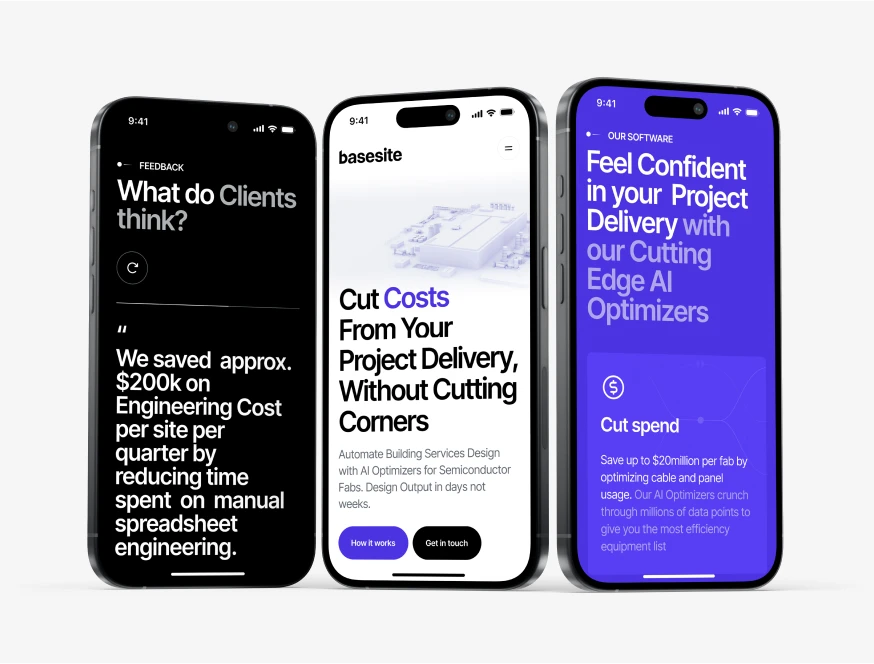
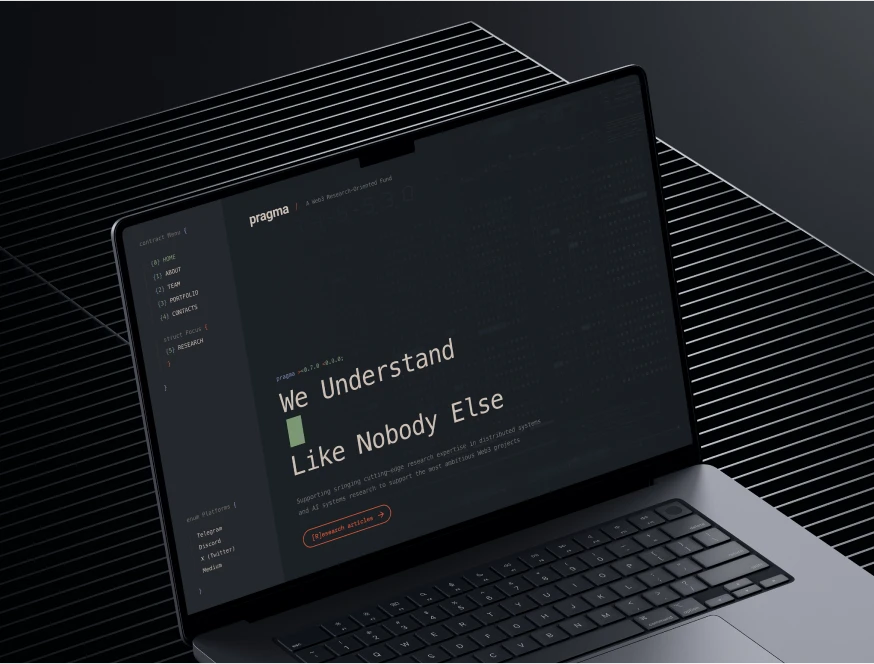
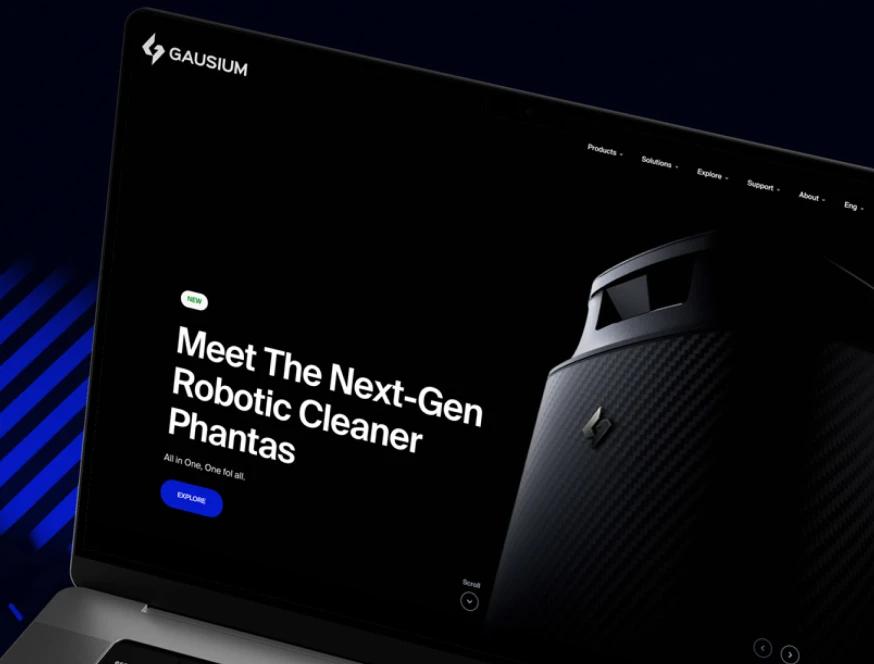
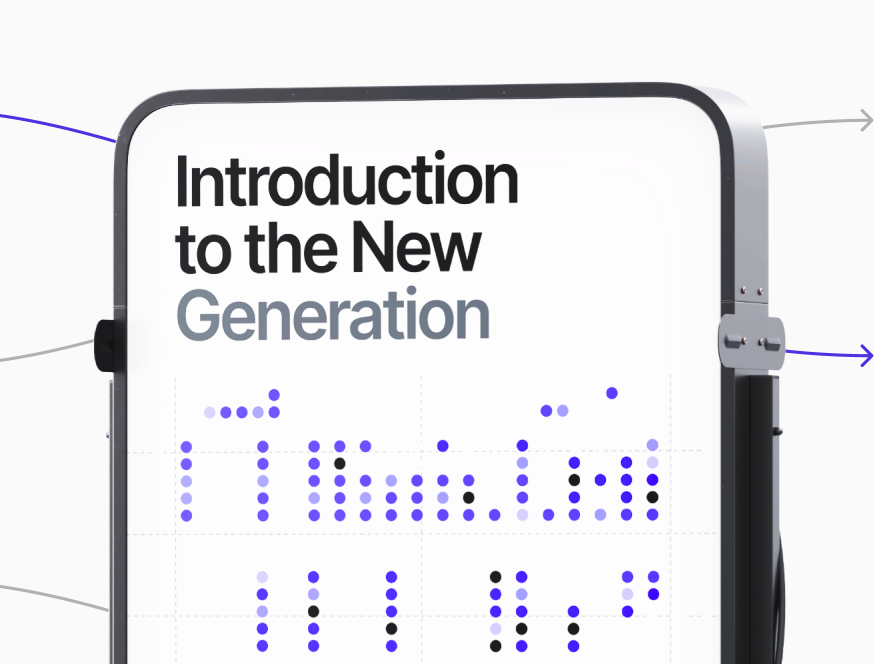
Designs Worth Remembering
A curated mix of visuals that speak louder than words — bold, refined, and uniquely crafted.
















How a Predictable Content Update Cadence Actually Holds
Most monthly content retainers fail because they're priced like agency hours but staffed like freelance gigs — different person every ticket, no institutional memory of your CMS, no defined turnaround. We run this differently. Three operating choices keep the cadence and the quality honest month after month, and they're the reason our average retainer tenure runs past 18 months instead of the industry norm of 4.
One named editor on every account, not a queue
You get the same person filing every update for the duration of the retainer. They learn your CMS schema, your tone, your image conventions, and your brand do-nots. Average ramp time on a new account is 2 weeks — after that, a typical blog post moves from draft delivered to published in 3 hours, not 3 days.
Schema-aware drafting, not copy-paste from Google Docs
We draft directly against your Webflow CMS fields — slug, summary, hero image, OG image, category reference, author reference. No hand-pasting from Docs and discovering at publish time that your blog template requires a 1200×630 OG image and a separate 16:9 hero. That ritual eats 40 minutes per post on its own; we eliminate it.
Monthly content health pass alongside the publishing
Every month we sweep for broken external links, drifting copy (dead pricing tiers, departed teammates, expired offers), missing alt text on recent uploads, and orphaned CMS items still set to draft. This is the part DIY content ops always skips. Sites that skip it average 18–25 broken links and 3–4 stale pages by month six.
Meet the Team Behind the Work
Our team brings together specialists from different creative and technical fields — from Webflow developers to creative directors.
Each of us contributes our own perspective, skills, and dedication to deliver thoughtful, high-quality digital solutions for our clients around the world.
Where Most Content-Update Retainers Quietly Fall Apart
We've inherited a lot of dead monthly content retainers — accounts where the previous agency stopped publishing six months ago, the editorial calendar is a Google Sheet last touched in March, and the marketing lead is doing the work themselves at midnight. Three failure patterns recur on almost every one, and each carries a measurable cost to the business that signed up expecting otherwise.
The shared inbox with no SLA
You email "can we update the pricing page?" — and 9 days later someone asks for clarification. Most agency content retainers run on a shared support inbox with no defined response time, no per-task budget, and no cadence guarantee. The cost: 2–3 weeks of stale pricing while a launch is live, $4–8K in retainer fees burned on slack-tag overhead, and the marketing lead eventually doing it themselves at midnight. We use a defined SLA — same-business-day acknowledgment, scoped fixes within 48 hours, larger pieces against a published monthly calendar.
The freelancer who doesn't know the CMS
A generalist writer publishes a blog post, doesn't realize the template requires a structured FAQ block bound to an `faqs` reference field, and pastes plain text into the rich-text instead. Six months later you've got 40 blog posts that don't render the FAQ schema, and your AI Overviews / People Also Ask coverage is 30% of what it should be. We re-fix this constantly on inherited sites. Doing it right the first time means the next 40 posts ship with structured data intact and surfaces in AEO panels from day one.
The "unlimited revisions" trap
Sounds generous. In practice it means every blog post sits in review for 9 days while three stakeholders rewrite the intro four times, the publishing calendar slips two months, and the retainer effectively delivers half its scope. We cap revision rounds (two per piece, on a defined turnaround), publish against a monthly calendar agreed at month-start, and treat "feedback after round two" as a new piece in next month's queue. Retainer throughput goes up 40–60% versus the unlimited model — same cost, twice the published output.

Other Services We Offer
We also build new sites end-to-end, ship brand identity systems, and run Figma-to-Webflow conversions — see the full picture.


Who Should and Shouldn't Buy Monthly Webflow Content Updates
A monthly website content updates retainer is the right call when you've got a live Webflow site, a real publishing strategy, and an internal team that has higher-priority work than wrestling with CMS bindings every Tuesday afternoon. It pays for itself when the alternative is hiring a part-time content ops person at $4–6K/month or watching the blog go dark for a quarter.
- You publish at least monthly. If you ship one piece a quarter, a retainer is overkill — book us per-project instead. The economics only work when there's a real cadence.
- Your CMS is already structured. If your blog template is a single rich-text field with no author / category / OG image bindings, fix the schema first (that's a separate Webflow CMS Setup engagement). A retainer on a broken schema just publishes broken posts faster.
- You want the publishing operation, not the strategy. We execute against a content brief — keywords, titles, structure, sources. We don't replace an SEO strategist or an editorial director. If you need someone to decide what to write, this is the wrong service.
- You're on a paid Webflow plan. CMS limits matter. The free Basic plan caps at 50 collection items; Standard at 2,000. If you're publishing 4 posts a month, a Standard or Business plan is non-negotiable.
What a monthly content updates retainer does well: holds the publishing cadence, keeps the existing CMS healthy, ships the predictable updates marketing teams can never quite get to. Pricing pages drift, hero copy ages, the blog goes quiet — that's the stuff this retainer fixes before the team notices.
What it doesn't do: net-new feature work, integrations, large redesigns, or technical SEO remediation. Those live in our other support sub-services — net-new sections in New Feature Development, Core Web Vitals work in Performance Optimization, and audit-driven crawl/index fixes in SEO Tune-ups.
When this isn't the right fit: if you need a single one-off content sprint (book a project), if your strategy is still being figured out (engage a strategist first), or if your CMS schema needs rebuilding before content can ship cleanly (start with CMS Setup, then layer the retainer on top).