
Webflow Development Agency
We're a Webflow development agency that builds production-grade marketing sites, content platforms, and product landings — and stays on after launch to make sure they keep performing. Senior bench, Client-First or Lumos as standard, and a documentation pass that means the next agency you hire (if it ever comes to that) won't curse our names.
What Working With a Real Webflow Development Agency Means
Webflow development agencies vary wildly in what "agency" actually means — from one freelancer with a logo to embedded teams with project managers and senior bench. We're the second kind. Every project gets a producer, a designer, a senior Webflow developer, and a QA pass. Scope is defined in writing. Estimates ship with a buffer the team actually believes. And we hand off enough documentation that you could leave us tomorrow and your team would be fine.
- 01
Full Webflow implementation from Figma — desktop, tablet, mobile, with diff-overlay QA
- 02
CMS architecture designed before the build, not bolted on at week five
- 03
Custom interactions where they earn their cost; native panel everywhere else
- 04
Third-party integrations — analytics, marketing automation, search, payments, embeds
- 05
Lighthouse and Core Web Vitals targets in the SOW, not as a wishlist
- 06
Documentation handoff covering class system, CMS schema, and editor workflows
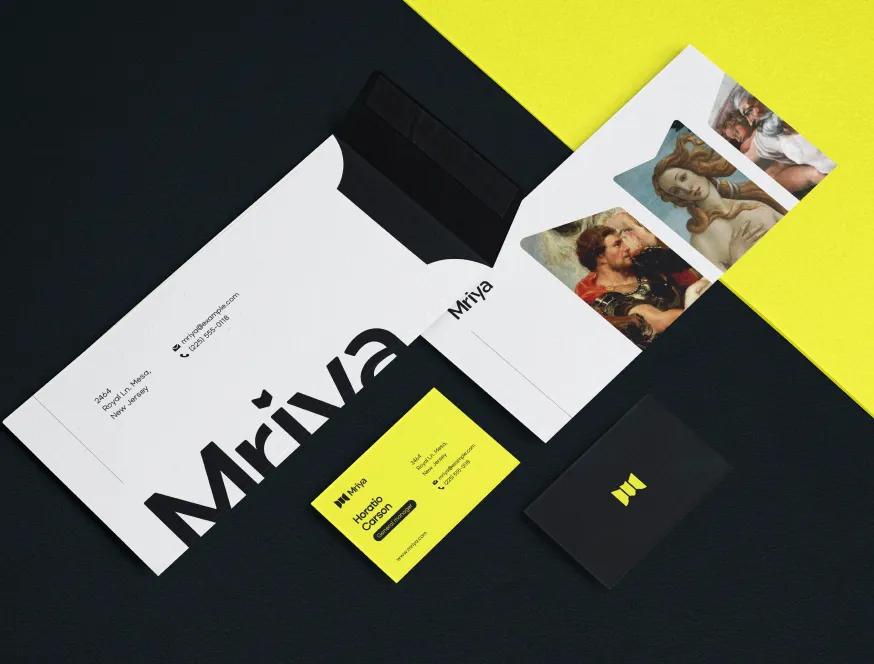
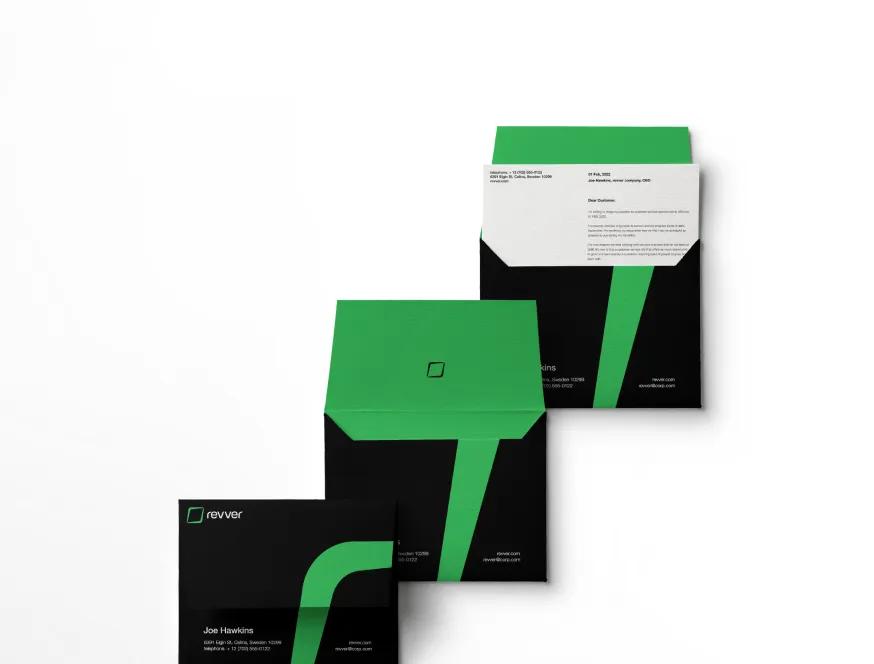
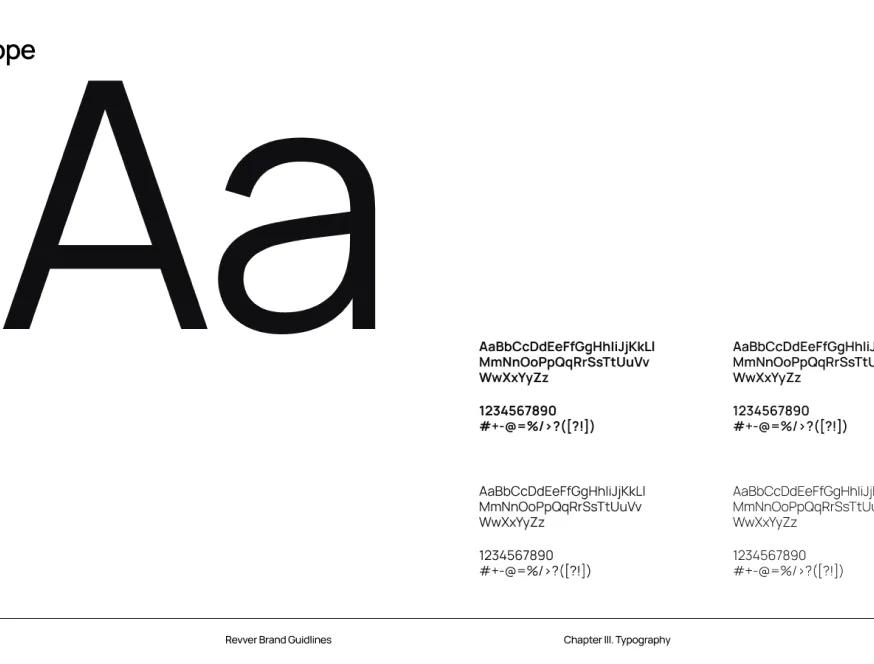
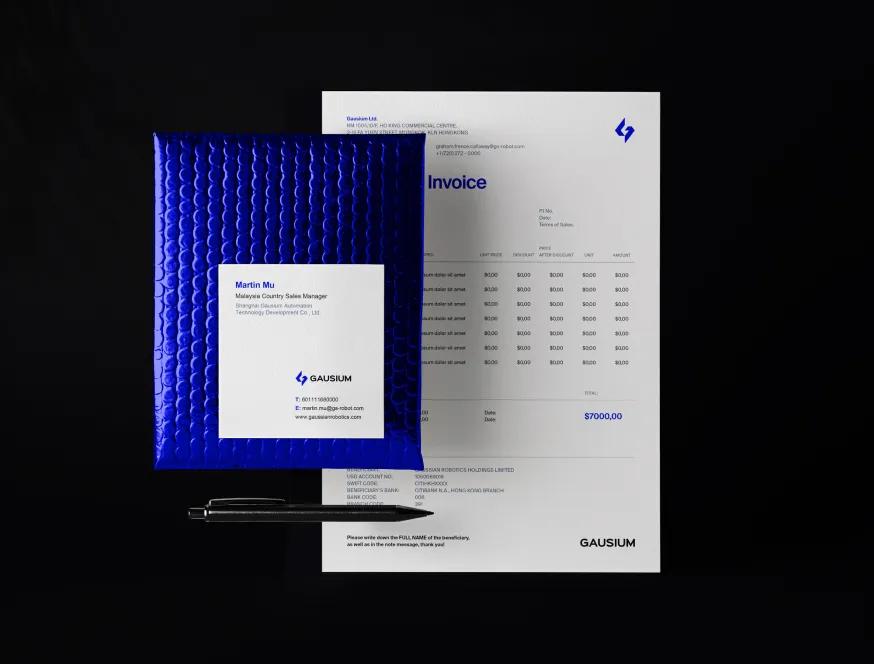
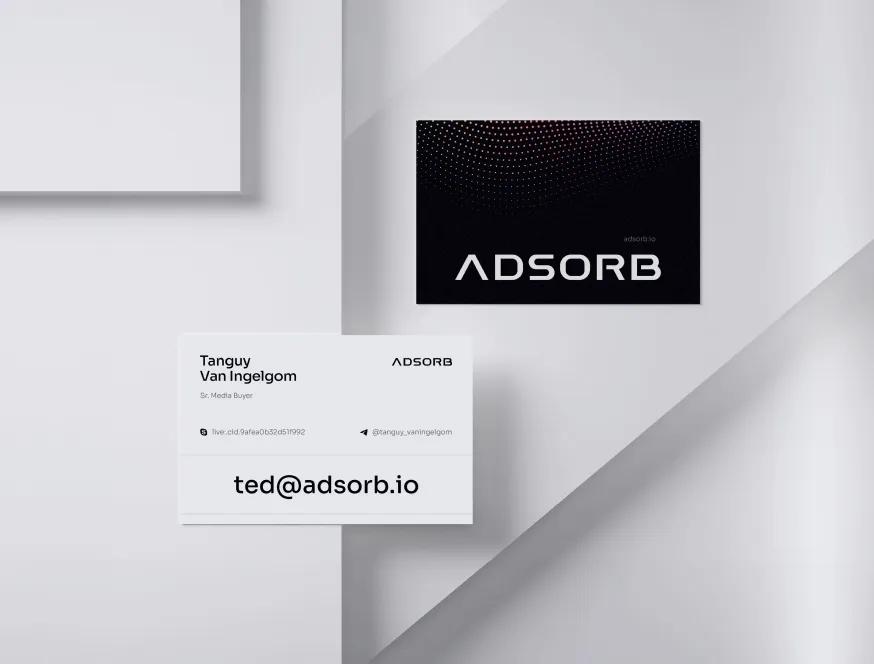
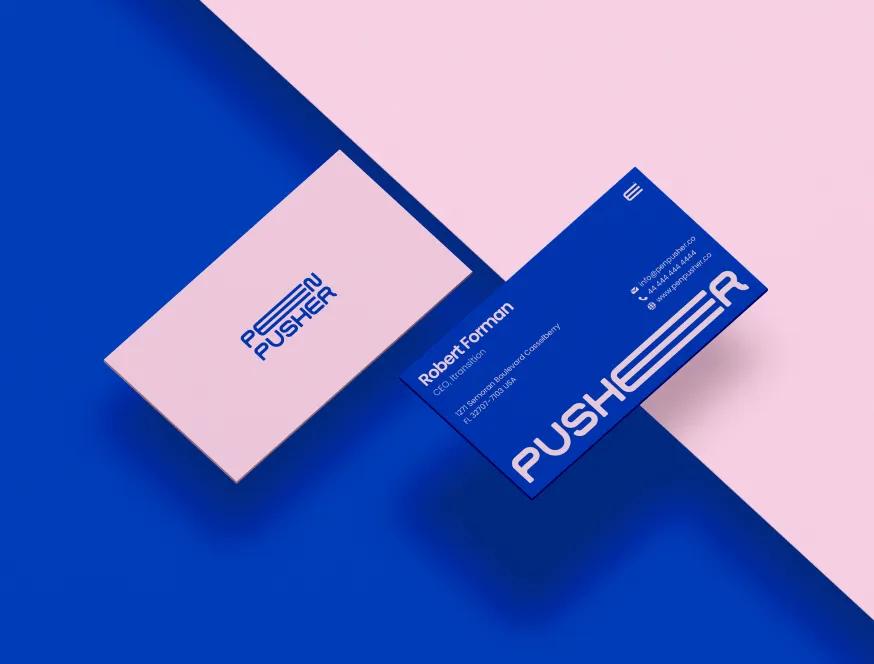
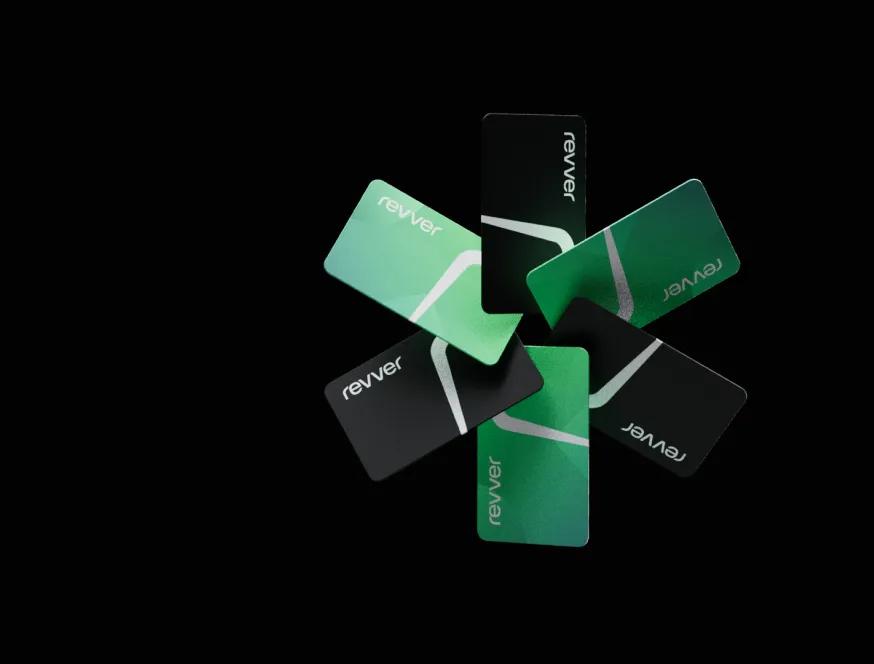
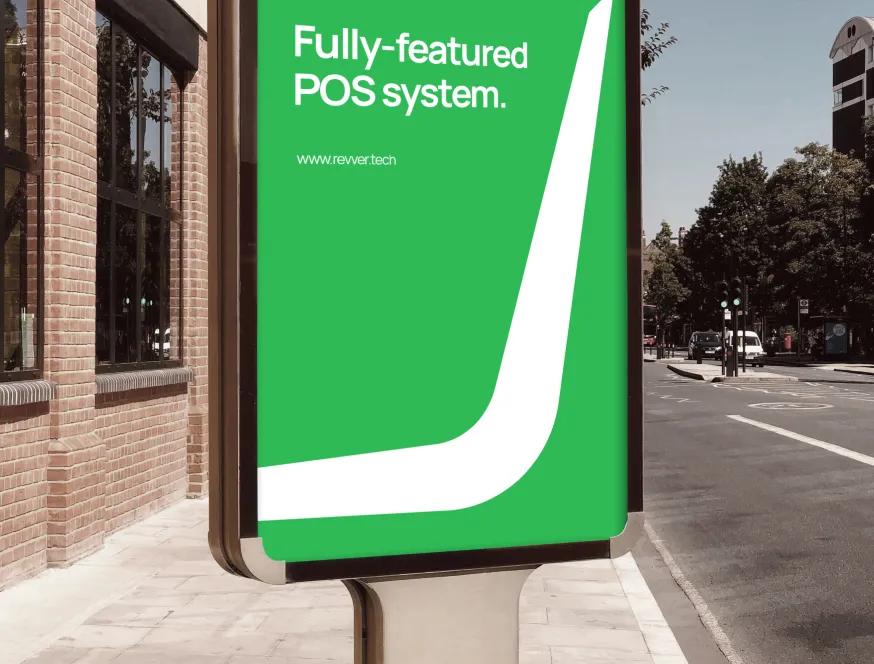
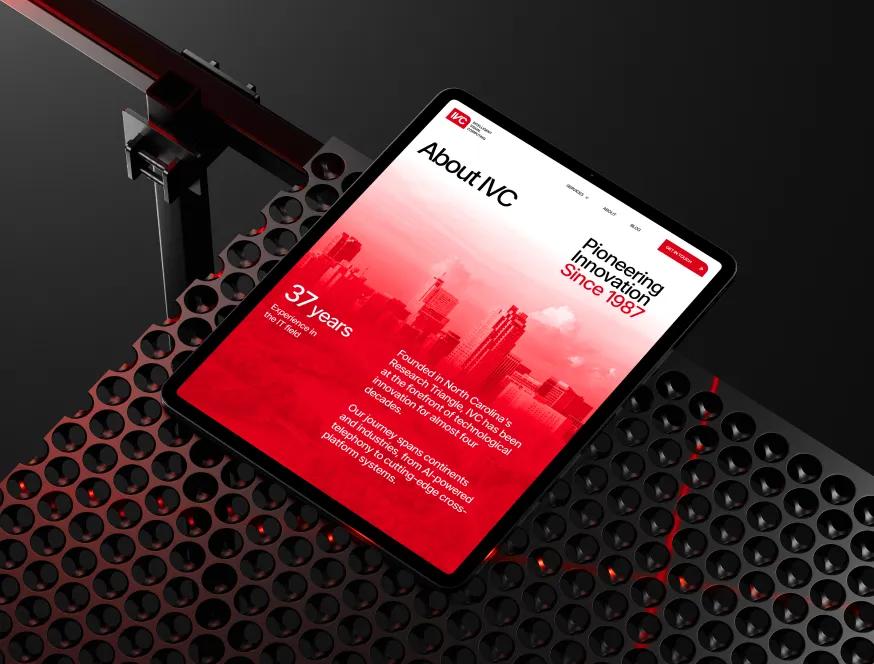
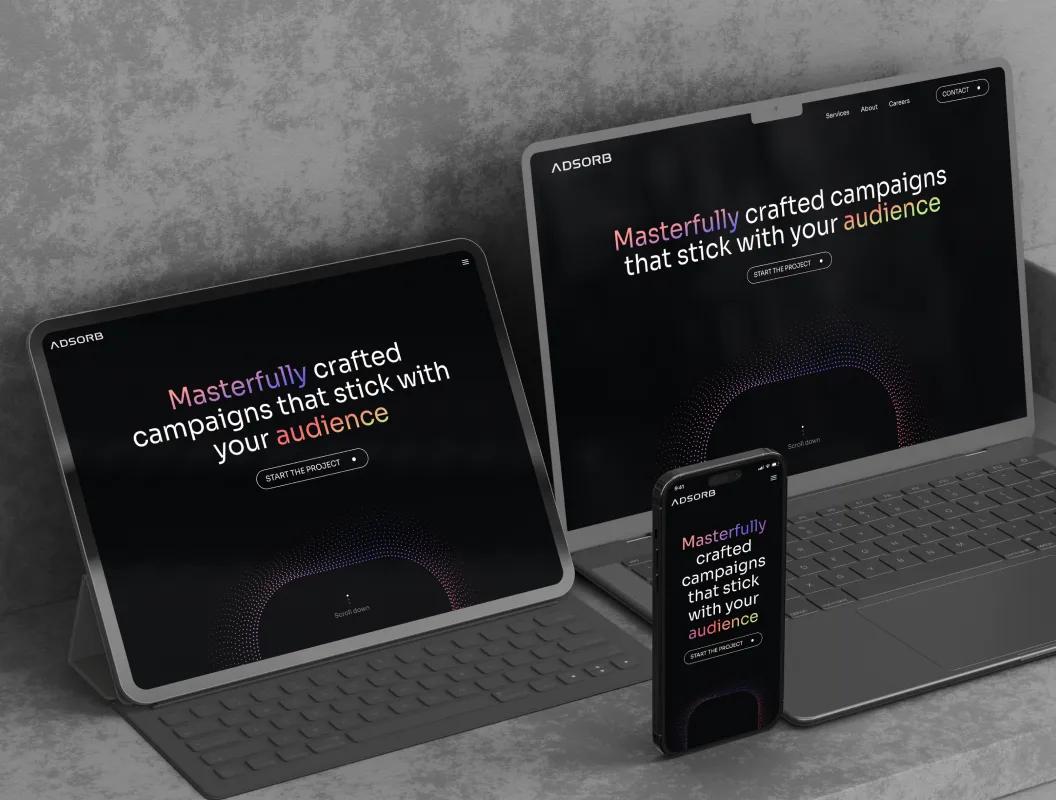
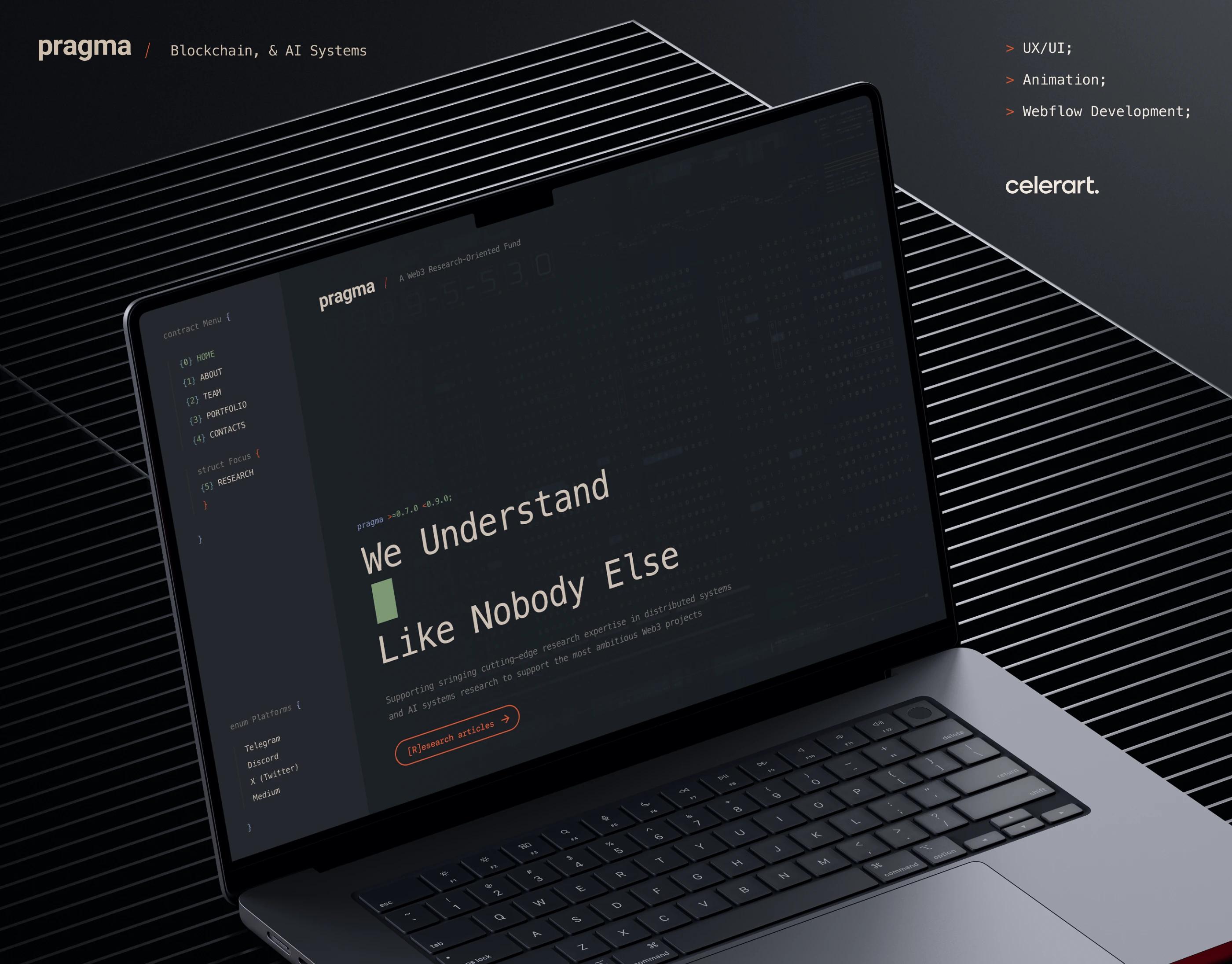
Designs Worth Remembering
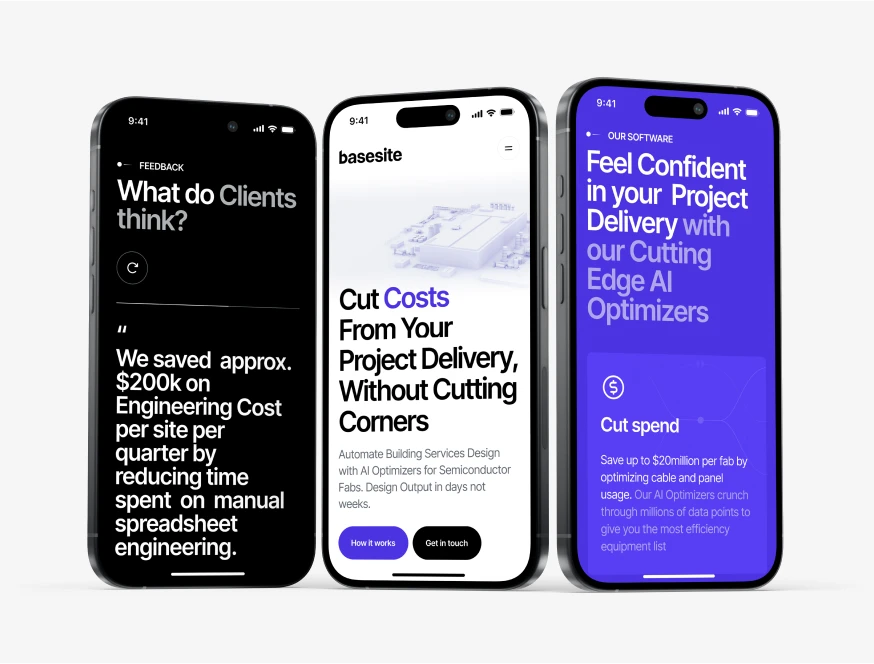
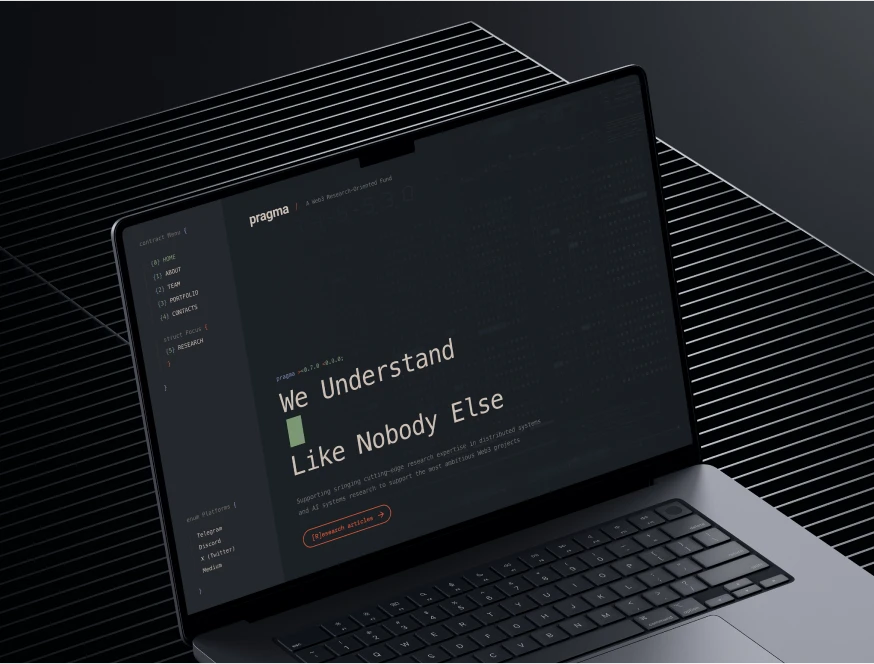
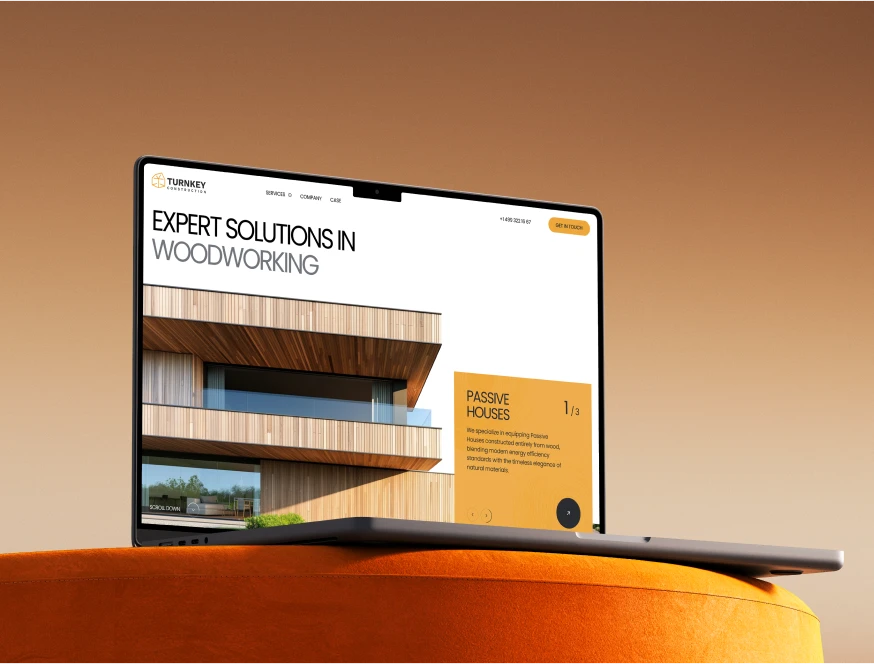
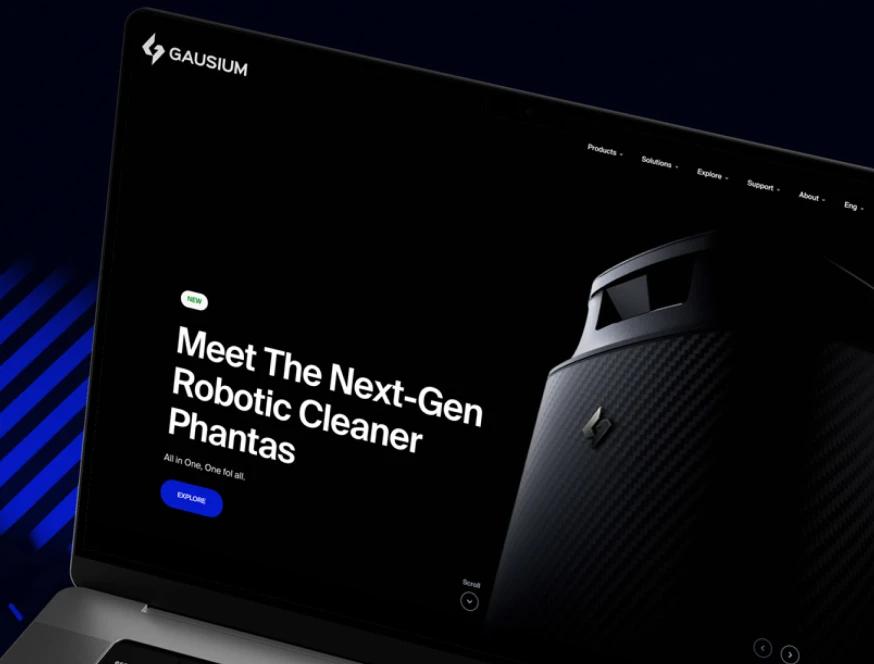
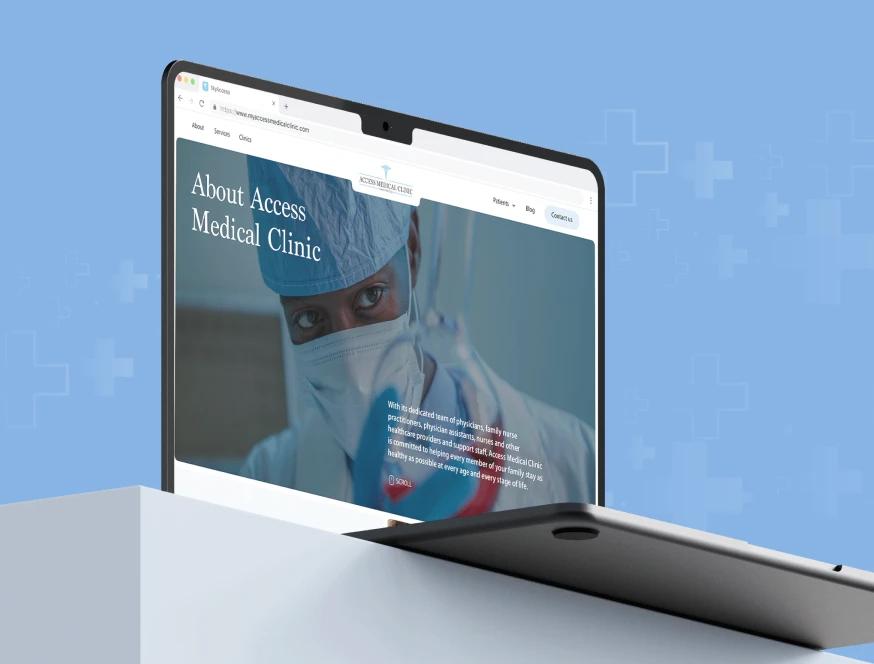
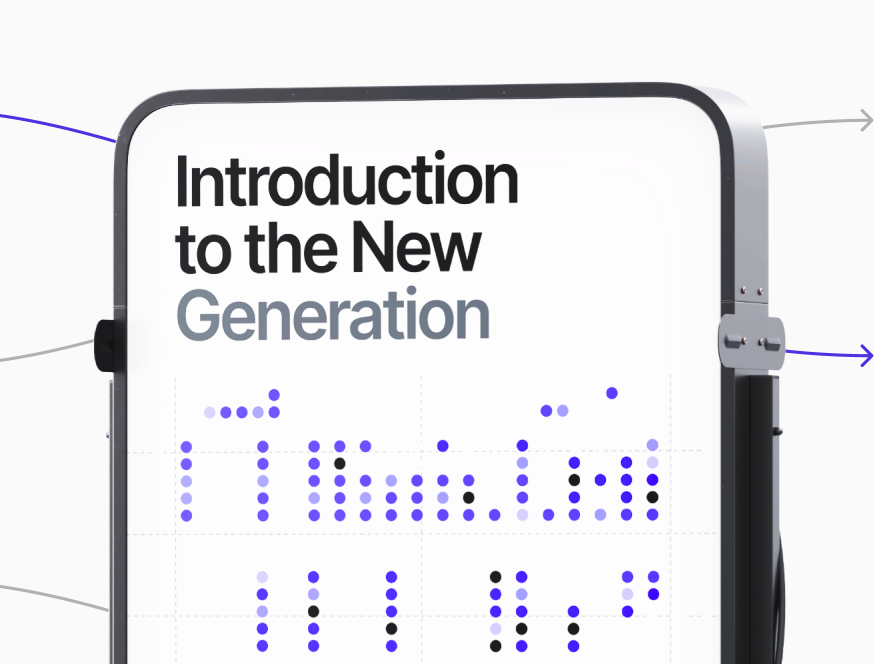
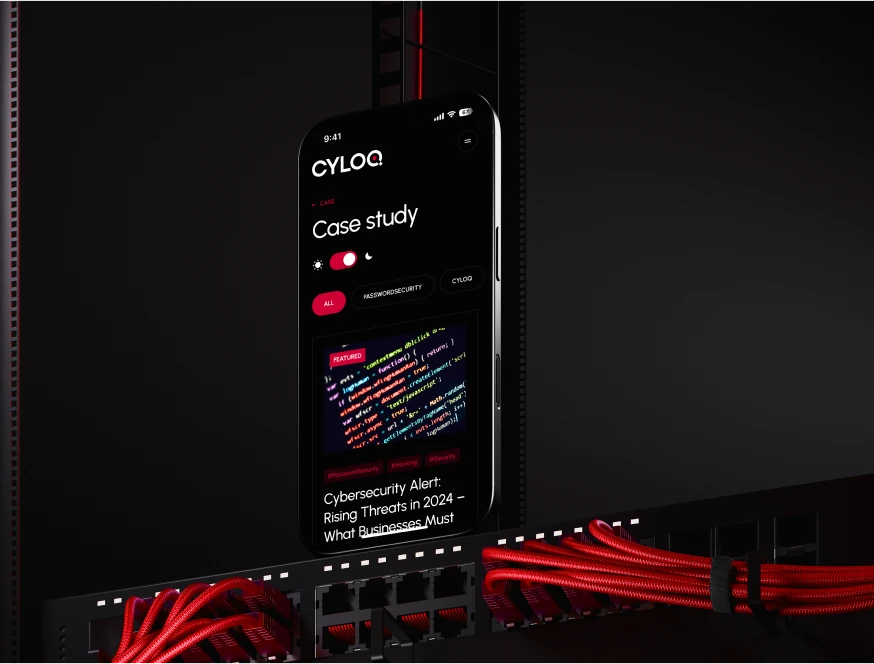
A curated mix of visuals that speak louder than words — bold, refined, and uniquely crafted.








How a Webflow Development Agency Actually Earns Its Retainer
Hiring an agency should reduce your operational load, not add to it. Three commitments we make on every engagement, regardless of size.
Discovery scoped to fit the engagement
A 4-week engagement gets a 2-day discovery. A 6-month build gets a 1-week one. We don't sell discovery for its own sake; we scope it to the decisions that actually need to be made before code starts. One client's $4K discovery saved them roughly $40K by surfacing a CMS architecture problem before week one. Discovery is a tool, not a deliverable.
Producer-led project management
Every engagement has a single producer who owns timeline, scope, and communication. You talk to one person who knows everything about your project, not three Slack channels and a rotating cast. The producer runs weekly check-ins, maintains the scope log, and is the person who tells you when something's slipping — usually a week before it would actually slip.
Senior bench, no juniors learning on your project
Every Webflow developer we put on a project has shipped at least 30 production sites. We're not training juniors on client work — that happens internally on internal projects. Result: the work ships faster, the patterns hold up, and the QA pass finds 5–8 issues per project instead of the 30+ we usually see when reviewing junior-built sites.
Documentation handoff as a deliverable, not a courtesy
Every project ends with a Notion handoff doc — class system reference, CMS schema documentation, interaction inventory, editor workflows, third-party integration credentials and renewal dates. If we got hit by a bus tomorrow, your team or another agency could pick up the site without archaeology. This costs us 2–3 days at the end of every project. We've never regretted shipping it.
Meet the Team Behind the Work
Our team brings together specialists from different creative and technical fields — from Webflow developers to creative directors.
Each of us contributes our own perspective, skills, and dedication to deliver thoughtful, high-quality digital solutions for our clients around the world.
Where Most Webflow Development Services Fall Short
We've inherited enough sites from other Webflow development services to recognize the failure modes. Each one carries a measurable annual cost the original engagement never warned about.
Discounted day-rate engagements with junior delivery
The pitch deck shows senior portfolios; the project gets staffed with juniors using your build to learn Webflow. Output looks fine at 70% zoom; QA reveals 40+ issues; six months later the class system is ungovernable and a CMS migration becomes "easier to rebuild than to fix." We've taken on remediation work where the original $18K build needed $35K of fixes to be production-stable. The cost beyond the rebuild bill: 3–6 months of marketing teams unable to ship reliably while the site is in remediation, and a brand-perception hit users articulate as "the site feels broken."
No producer, no scope, perpetual feature creep
The agency runs on a single Slack channel, no scope document, no change-request log. Every "quick request" gets absorbed into the next sprint. Six weeks in, the team is 4 weeks behind on the original scope and 12 work items deep into ad-hoc additions. The build slips, the team burns out, and the relationship ends with mutual frustration. Producer-less engagements typically run 40–60% over original timeline, and the post-mortem reveals 30–40% of work shipped wasn't in the original SOW. The cost: trust, money, and 2–3 months of opportunity cost on the marketing roadmap.
Launch-and-vanish with no handoff documentation
Site ships. Agency disappears. Six months later, your team needs to add a new collection field, but nobody knows the class naming convention. The interaction layer breaks because someone renamed a class. Marketing wants a new section but can't find the component. The agency is now charging $250/hour for support tickets that should have been a 5-minute team task. We've audited sites where the year-two support spend equaled the original build budget. The cost of zero handoff: agency lock-in, support spend that compounds, and a team that resents the platform rather than the agency that abandoned them.

Other Services We Offer
We also handle full brand identity, custom web design, and ongoing Webflow maintenance — see how the rest of our work fits together.

How to Choose a Webflow Development Agency Without Getting Burned
Webflow development agency selection is harder than it should be because the deliverables look similar across price points until you know where to look. A few signals separate teams that ship sites that hold up from teams that ship sites that need to be rebuilt within a year.
- Ask for a class-system sample, not a portfolio screenshot. Every Webflow agency has nice screenshots. Few will show you the Style Manager from a recent project. If the class system is sprawling, unnamed, or full of
div-block-117, you know exactly what you're hiring. Senior teams ship Client-First or Lumos consistently and will show it. - Ask who staffs the project, by name and by seniority. Cheap engagements get staffed with juniors. Verify before signing. Ask which developer is the lead, how many production Webflow sites they've shipped, and whether they'll be on the project for the full duration or rotating off after week two.
- Ask for the SOW's performance commitment. Does the contract include a Lighthouse mobile target? A Core Web Vitals threshold? An accessibility WCAG level? Vague phrasing like "performant and accessible" is a red flag. Specific numbers — "Lighthouse mobile 85+, INP under 200 ms on Pixel 4a" — separate teams that mean it from teams that hope it.
- Ask what the handoff package looks like. A documentation pass at the end of the project is the difference between a site your team can edit confidently and one they have to call the agency to touch. If the answer is "we'll send a Loom video," renegotiate.
Webflow development services across the market range from $5K plugin-and-pray engagements to $300K embedded-team retainers. The middle band — $25K to $90K for a marketing site of 8–20 pages with custom interactions and CMS — is where most production-quality work happens. Cheaper than that usually means you're paying for the rebuild later. More expensive than that usually means you're paying for the agency's overhead, not your project.
When this isn't the right fit: if you're a 5-person team with a 5-page marketing site and a $3K budget, you don't need a Webflow development agency — you need a confident freelancer or a Webflow expert from the platform's marketplace. If your needs go beyond what Webflow can host — auth, complex search, real-time data, multi-tenant — pair the marketing surface with a Next.js app and don't force Webflow into roles it isn't built for. We'll tell you that on the discovery call.