
Startup Branding Package
An end-to-end startup branding package built around early-stage constraints — fixed scope, fixed price, fixed four-week timeline. We move from positioning to launched identity in 28 days, with the asset coverage seed and Series A teams actually need across pitch, product, and hiring surfaces.
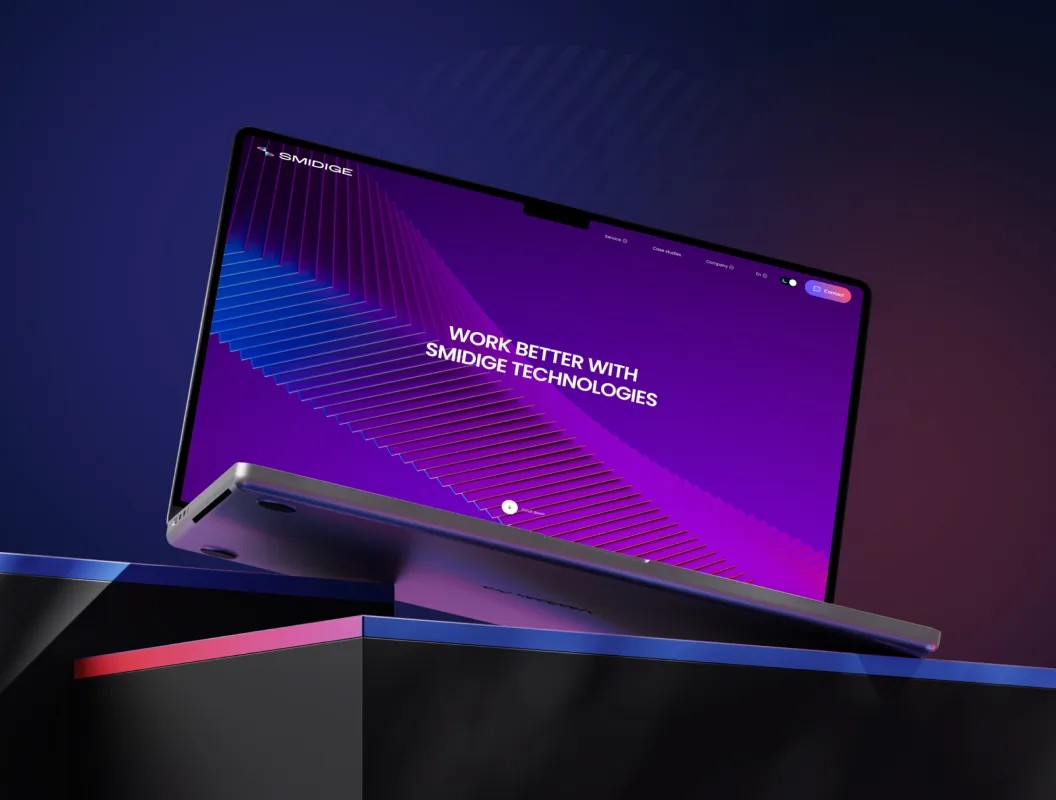
Early-Stage Branding for Pre-Seed and Seed Teams
Most startup branding either skips strategy or overbuilds the deliverable. This package does neither. We start with a one-week positioning sprint, design the system in week two, build the asset library in week three, and ship the rollout in week four — predictable, every time. Built around the cadence of a real round-cycle, not the agency's preferred process length.
- 01
One-week positioning sprint covering audience, value prop, and competitive set
- 02
Logo system — primary mark, simplified mark, and submarks for product use
- 03
Color palette, type pairing, and a small icon set built for product UI
- 04
Pitch deck template, social profile pack, and one-page brand essentials
- 05
Website hero direction with annotated mocks for engineering handoff
- 06
Editable Figma library plus exported SVG, PNG, and print-ready PDF assets
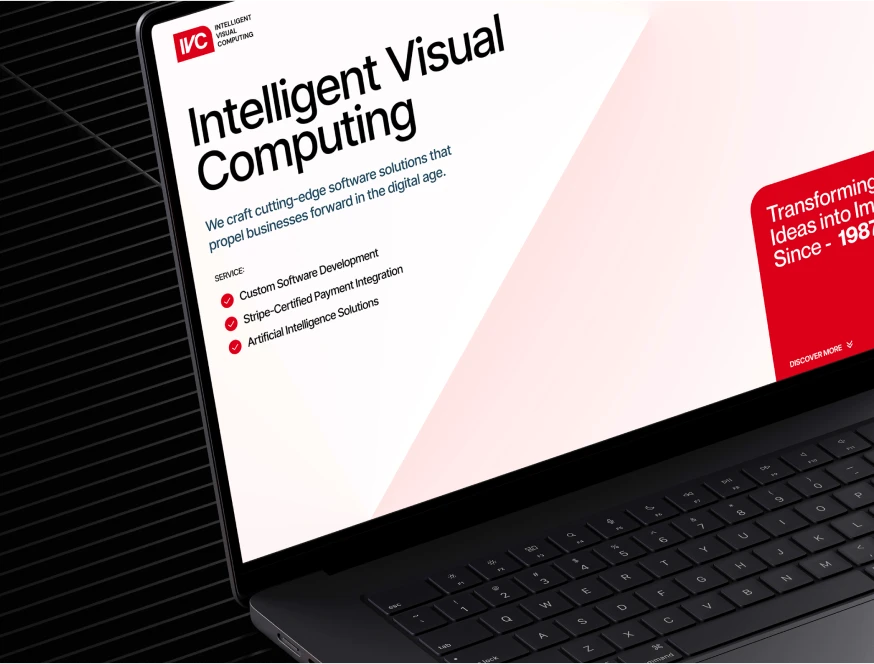
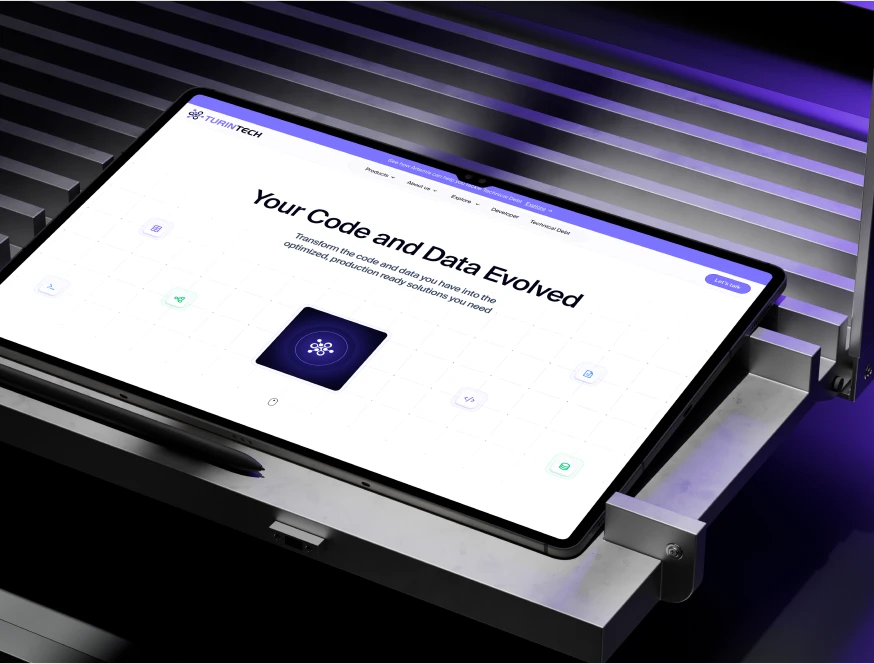
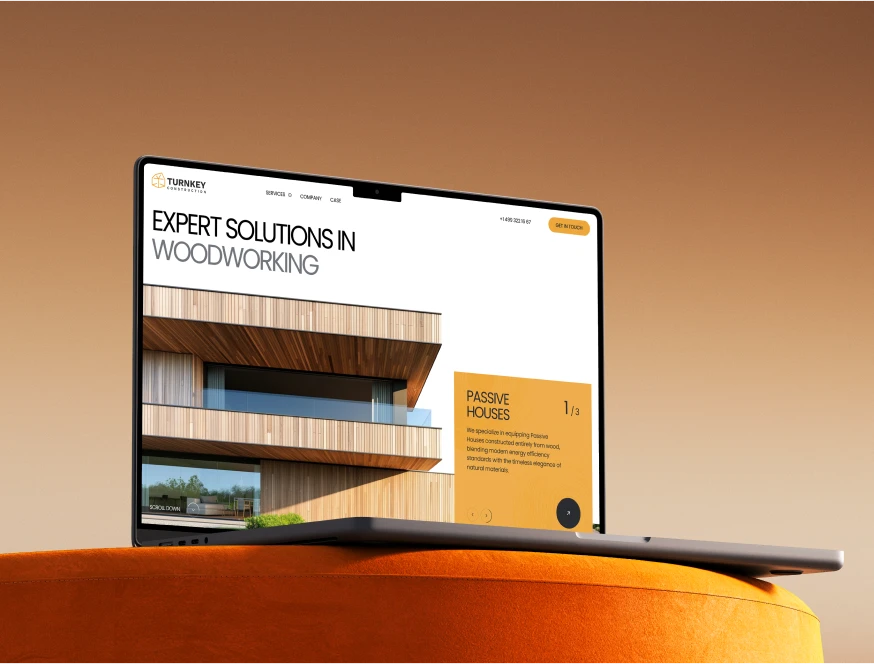
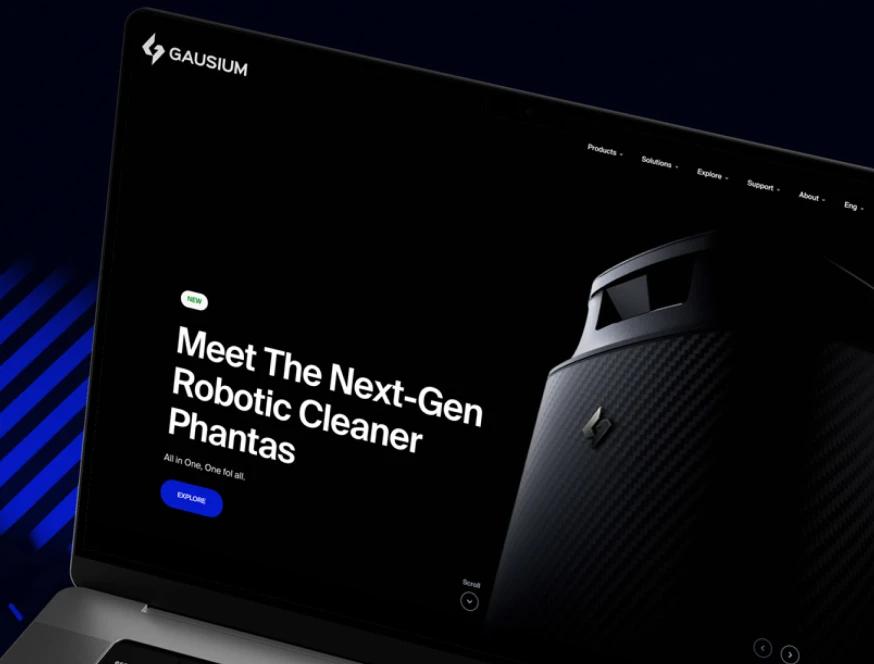
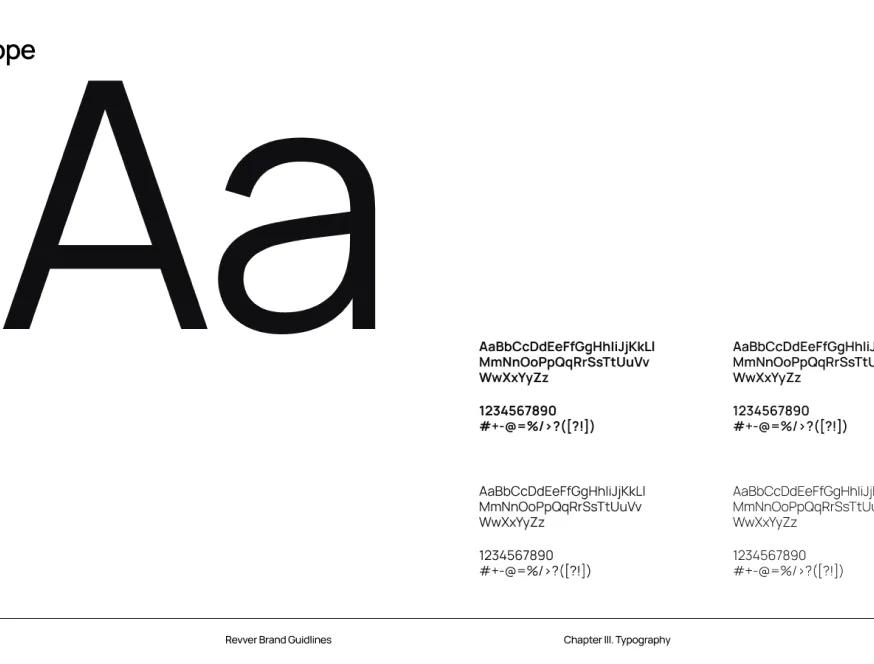
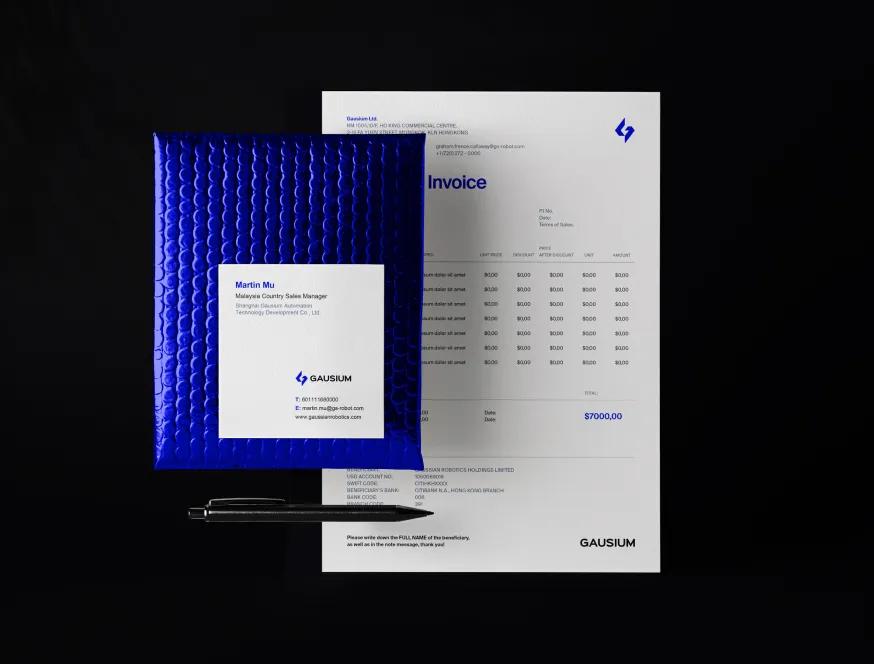
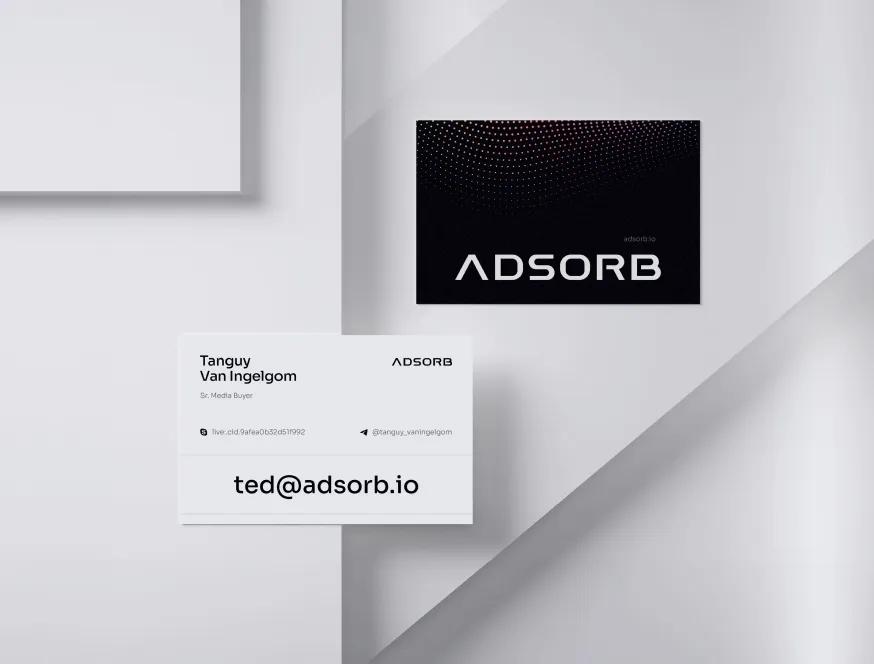
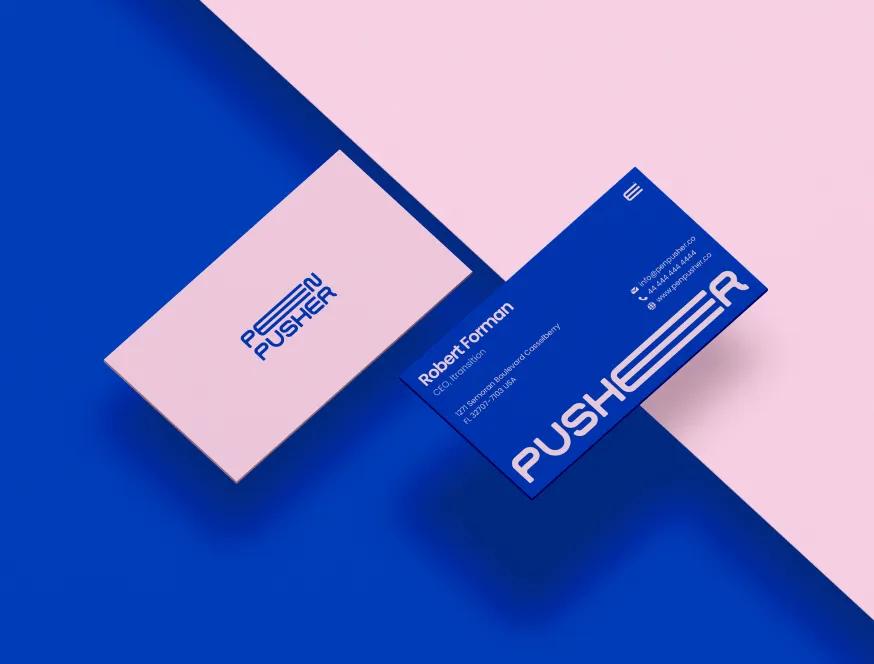
Designs Worth Remembering
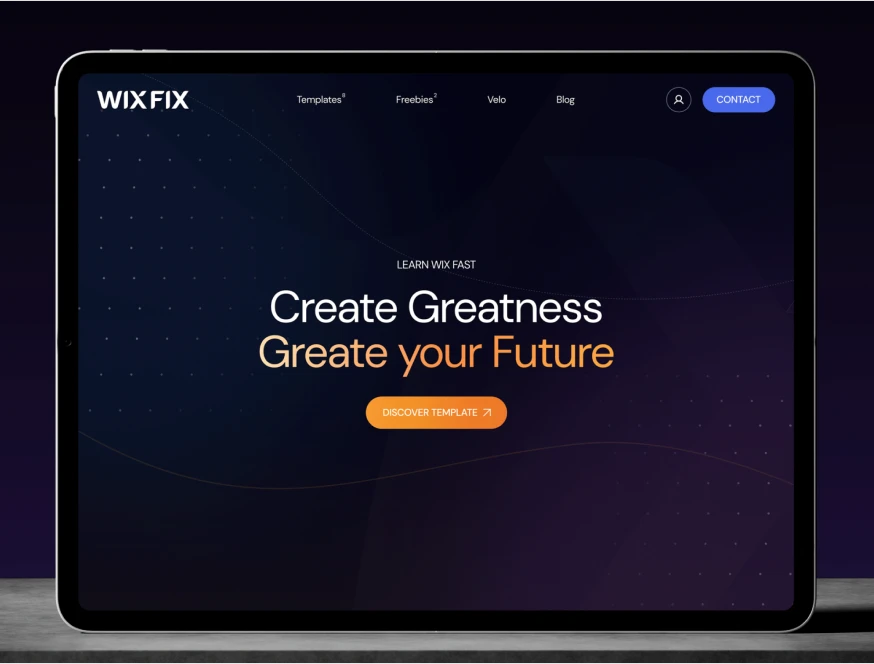
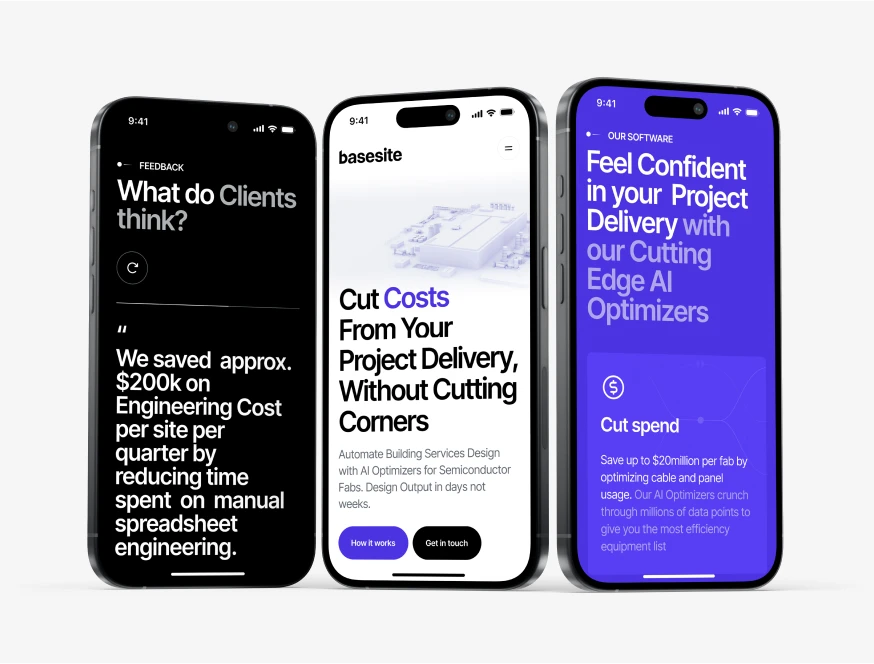
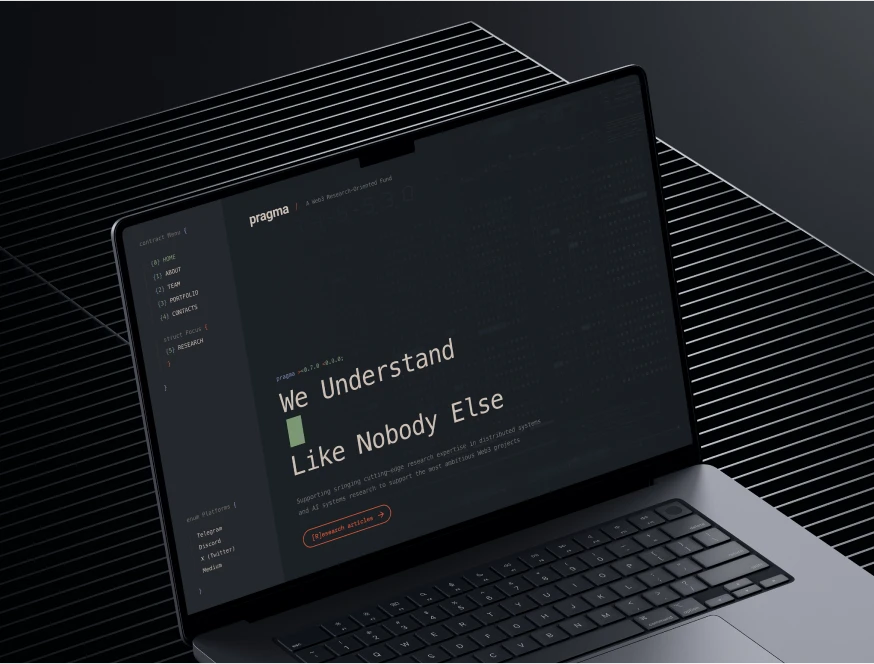
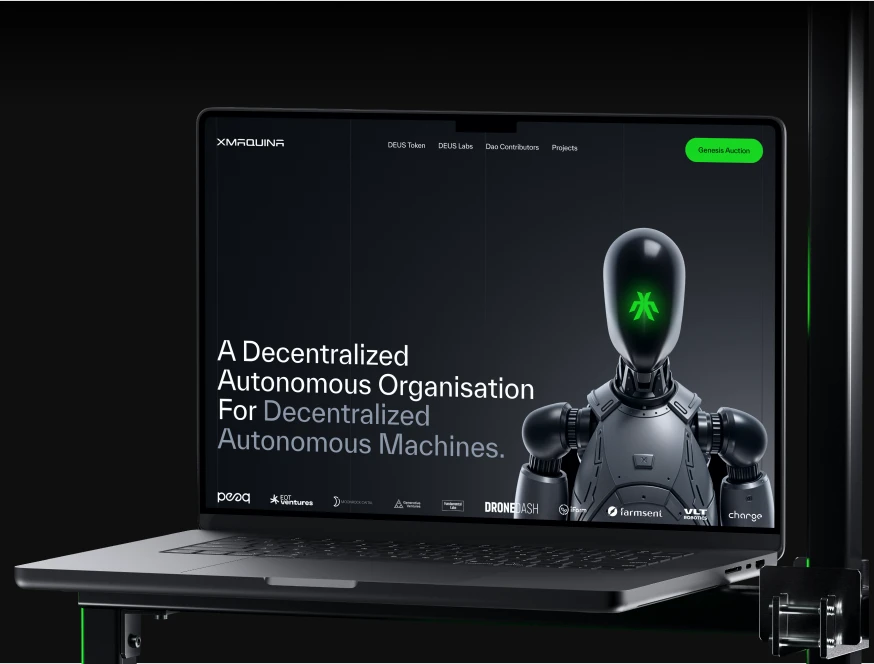
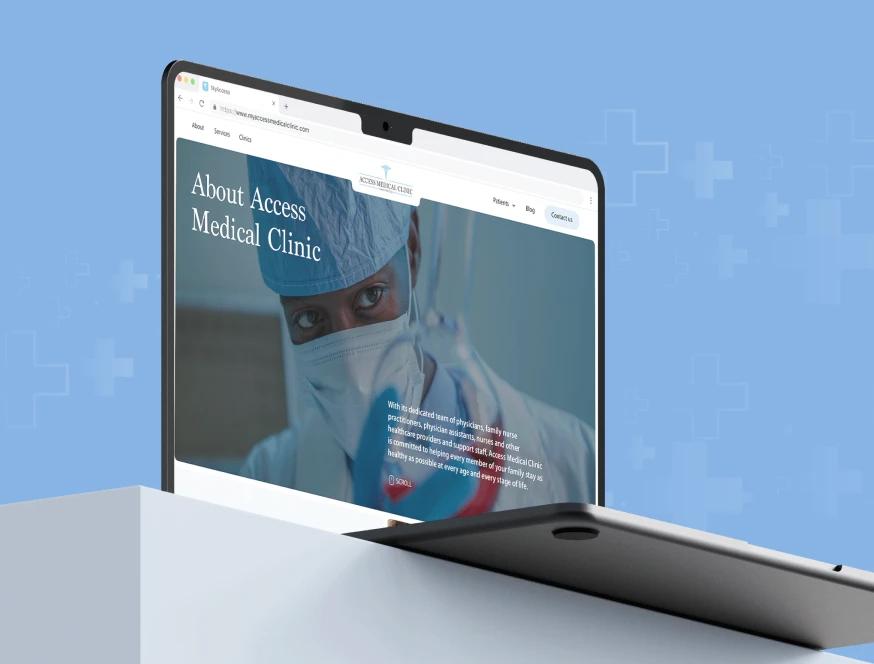
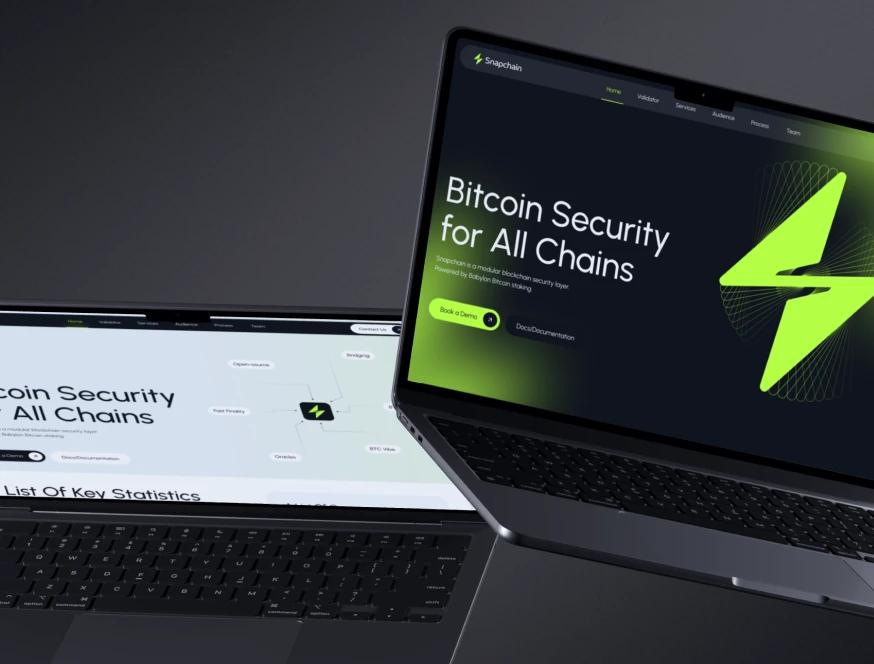
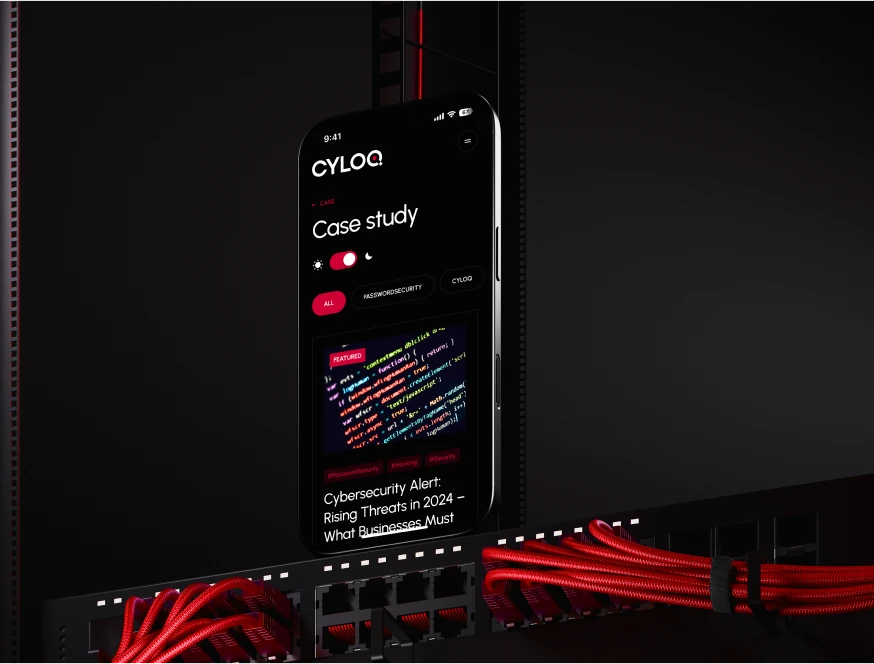
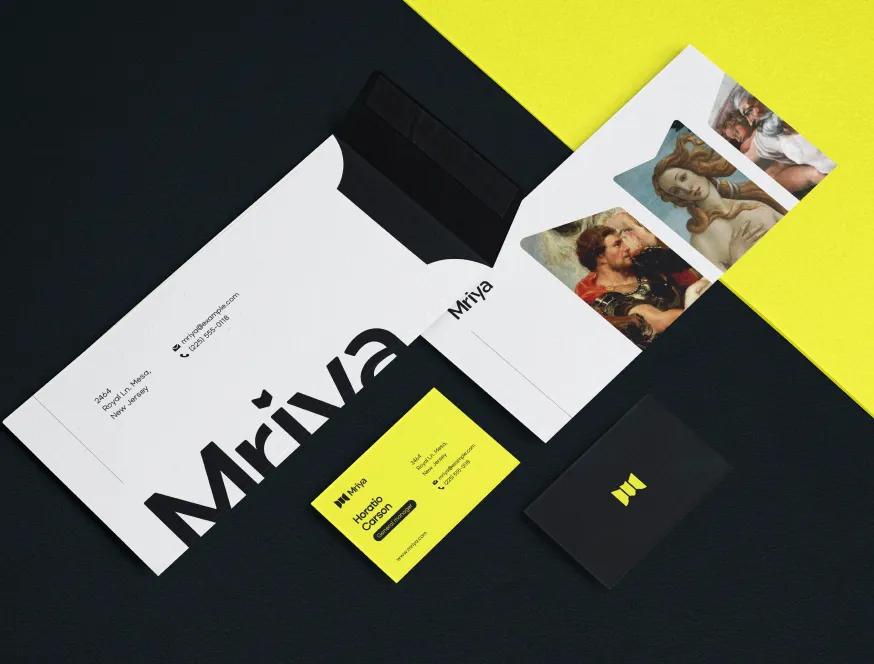
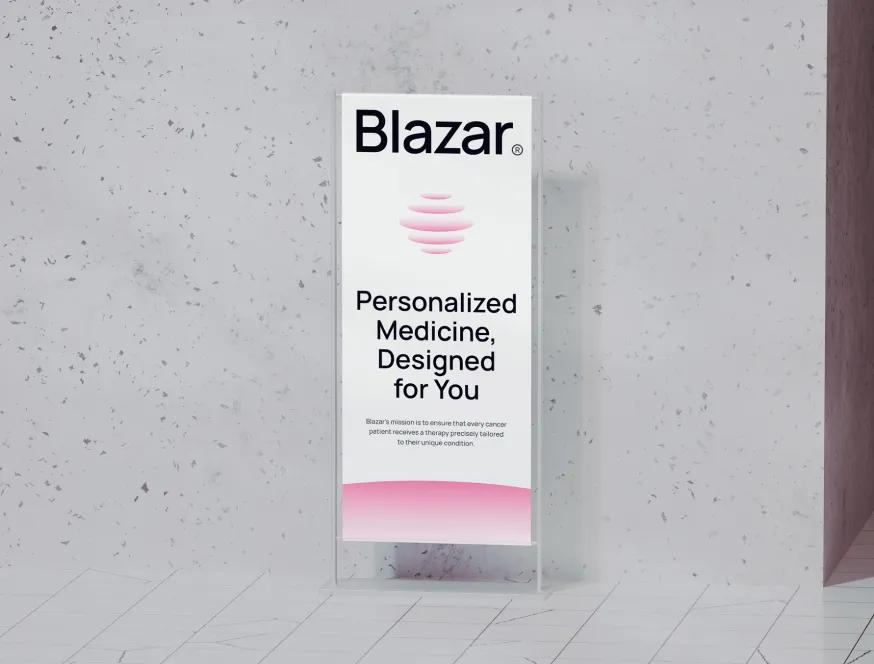
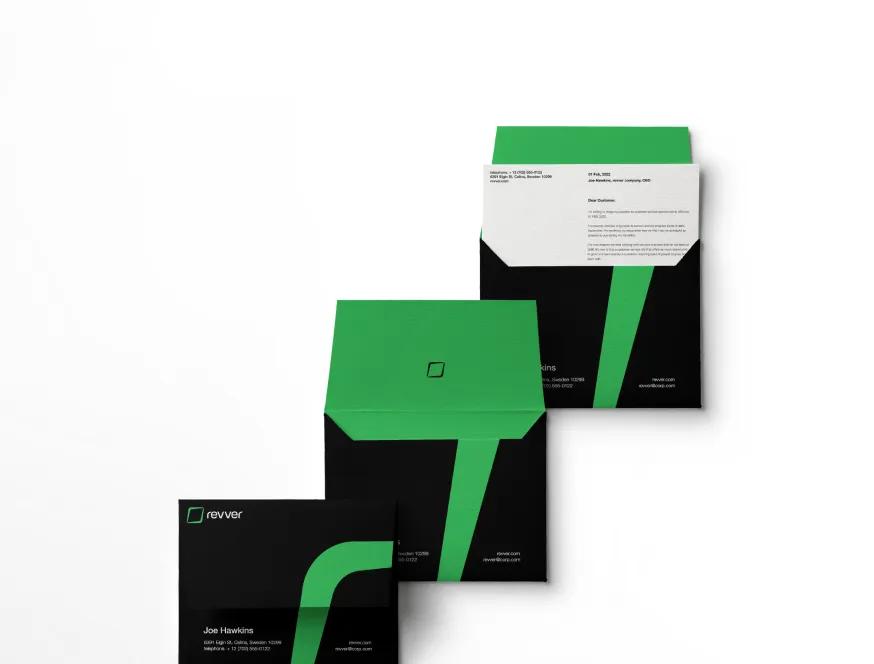
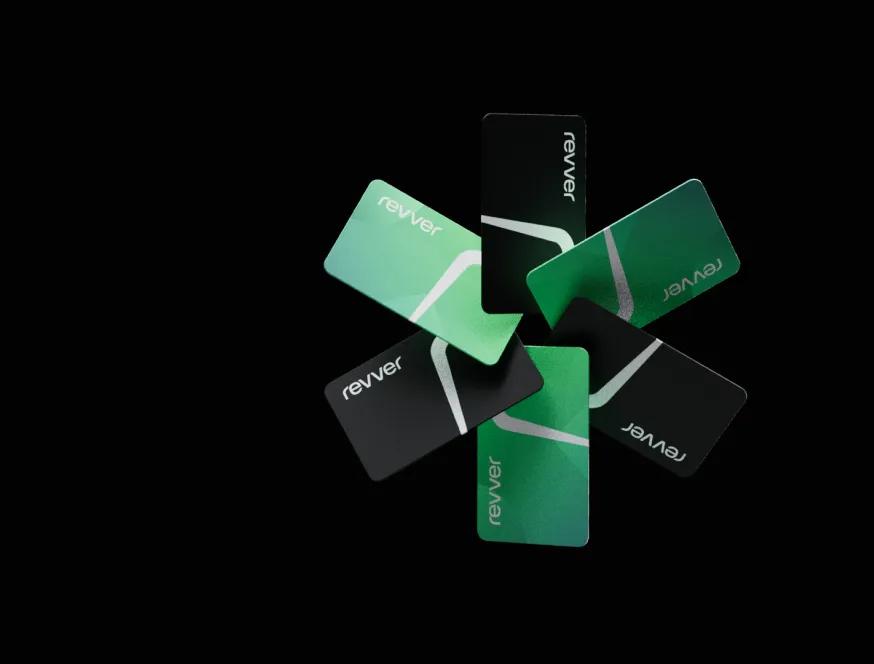
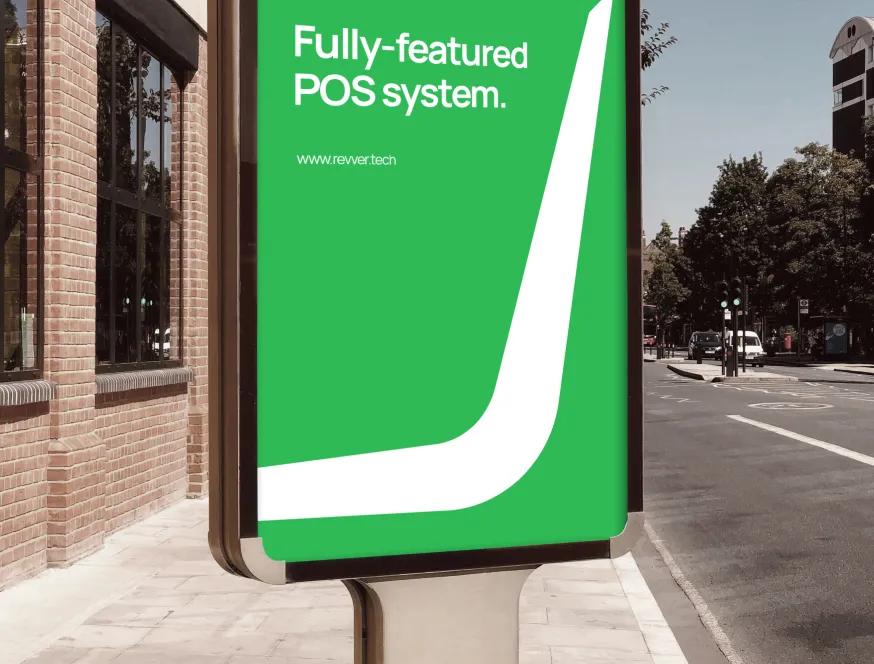
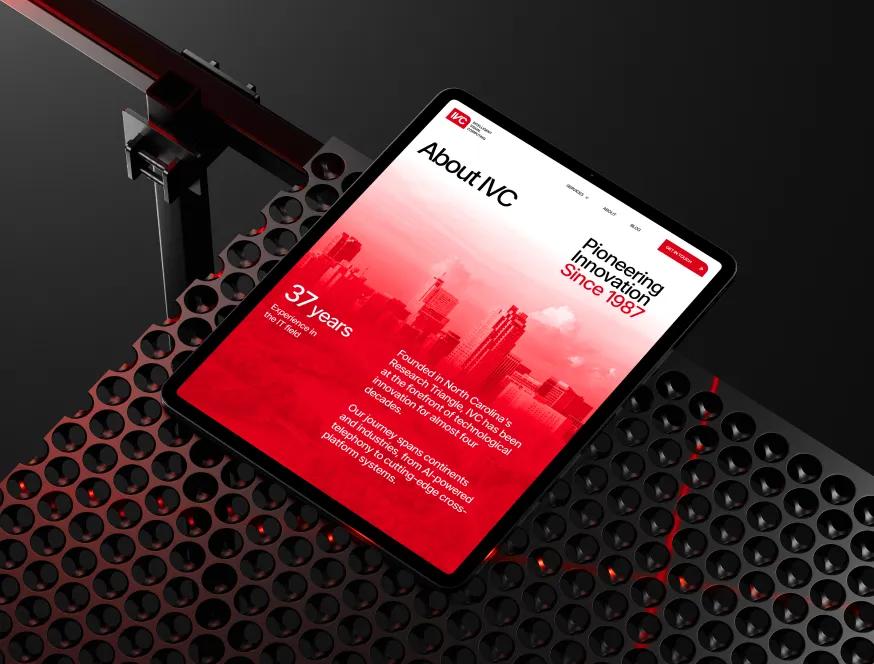
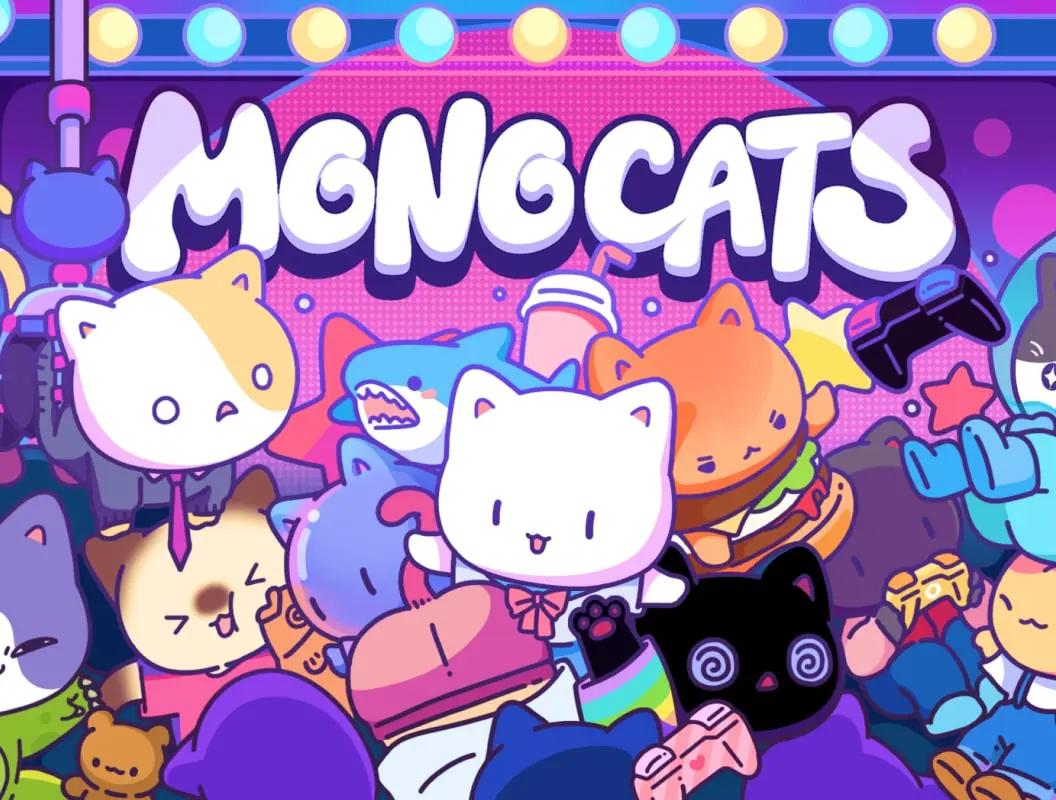
A curated mix of visuals that speak louder than words — bold, refined, and uniquely crafted.


How We Run a 28-Day Startup Branding Package
Four weeks, four named milestones, one decision-maker per phase. Built specifically for the round-cycle rhythm — fundable in week one, demonstrable to investors by end of week three, launchable to the public by end of week four. We've shipped this thirty-plus times.
Week 1: positioning sprint with the founding team
One 90-minute kickoff plus three 30-minute follow-ups across the week. By Friday: a one-page positioning document covering audience (who specifically), value prop (what shifts for them), and the three nearest competitive references. One AI-tooling startup walked into the sprint with five candidate audiences and walked out with one — series-funded engineering managers buying tools their VP didn't have time to evaluate. That sharpening is what makes weeks two through four possible.
Week 2: identity system designed against real surfaces
Logo, palette, type, and a small icon set for product UI — designed as a system, tested on real screens. Your homepage hero. Your pitch deck cover. Your product UI shell. End of week two: a system approved against the surfaces it'll actually appear on, not against an isolated brand presentation. Edits at this stage are cheap; edits in week four after rollout are expensive, so we front-load the decision pressure.
Week 3: asset library for pitch, product, and hiring
The library covers the three surfaces seed-stage teams actually need to populate — investor pitch (deck template, one-pager, email signature), product launch (website hero direction, app icon, in-product brand surfaces), and hiring (LinkedIn page assets, job-post templates, careers-page direction). Built so a non-designer team member can adapt them without breaking the system.
Week 4: launch enablement and engineering handoff
The final week is mostly enablement, not new design. Engineering handoff covers SVG sources, hex/RGB/HSL values, AA contrast results, and the Figma library structure. Marketing handoff covers the launch sequencing — what posts where, in what order, with which assets. We close with a 60-minute training call covering how to extend the system as the team grows past the founders.
Meet the Team Behind the Work
Our team brings together specialists from different creative and technical fields — from Webflow developers to creative directors.
Each of us contributes our own perspective, skills, and dedication to deliver thoughtful, high-quality digital solutions for our clients around the world.
Where Most Startup Branding Wastes the Round
We've worked with seed and Series A teams whose previous branding engagement either delayed their launch or got abandoned. Three patterns repeat, each with measurable cost in burned runway and missed timing.
The 12-week brand engagement that finishes after the launch
is the most expensive misalignment for a seed-stage team. Founder pays $35,000–$60,000, engagement runs into month four, the launch window already closed in month three. Product Hunt launch happens with placeholder visuals. Investor outreach happens with mismatched decks. By the time the brand actually arrives, the GTM moment is gone. One pre-seed AI startup we worked with had this exact pattern at a previous agency — by our calculation it cost them roughly two months of investor warmth and a 40% smaller demo waitlist than they should have had. A 28-day package timed to the launch window prevents this by definition.
Strategy-light branding that breaks at Series A diligence
shows up when an early-stage team takes a $1,500 Fiverr brand to ship fast, then has to rebuild during fundraise diligence because the brand doesn't hold up against investor scrutiny — competitive references unclear, positioning vague, visual coherence weak across pitch and product. The cost: $25,000–$45,000 to redo it under fundraise pressure (worst possible time), plus the diligence-room friction of explaining brand inconsistencies. A package that includes the positioning week eliminates this risk on the front end at a fraction of the rework cost.
Brand built for one surface, breaks on the others
is the founder-led version: the brand looks great on the pitch deck because that's what the founder cared about during design, then falls apart on the product UI and the hiring page. Investors find the deck polished and the product clunky — exactly the wrong signal for a Series A round. We've inherited this pattern multiple times. The cost of fixing it in-flight under fundraise pressure: $18,000–$28,000 of rework plus 6–8 weeks of brand inconsistency in the live product, visible to every investor doing diligence. Designing across pitch, product, and hiring as one system in week three prevents the entire failure mode.

Other Services We Offer
We also offer in-depth brand identity work, web design, and ongoing Webflow support — explore the rest of what we do.
Startup Branding Package: Round-Cycle Math, Asset Coverage
Early-stage branding has three honest constraints that distinguish it from established-company brand work: a real launch window tied to fundraising or product timing, a small team that has to maintain the brand without ongoing agency support, and an asset surface area that spans pitch, product, and hiring rather than the marketing-heavy surfaces of a mature company. The startup branding package is scoped against those three constraints, not against a generic "branding for new businesses" template.
What "startup branding package" actually covers in this engagement:
- A real positioning week, not a 30-minute kickoff. One 90-minute founding-team session plus three follow-ups, ending in a one-page positioning document. We've watched too many seed teams pay agency rates for branding that turned out to be visual work in disguise. Positioning that survives the next round of fundraising diligence is the foundation everything else sits on.
- Identity built against pitch, product, and hiring surfaces simultaneously. Most agency work designs for marketing surfaces and breaks elsewhere. We test the system in week two against your homepage hero, your pitch deck cover, your product UI shell, and your LinkedIn company page — the surfaces a seed-stage team actually populates first.
- An icon set sized for product UI. Not an extensive illustration system, not a full graphics library — a small set of 12–18 icons that cover your initial product UI needs and extend cleanly. Most starter packages skip this; product-led startups need it.
- Engineering handoff that respects your stack. SVG source paths, hex/RGB/HSL values, AA contrast results, and Figma library structure documented for direct ingest into Tailwind config, Chakra theme, or whichever component system you're using. Your engineers ship without a follow-up call.
Pricing sits at $14,000–$22,000 for the four-week engagement depending on the icon set scope and whether you need a careers landing page direction included. That's positioned deliberately between the leaner Brand Starter Pack at $4,500–$8,000 (no positioning week, lighter asset coverage) and a full Brand Identity engagement at $45,000+. Most pre-seed teams take the $14,000 base; Series A teams typically take the $18,000–$22,000 tier.
When this isn't the right fit: if you have no funding and need the absolute minimum to launch this quarter, the Brand Starter Pack is the leaner entry point. If you have an existing brand and just need it modernized, Brand Refresh in 2 Weeks is the right scope. If you're well past Series A and need the deeper strategic exploration that a 28-day timeline can't accommodate, look at our full Brand Identity service. If your business is highly regulated (med-tech, fintech with specific compliance signaling) and you need brand work that codes to those signals deeply, an embedded specialist agency in your category will serve you better than a generalist branding package.