
Small Business Brand Kit Built to Ship
A brand starter pack is what you actually need at month one — not a 90-page book, not a quarter-long discovery, not seven logo concepts to choose from. We deliver the minimum viable identity that holds up across a landing page, a pitch deck, and a hiring post. Two to three weeks, predictable scope, source files you own. No ongoing dependency on the agency to make a tweak later.
- 01
Primary wordmark plus a simplified mark sized for favicons and avatars
- 02
Five-color palette — primary, secondary, three functional UI tones, all AA-tested
- 03
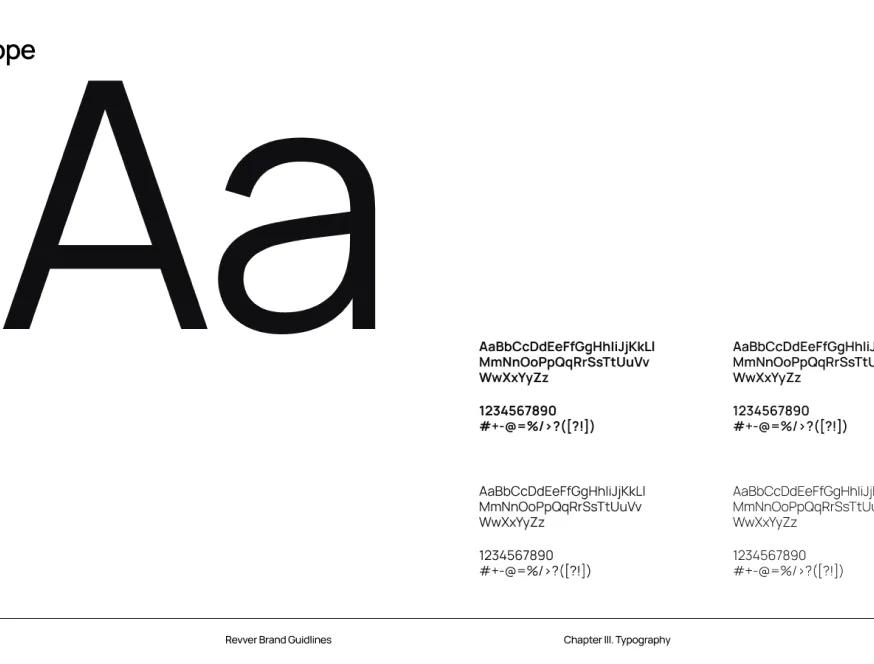
Type pairing — display for headlines, sans for body, with web-font links
- 04
One-page brand sheet covering safe zone, hex codes, and what not to do
- 05
Pitch deck template — cover, section break, content, and Q&A slides
- 06
Source files in Figma plus exported SVG, PNG, and print-ready PDF assets
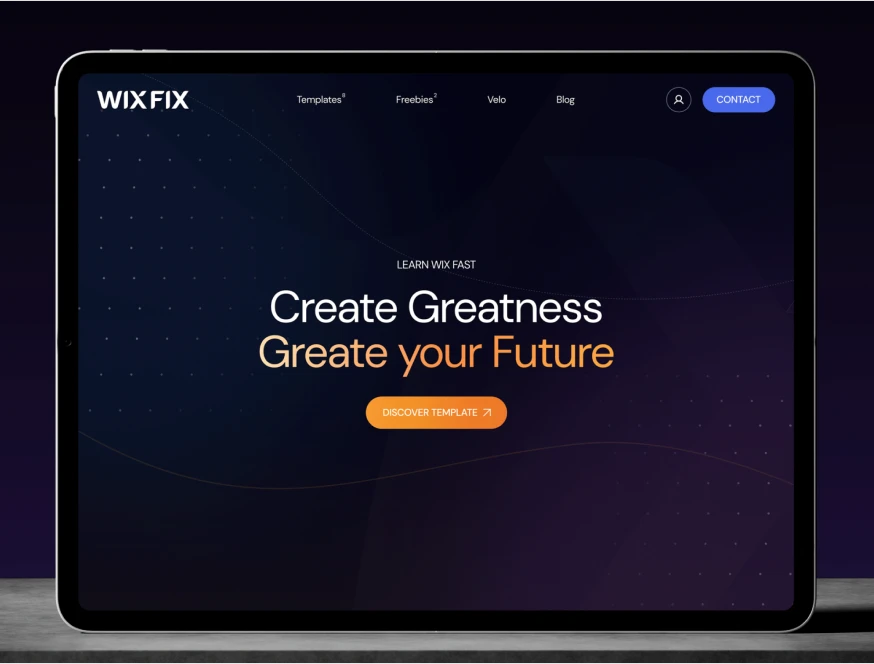
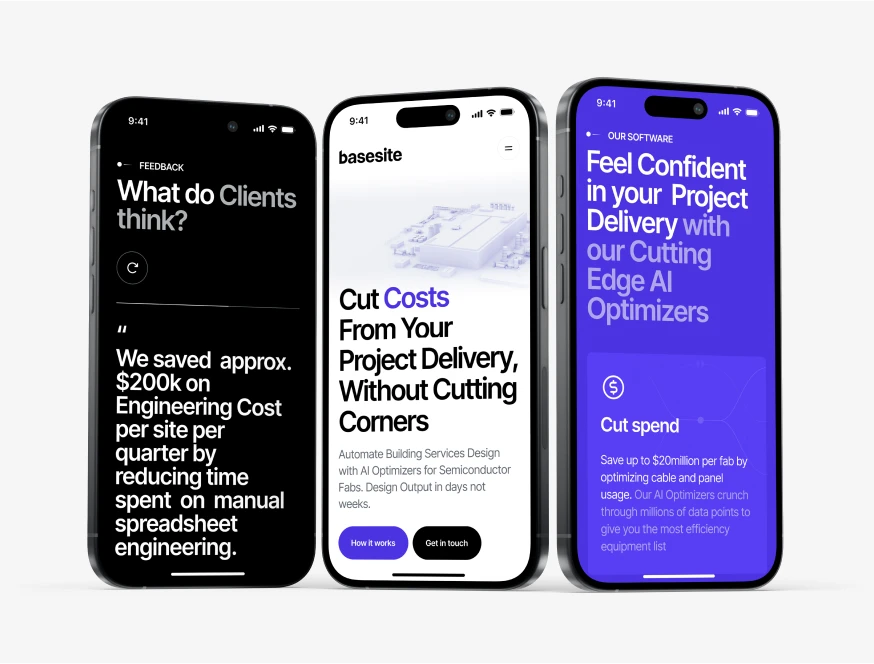
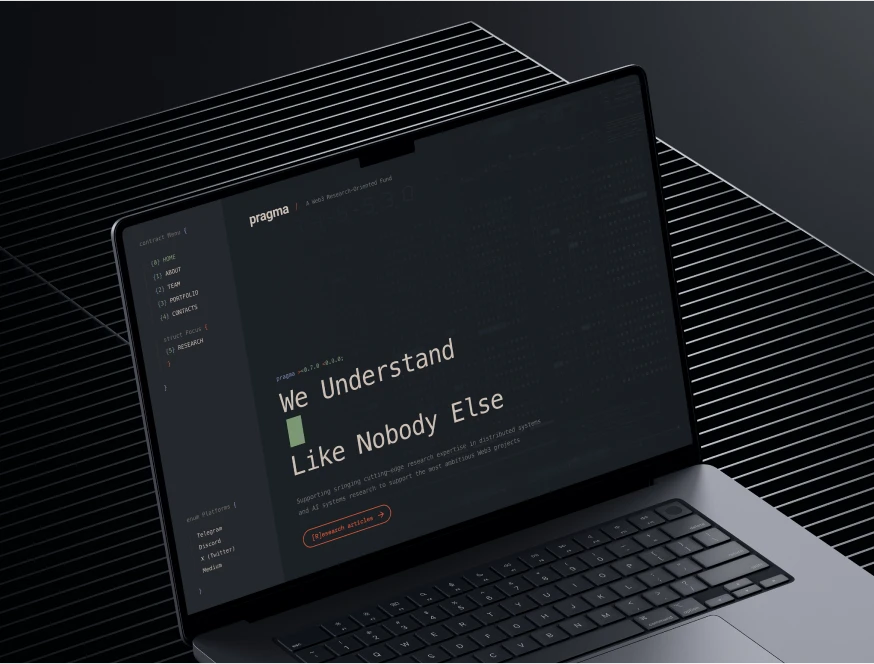
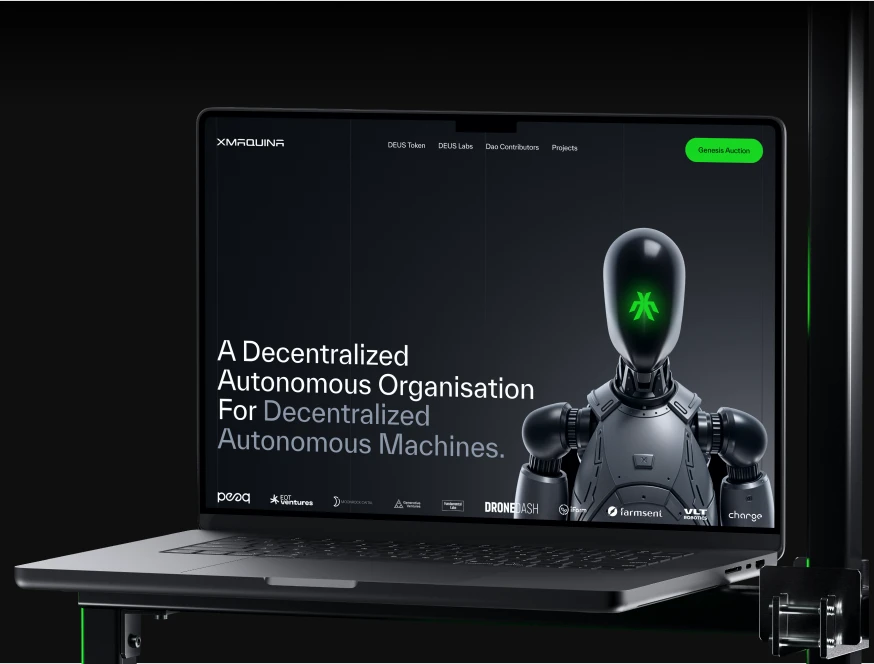
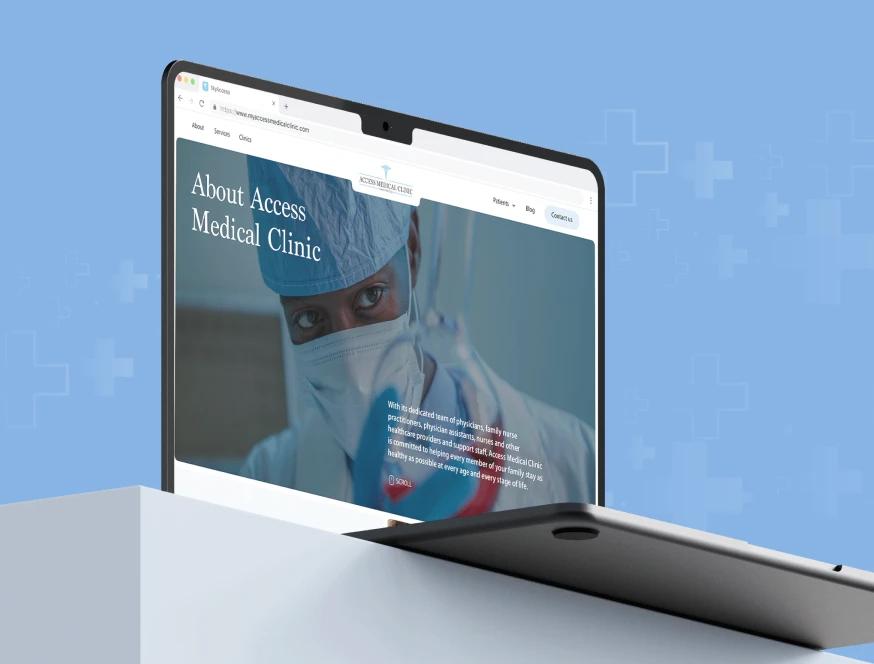
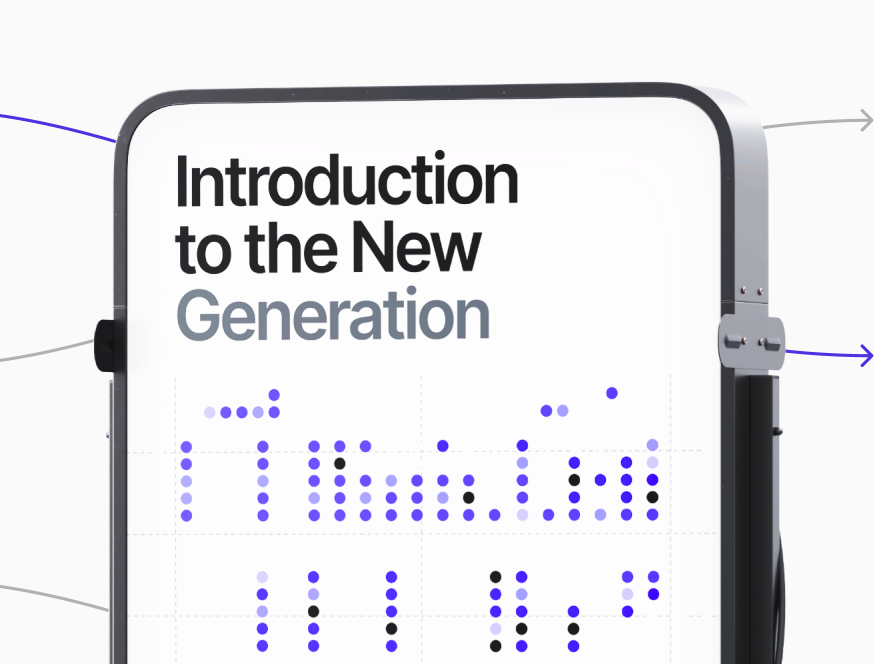
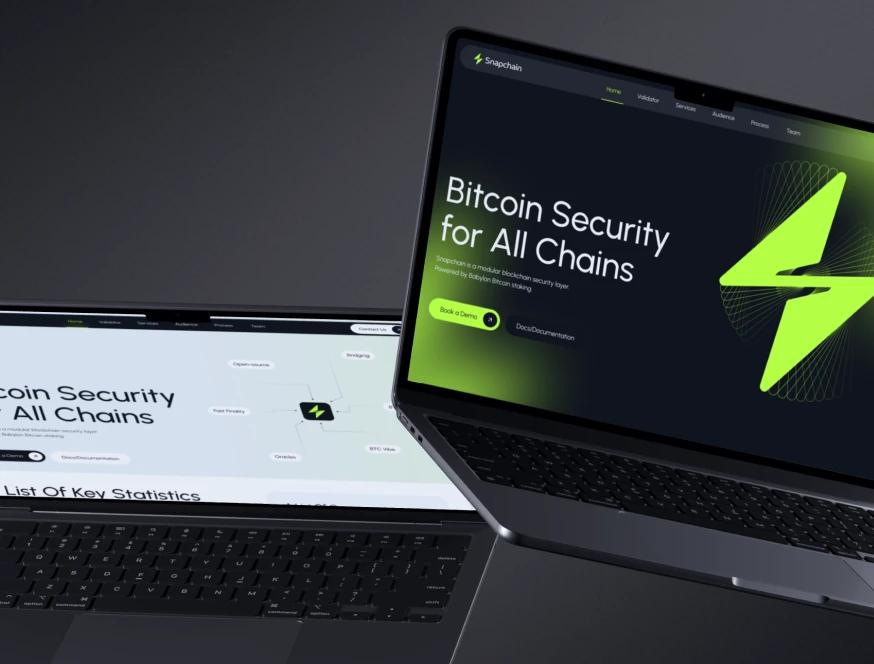
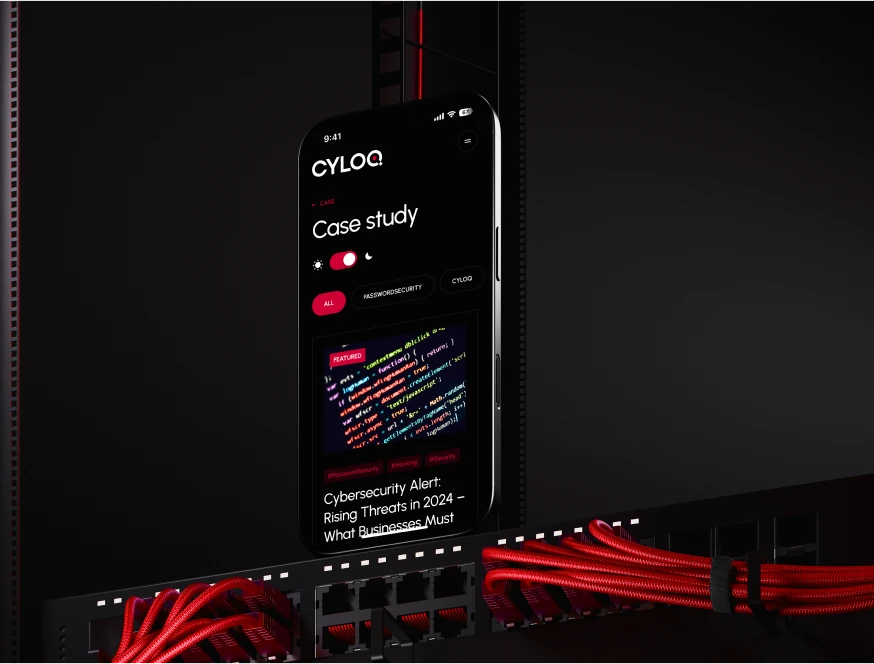
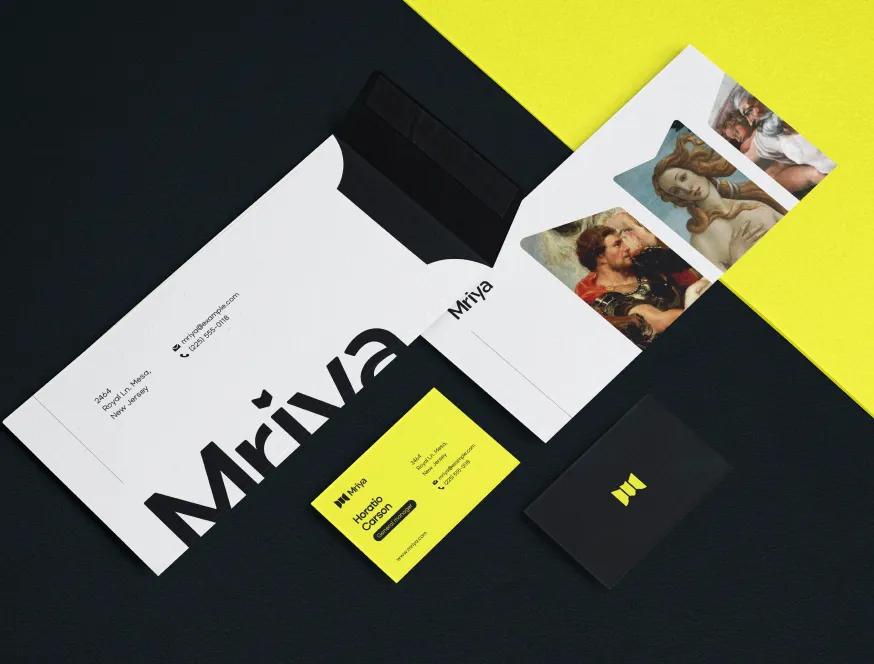
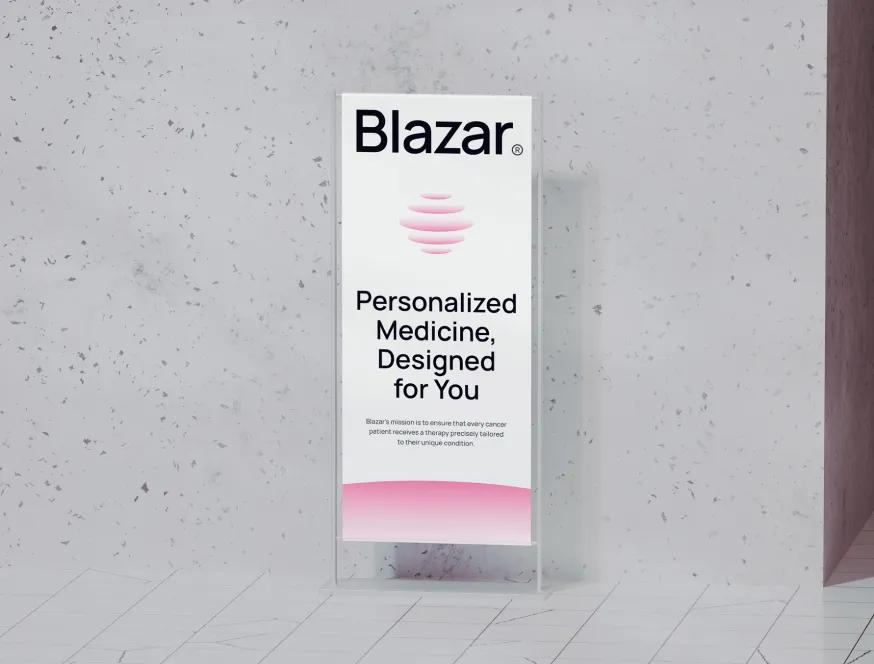
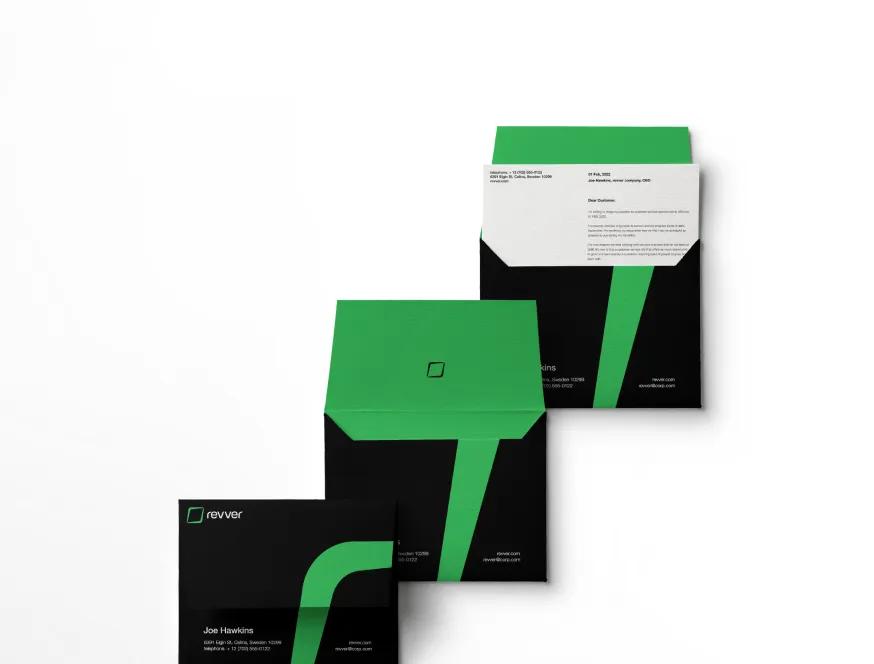
Designs Worth Remembering
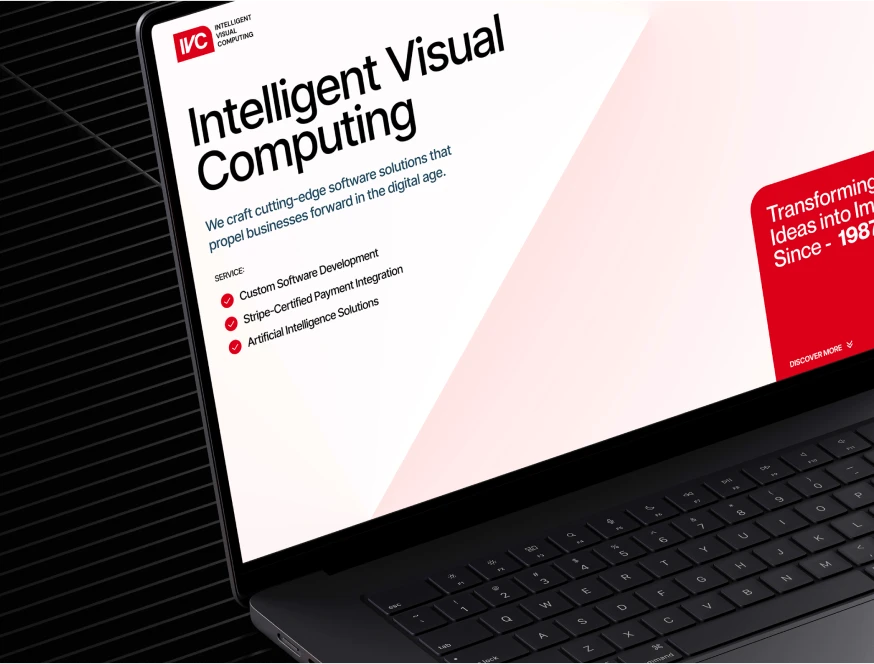
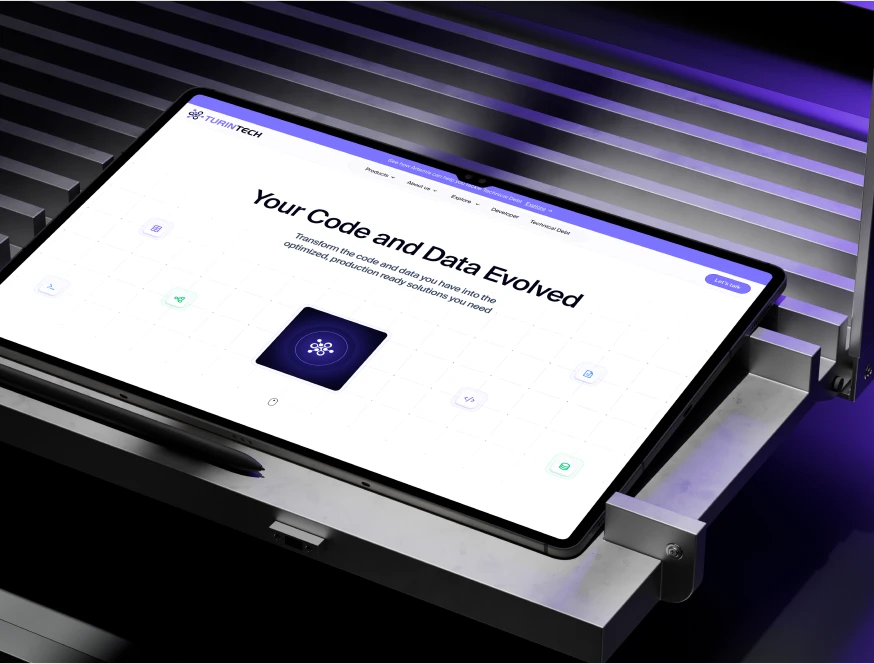
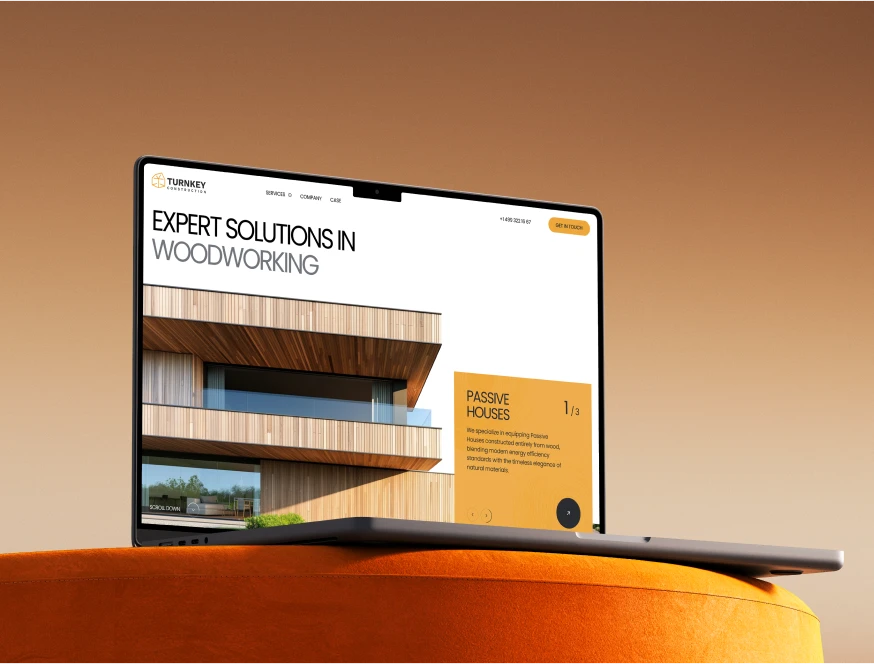
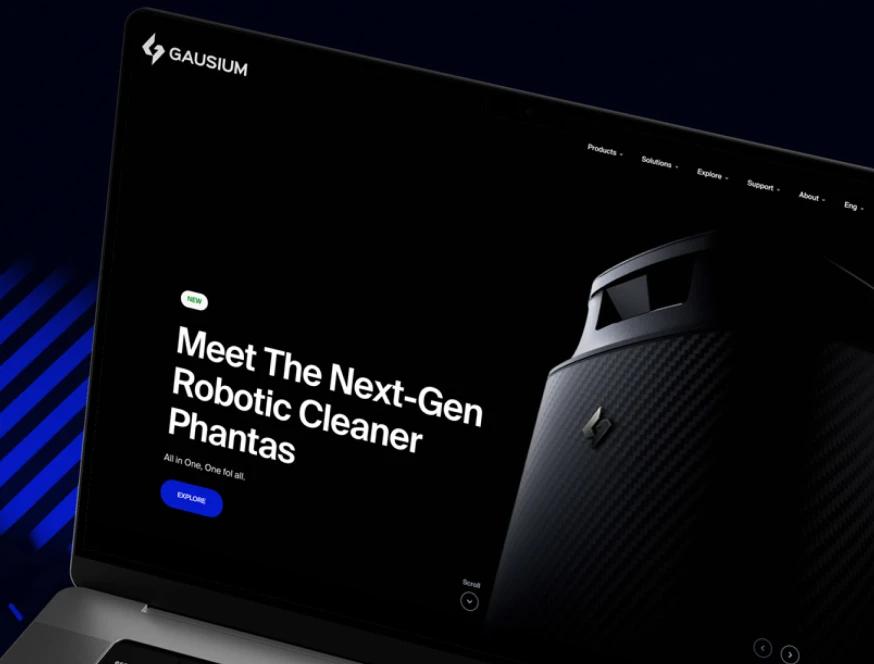
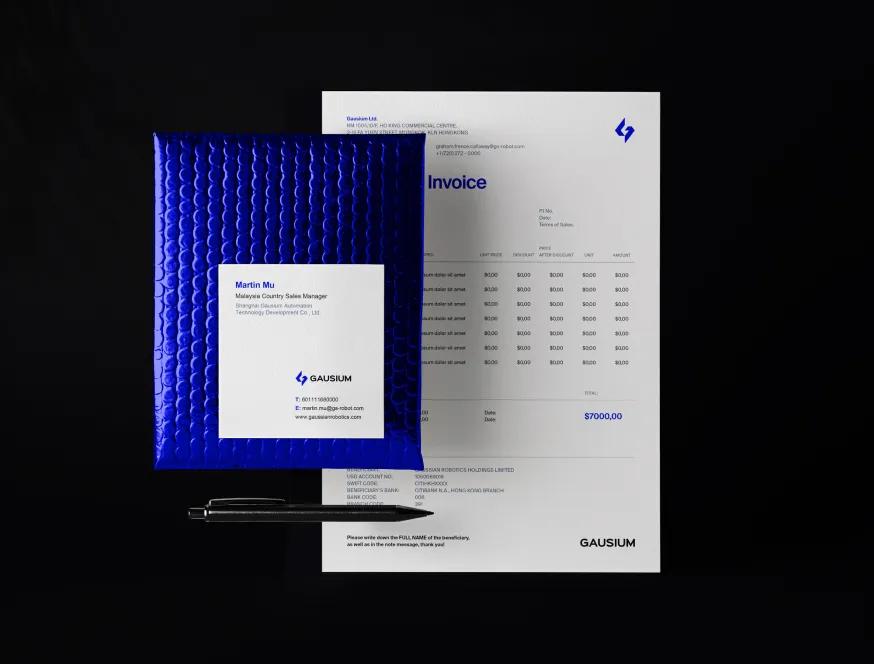
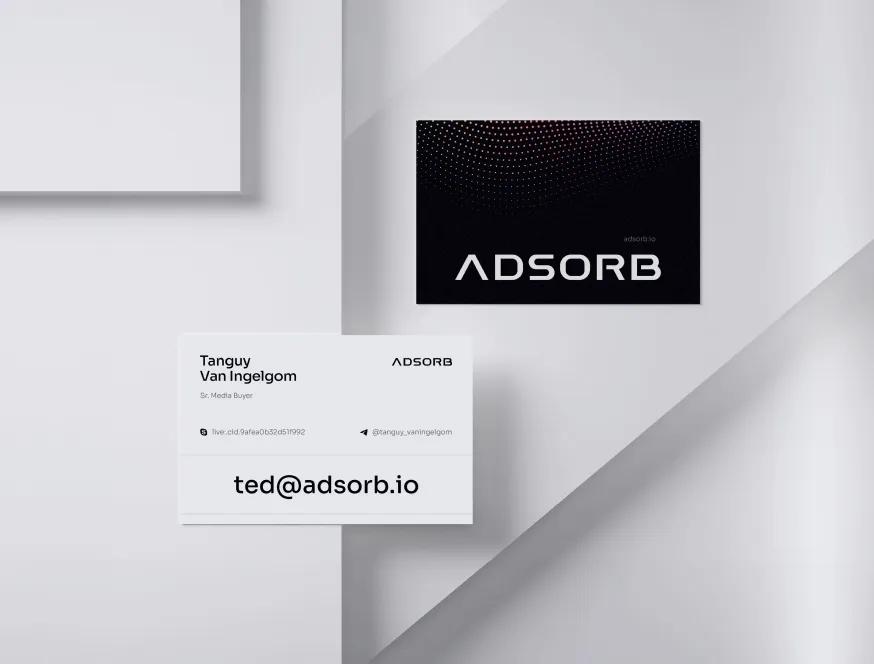
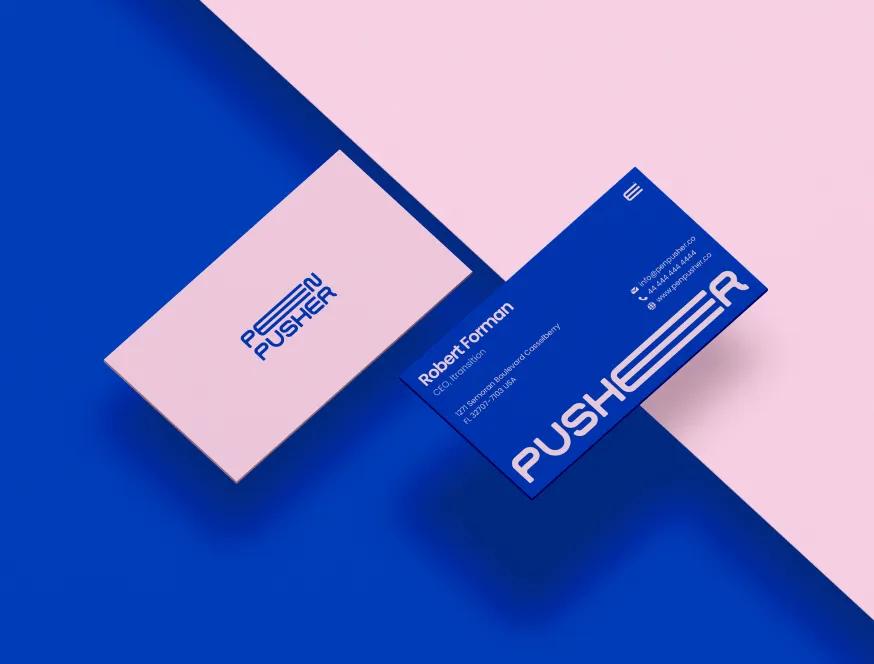
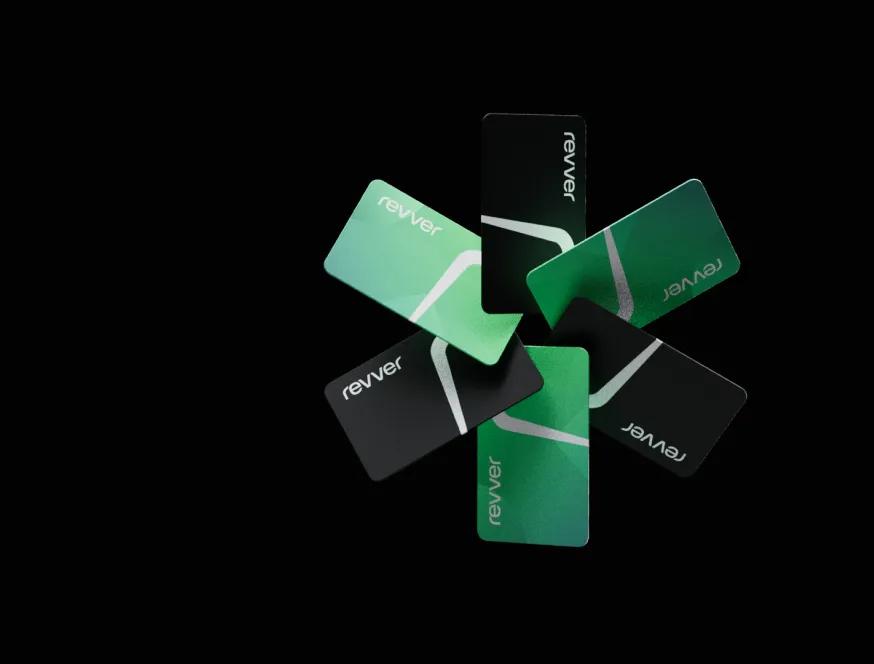
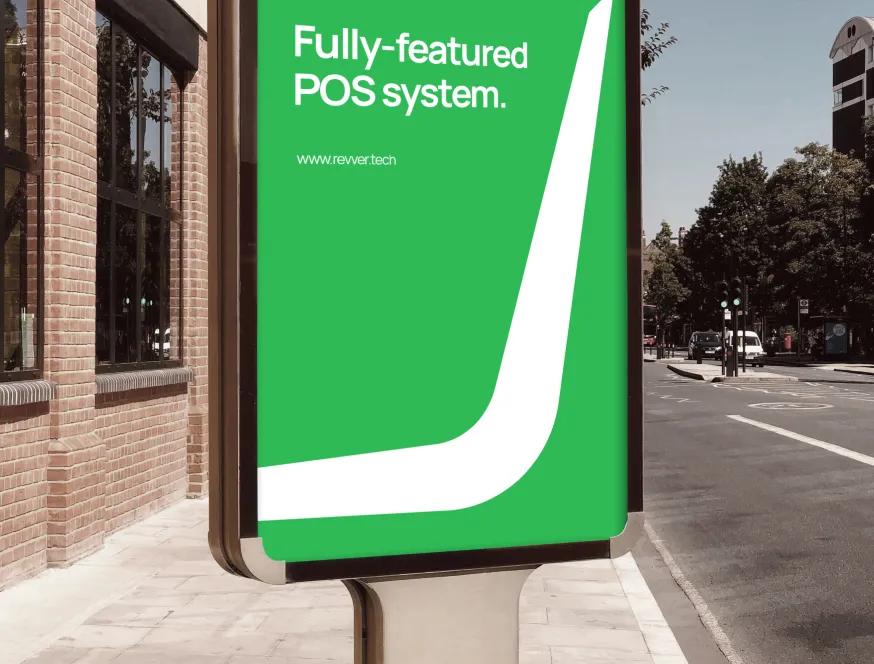
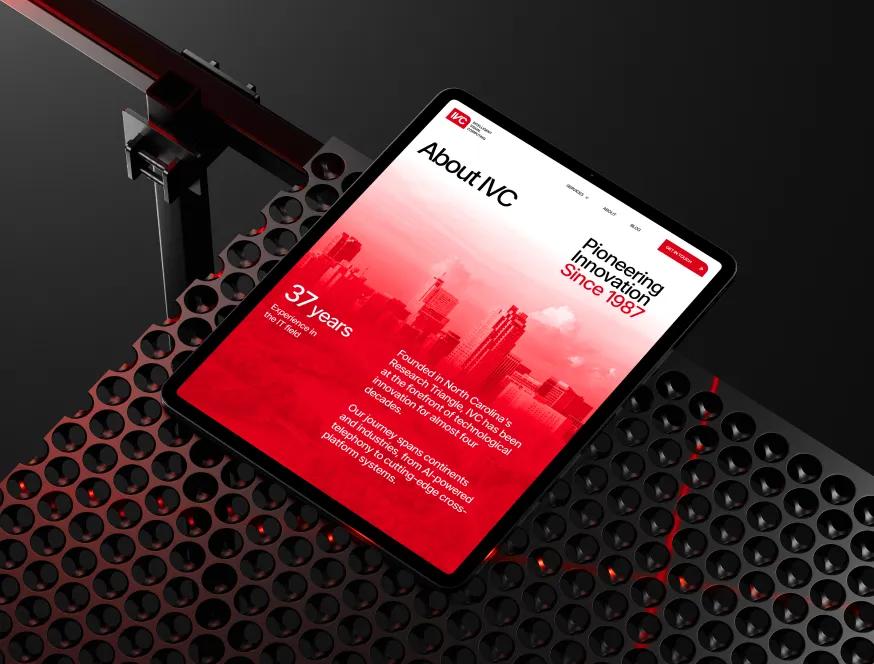
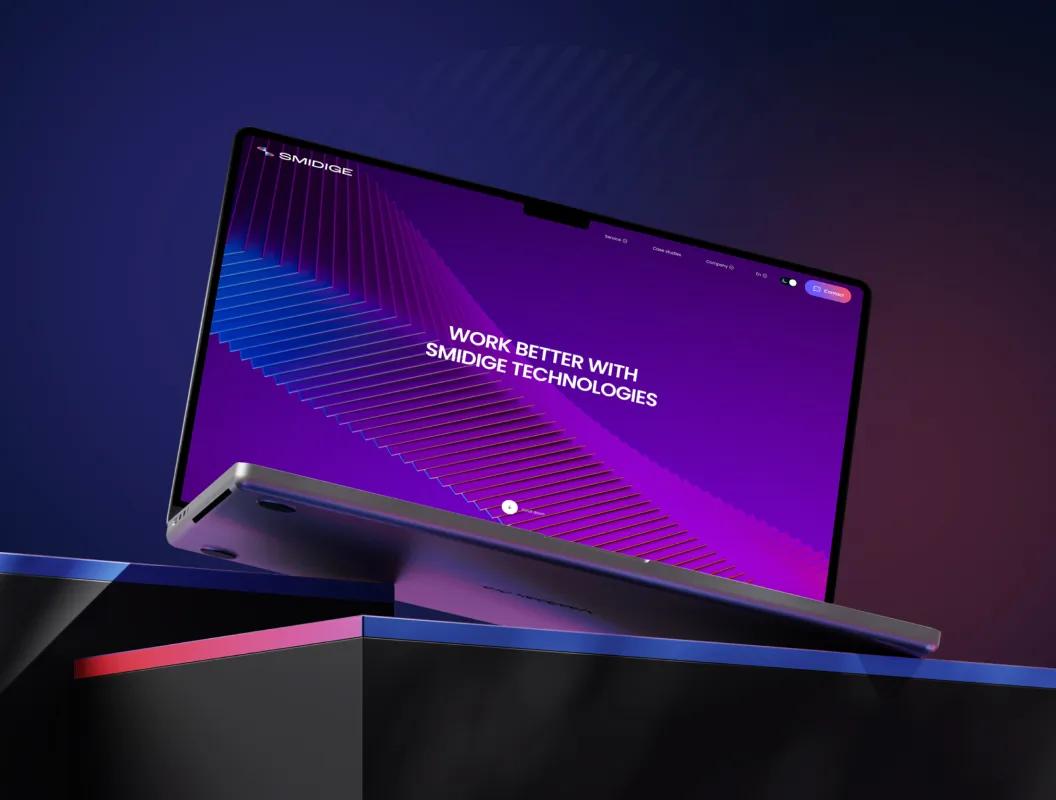
A curated mix of visuals that speak louder than words — bold, refined, and uniquely crafted.


How We Build a Starter Pack in Two to Three Weeks
Three calls, three milestones, one shippable kit. We compress the parts that usually waste time — endless concept rounds, abstract mood boards — and protect the parts that matter: positioning enough to make the visuals defensible, and execution good enough to last 18 months.
Week 1: a 90-minute positioning call, then mark direction
One structured call covers what the company does, who it sells to, and the three nearest competitors. From that we lock a single brand direction — not three, not seven. One healthcare scheduling startup walked into the call certain they wanted "trustworthy and clinical" and walked out aligned on "calm and obvious," because their actual users were burned-out clinic admins, not patients. Direction confirmed end of week one.
Week 2: wordmark, palette, type — together, not separately
Identity systems break when each element gets designed in isolation. We work the wordmark, palette, and type as a single composition tested on real screens — the headline of your landing page, a button hovering over the hero image, a pitch slide with three bullets. End of week two: your team approves the system as it appears in actual use, not as an abstract presentation.
Week 3: templates, exports, and a working handoff
The last week ships what you'll actually use day one — pitch deck template, social profile pack, one-page brand sheet, and Figma library structured so a future hire can extend it. We close with a 30-minute handoff covering how to add a new slide, how to export a new social asset, and what to do when you outgrow the pack. Most teams take that call without needing a follow-up for six months.
Meet the Team Behind the Work
Our team brings together specialists from different creative and technical fields — from Webflow developers to creative directors.
Each of us contributes our own perspective, skills, and dedication to deliver thoughtful, high-quality digital solutions for our clients around the world.
Where Most Early Brand Work Quietly Fails
We've cleaned up dozens of pre-seed brand engagements. Three failure modes show up across founders who paid anywhere from $1,200 on Fiverr to $35,000 at a name-brand agency.
The 90-page brand book nobody ever opens
shows up in the seed-stage deal where the founder spent $25,000–$40,000 on a full brand exercise and got back a bound document the team will never reference. Six months later their first hire ships a deck without checking it. The cost is double — the original spend, plus the brand drift that follows because a 90-page book is not a working tool. A starter pack at $4,500–$8,000 with a one-page sheet that fits on a Slack pinned message gets used. We track this: starter-pack clients reference their one-pager 4–6x more often in their first year than full-brand clients reference their 90-page book.
Logo without a system around it
is the $400 Fiverr trap. You get a workable mark and zero rules. Four months in, the founder is hand-picking colors for each new screen, the deck has three different blues, and the favicon is a screenshot scaled down. The mark itself isn't the problem — the absence of palette, type, and minimum templates around it is. The cost: 6–8 weeks of founder time over the first year tweaking visuals, plus the trust hit when your decks and site obviously don't match. A starter pack solves this in week one and saves the time directly.
Strategy-heavy work that delays your launch
looks like a 12-week branding engagement that finishes after your launch window. Pre-seed teams need to ship — to investors, to early customers, to early hires. A 12-week brand exercise at the wrong moment means you launch with placeholder visuals, then re-launch three months later when the brand finally arrives, splitting your launch attention. We've watched this halve the impact of a Product Hunt launch and meaningfully slow seed close conversations. Starter packs are scoped to your actual launch window, not the agency's preferred process length.

Other Services We Offer
We also offer in-depth brand identity work, web design, and ongoing Webflow support — explore the rest of what we do.
What a Brand Starter Pack Actually Includes — and Costs
A small business brand kit done right covers the four things that actually appear in front of customers, investors, and hires in your first eighteen months: a logo, a palette, a typography system, and the templates the team uses every week. Anything beyond that — full brand strategy documents, photography directions, illustration systems, motion guidelines — is real work, but it's the wrong work for a pre-seed or pre-launch team.
Concretely, our brand starter pack delivers:
- A wordmark and simplified mark. Two related lockups so you can use the full wordmark on the site and the simplified mark in spaces where the wordmark won't render — favicons, app icons, social avatars, watermark applications. Both delivered as SVG, PNG at four sizes, and print-ready PDF.
- Five colors that hold up on a real screen. Primary, secondary, and three functional UI tones (success, warning, neutral). All tested for AA accessibility contrast on light and dark backgrounds. Hex, RGB, and HSL values documented so engineering doesn't have to extract them from a Figma file.
- Type pairing — display and body — with web-font sources. Tested against your actual headline length and body paragraph rhythm. We default to Google Fonts or Adobe Fonts unless the brand direction warrants a foundry license, in which case we flag the cost up front.
- Pitch deck template plus social profile pack. The deck covers cover, section break, content, and Q&A slides — enough to ship a real deck without redesigning. Social profiles cover LinkedIn, Instagram, X, and email signature.
Pricing sits in the $4,500–$8,000 range depending on whether you need print collateral (business cards, one-page sales sheet) included. Most pre-seed teams take the $4,500 base. Series A teams with a larger rollout typically take the $6,500 tier.
When this isn't the right fit: if you have an established brand and only need the visual layer modernized, look at Brand Refresh in 2 Weeks. If you're a startup with seed funding closed and need the brand built around a specific go-to-market moment, the Startup Branding Package includes positioning workshop and is the better fit. If you only need the visual atoms — mark plus palette, no templates — the Logo + Palette Kit is the leanest entry point at a lower price.