
Quick Brand Refresh Without Losing Equity
Most refreshes either drag for three months or throw out the recognition you've built. A two-week brand refresh is different — same wordmark roots, sharper execution. We audit what's drifted across your touchpoints, fix the dated execution details, and hand back a working kit your team can roll out the same week. No new strategy. No new audience. Just a current visual layer.
- 01
Logo modernization that keeps the silhouette and removes the dated execution
- 02
Refined palette with WCAG-AA contrast, dark-mode pairs, and UI state tones
- 03
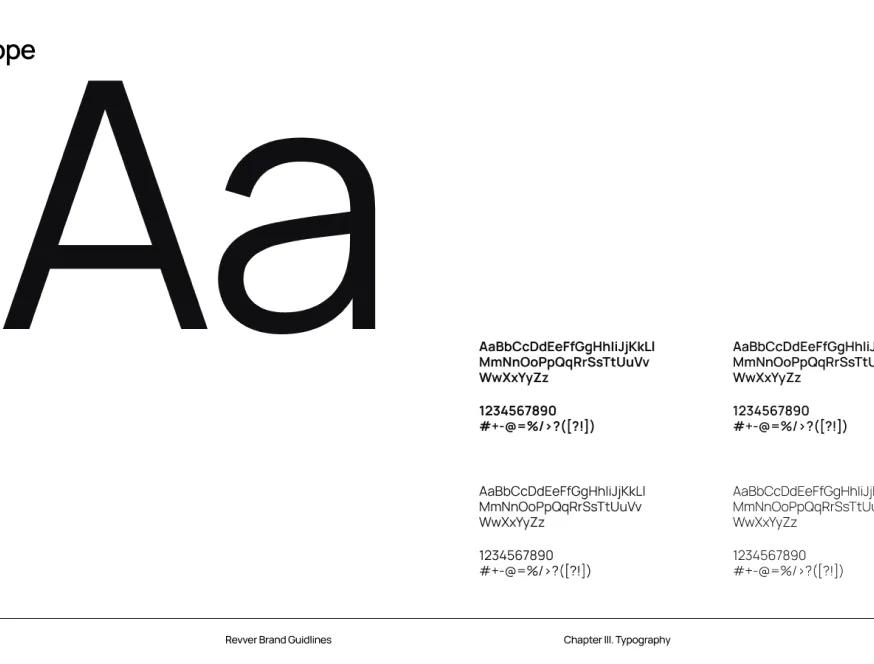
Typography pairing tuned for both web and print without licensing surprises
- 04
12-page brand essentials PDF — usage, spacing, don'ts, and approved variants
- 05
Profile asset pack pre-sized for LinkedIn, Instagram, X, and email signatures
- 06
Source files in Figma plus exported SVG, PNG at 4 sizes, and print-ready PDF
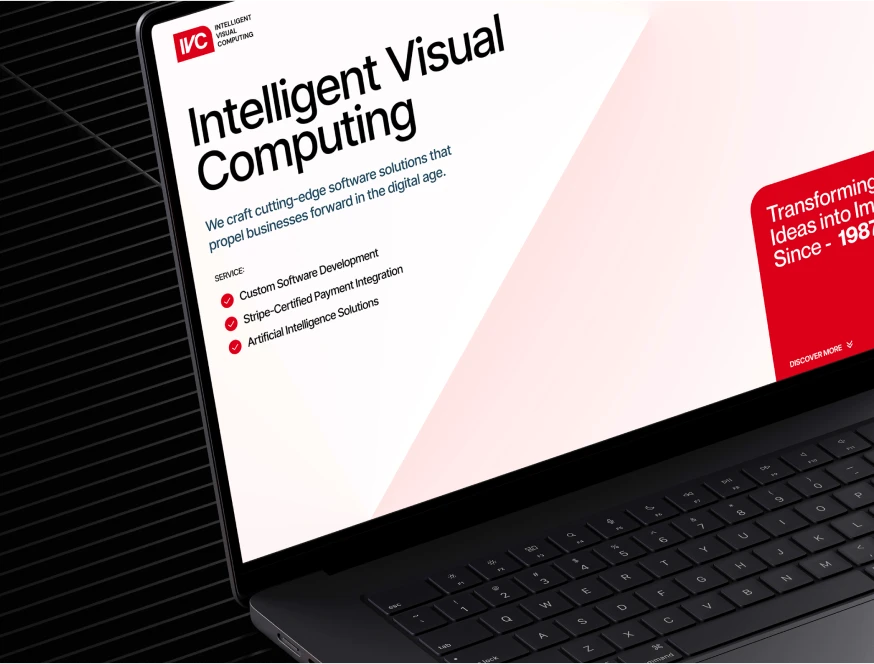
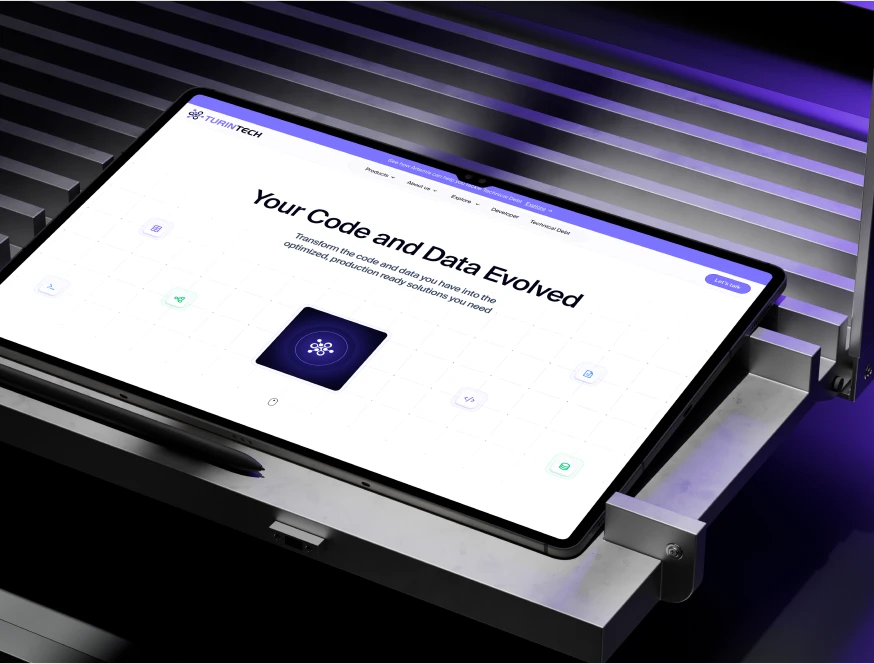
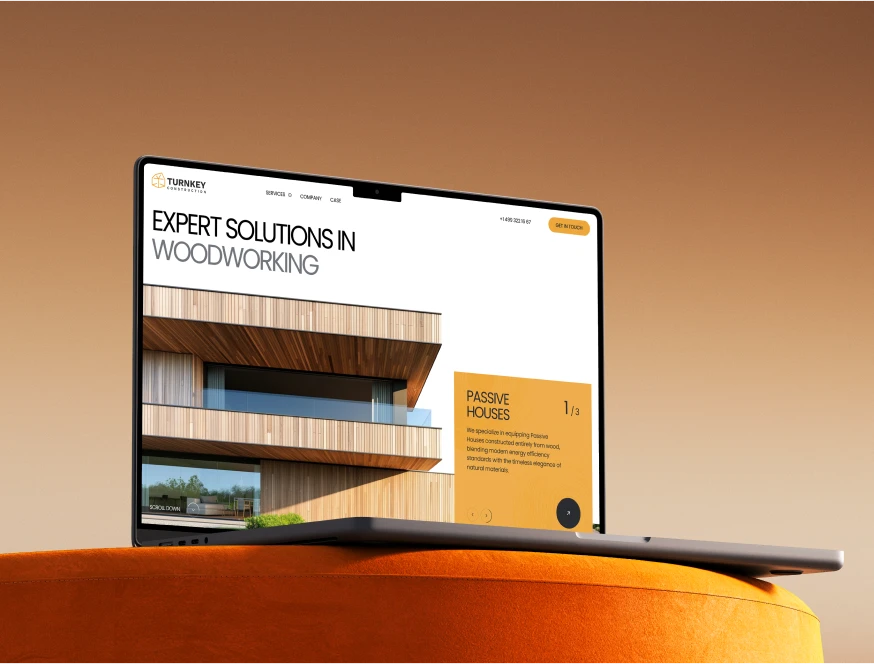
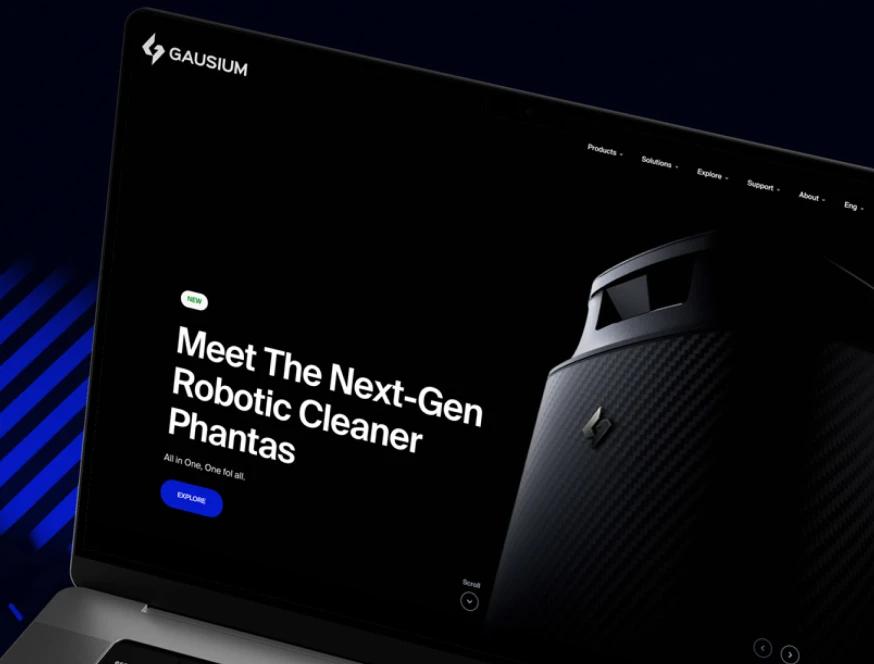
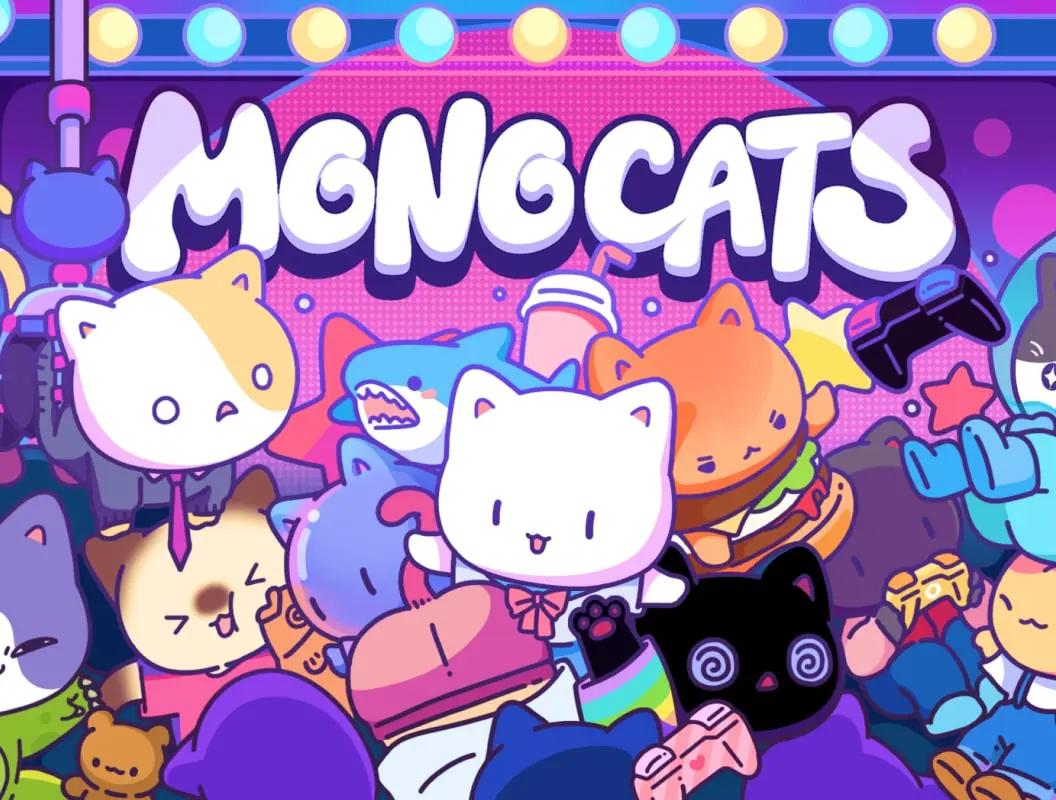
Designs Worth Remembering
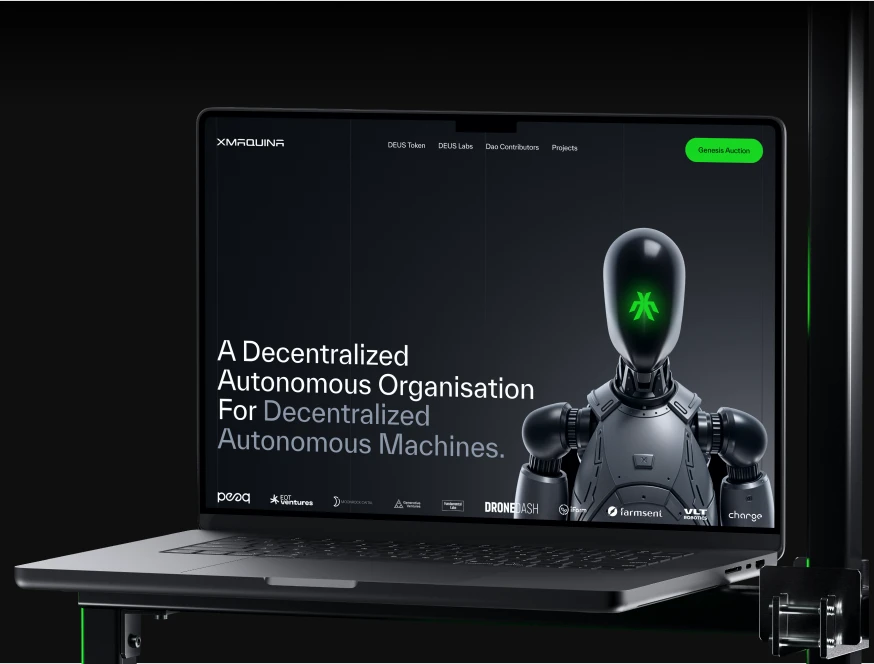
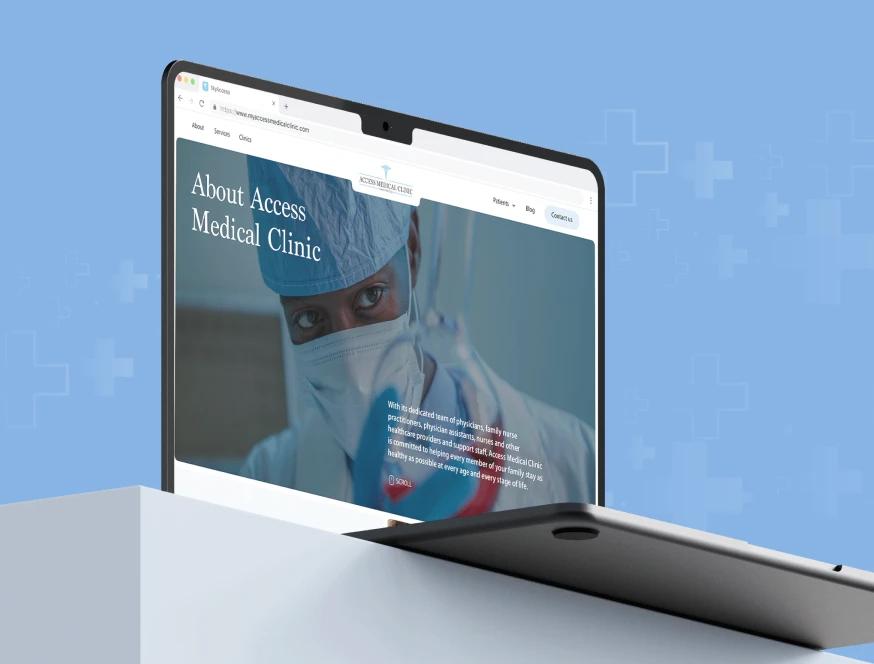
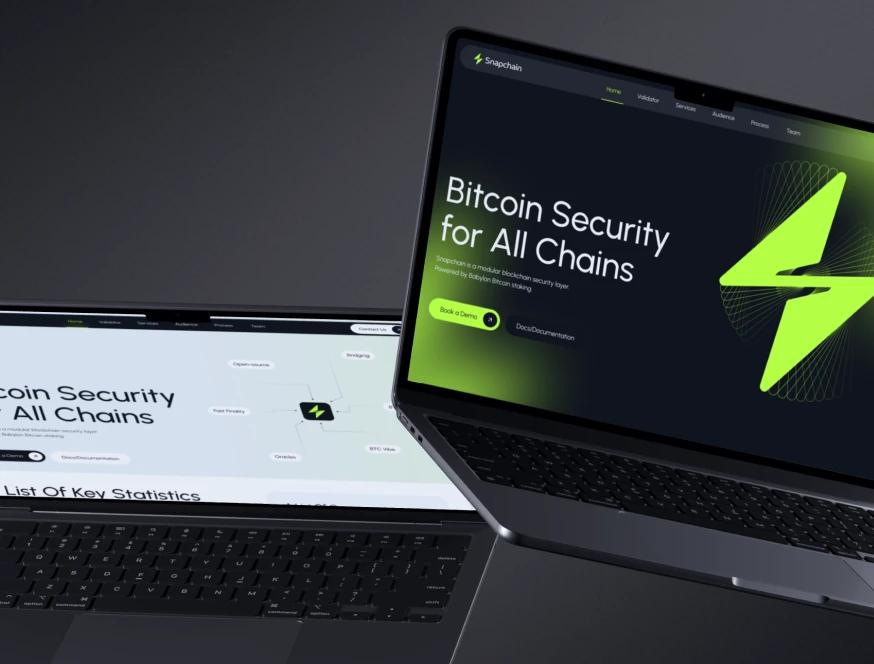
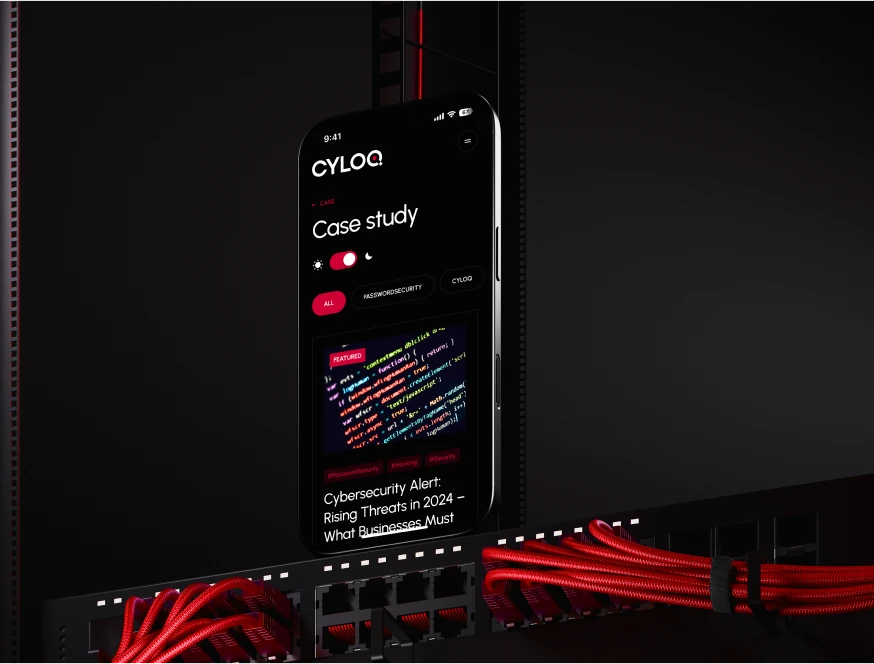
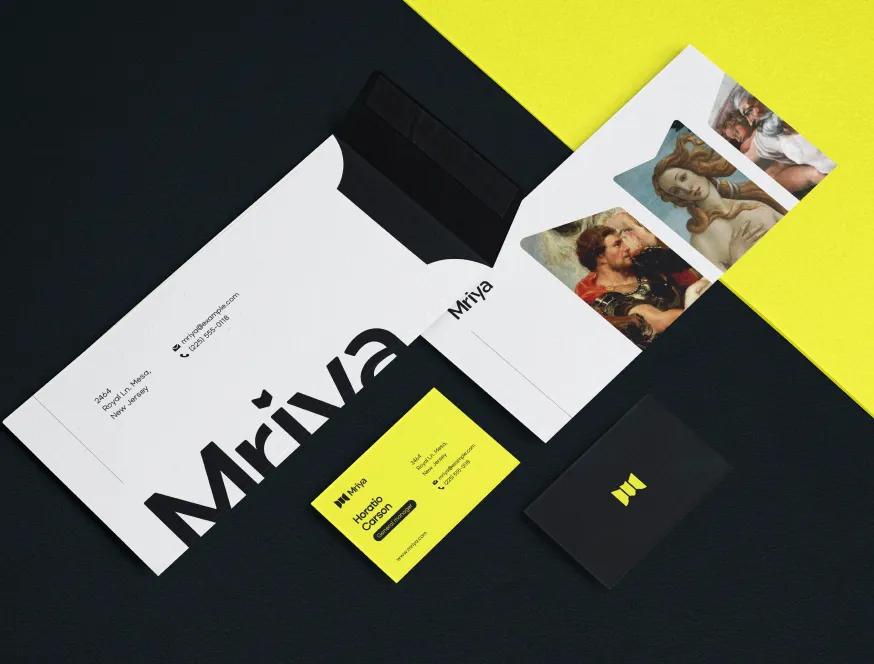
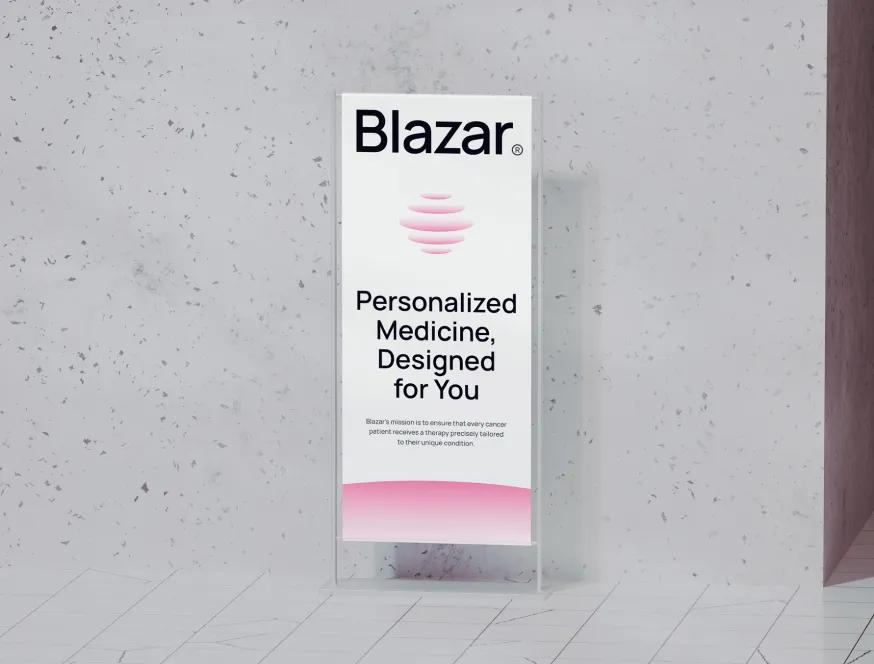
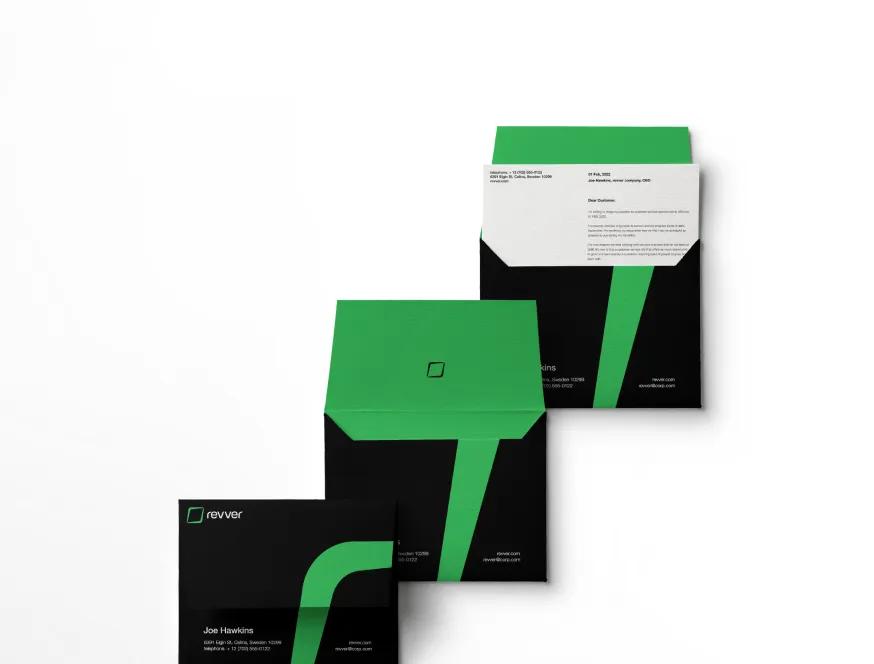
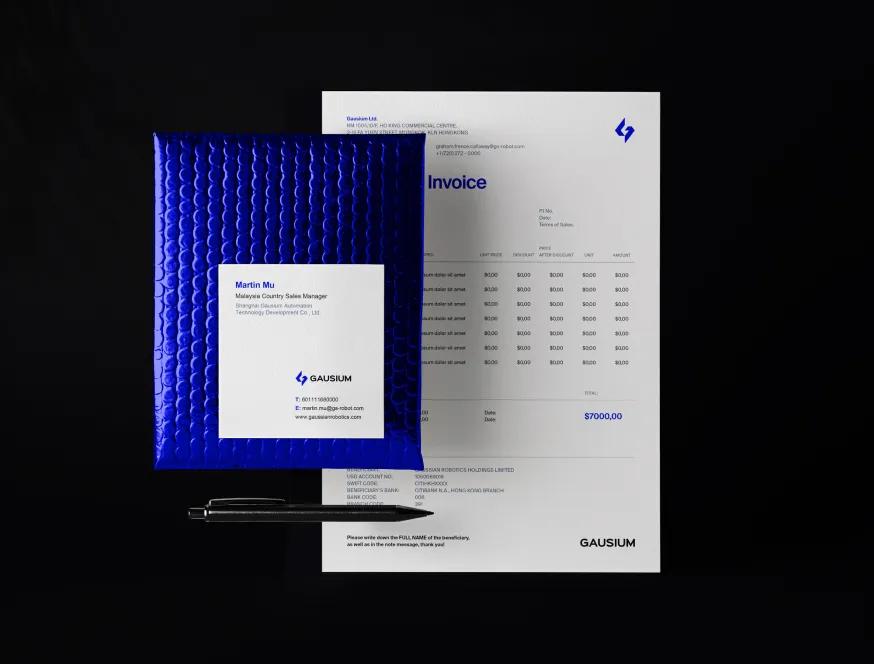
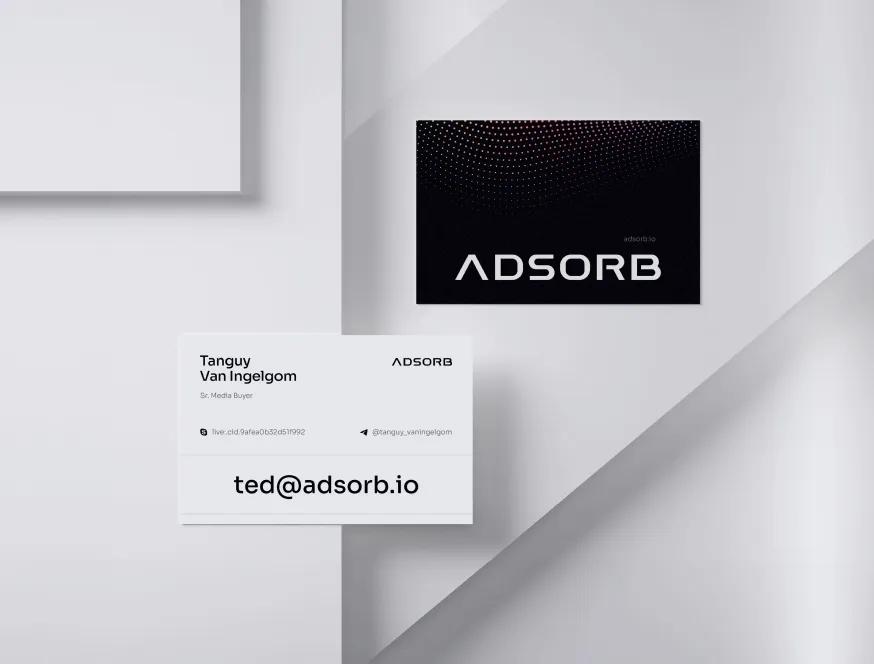
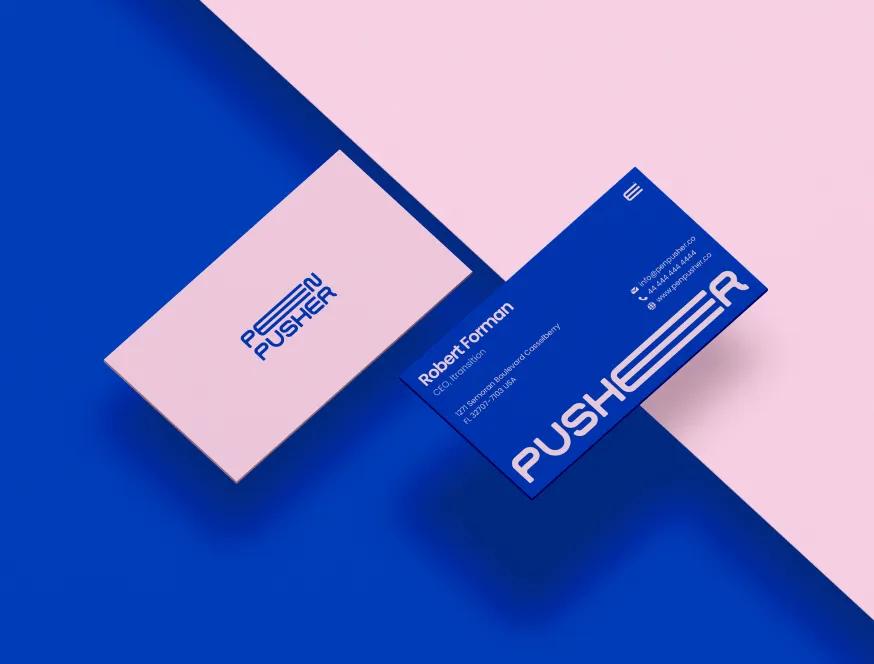
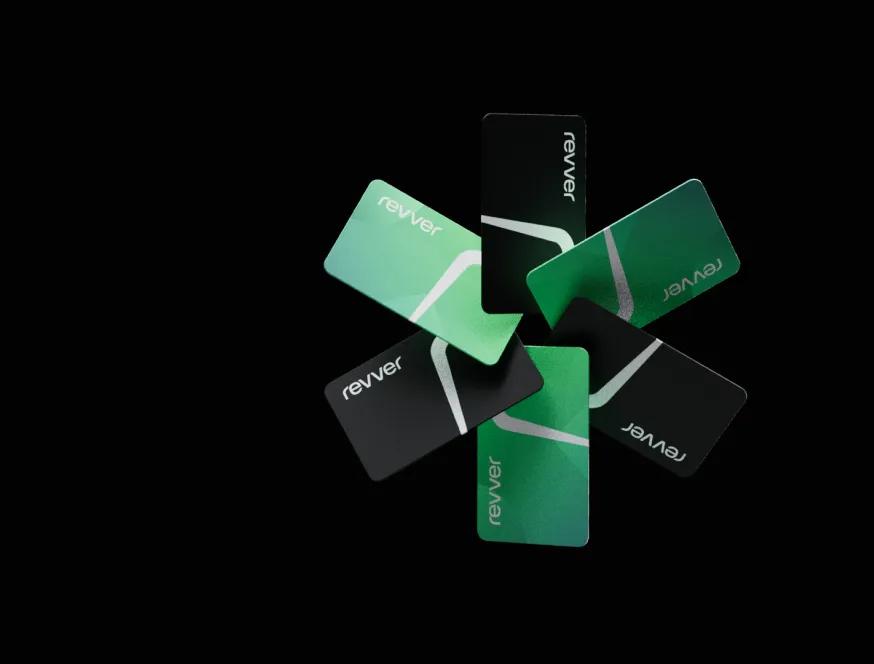
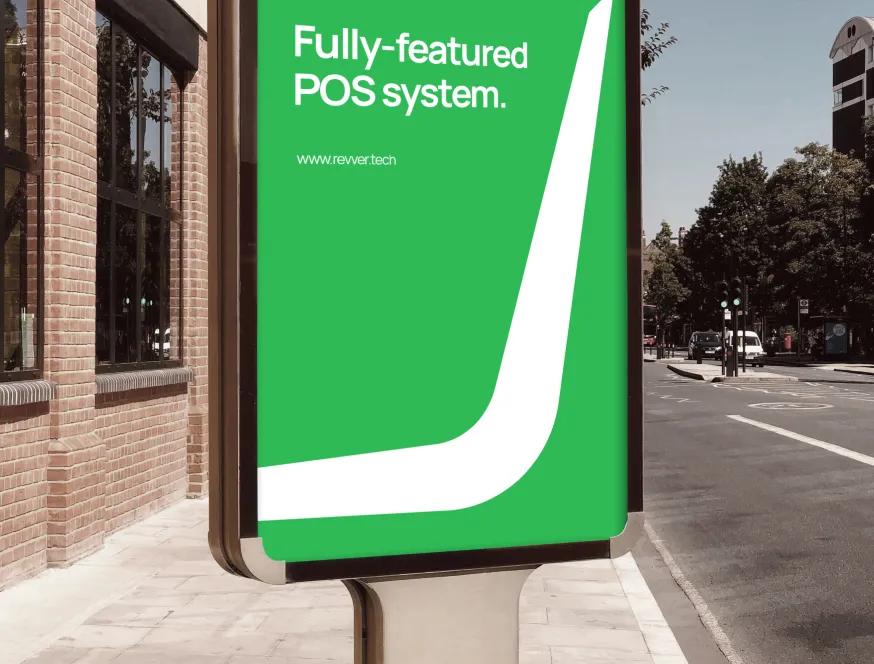
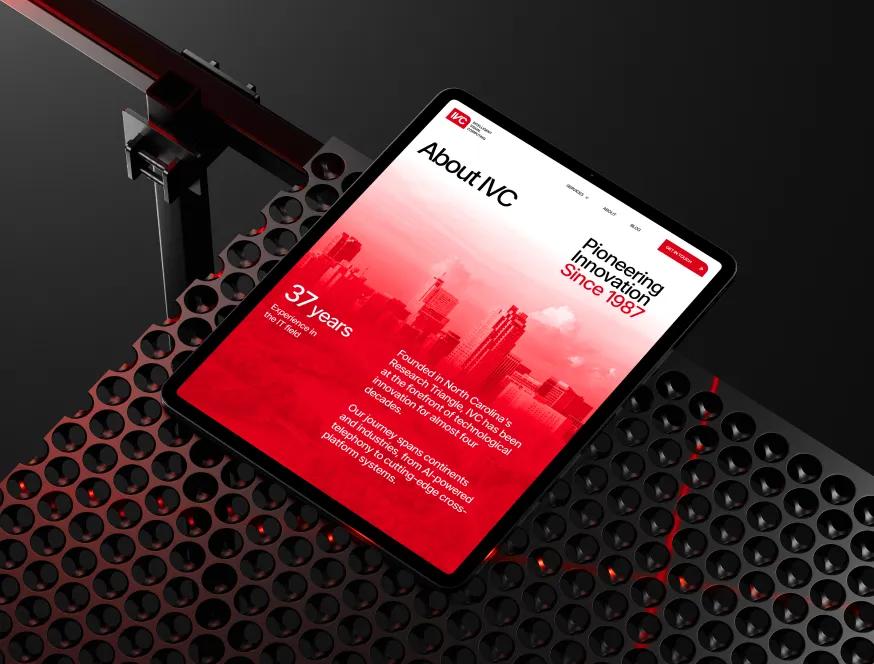
A curated mix of visuals that speak louder than words — bold, refined, and uniquely crafted.


How We Run a Two-Week Brand Refresh
The schedule is the product. We split fourteen days into three named milestones, each with a specific deliverable and a single decision your team needs to make. No drift, no surprise scope. One client shipped their refresh on day thirteen and reused the saved week for a sales-page test.
Days 1–3: drift audit and salvage map
We collect every place the brand currently appears — site, decks, social, ads, signatures — and mark what's drifted. One SaaS client had four logo variants in the wild and three subtly different blues. Identifying salvage targets up front means we don't redesign what's already working. You walk away from the audit with a concrete list of what stays, what tightens, and what gets replaced.
Days 4–9: logo, palette, type tightening
Mark refinement happens against print and screen tests at the same time, not in isolation. We propose two refinement directions on day five, lock one on day six, refine to final on day nine. Palette gets contrast-tested against actual UI screenshots. Type pairings get checked against real headlines and body copy from your site. Decisions based on context, not abstract panels.
Days 10–14: rollout kit and handoff
The last five days produce the kit your team actually uses — Figma library, exports at every required size, a tight 12-page PDF, and a 30-minute handoff call. We pre-build the social profile assets and email signature templates so day-fifteen rollout takes hours, not weeks. One client posted the new look across six channels by lunch on day fifteen.
Meet the Team Behind the Work
Our team brings together specialists from different creative and technical fields — from Webflow developers to creative directors.
Each of us contributes our own perspective, skills, and dedication to deliver thoughtful, high-quality digital solutions for our clients around the world.
Where DIY Brand Refreshes Cost More Than They Save
We've inherited dozens of refreshes that started in-house or with a freelancer and stalled. Three patterns repeat, each with measurable cost.
Refreshing the logo without the system around it
happens when teams treat the wordmark as the whole problem. New mark gets approved, then rolls out into a palette, type stack, and template set that all still feel three years old. The new logo looks worse than the old one because the surroundings drag it down. One e-commerce client paid $3,800 for a freelance logo refresh, then spent another $9,200 six months later replacing palette and templates that no longer matched. The cost: roughly two times the original engagement, plus six months of inconsistent brand presence in the meantime.
Modernizing into a trend that ages in eight months
looks like adopting whatever look-and-feel is currently dominant in your category — gradients in 2018, glassmorphism in 2021, brutalist in 2023 — without checking whether it suits your audience. The refresh feels current at launch and dated by Q2. One fintech we picked up after a trend-driven refresh had already lost 18% of organic traffic year-over-year because their site felt mismatched to user expectations of a serious financial product. The cost of trend-chasing: a second refresh within 12–18 months, plus the trust hit while the trend-driven look was live.
Refresh-by-committee with no decision protocol
turns a clean 2-week sprint into a 9-week wandering review. Three stakeholders, each pulling a different direction, none with veto power. Logo direction shifts on every Friday review call. We've watched this kill engagements outright. Our protocol: one decision-maker per round, written feedback before live calls, and a concrete decision deadline tied to the timeline. The cost when it goes wrong without that: 4–6x the agreed timeline, designer burnout, and a final mark nobody on the team actually believes in.

Other Services We Offer
We also offer in-depth brand identity work, web design, and ongoing Webflow support — explore the rest of what we do.
Two-Week Brand Refresh: Scope, Cost, and What to Watch
A brand refresh is not a rebrand. The distinction matters because it sets cost, timeline, and risk. A refresh keeps your existing brand equity intact — same name, same audience, same positioning — and modernizes the visual execution. A rebrand changes one or more of those underlying inputs. If you've recently pivoted, changed names, or repositioned, you're looking at a rebrand, and the express version of that lives at our Rebrand Express page.
What a two-week brand refresh actually covers in a fixed scope:
- Logo modernization, not redesign. Same silhouette, tighter execution. We strip dated effects (gradients that betray the era, ornaments, soft shadows) and tune curves and proportions for current rendering on screen and print. The mark stays recognizable to existing customers.
- Palette tightening with measurable contrast. We test every color against AA accessibility contrast on both light and dark backgrounds, then build the dark-mode pair and UI state tones. Most refreshes we inherit fail at least three contrast checks; we fix them in the audit phase.
- Type pairing without licensing surprises. If your current type stack uses a foundry license that doesn't cover web, we surface that on day three. We pair display and body faces tested against your actual headlines, not Lorem ipsum, so the refresh holds up on real content.
- A working kit, not a 90-page brand book. 12-page essentials PDF, Figma library, exports at every size your team needs, and pre-built social profile assets. Editors can roll the new look across the site, social, and decks within a single workday.
Pricing for a brand refresh in this scope sits in the $6,500–$12,000 range depending on the size of the rollout kit and whether you need print collateral updated alongside the digital assets. Compared to the $25,000–$60,000 range typical of a full rebrand engagement, the math is simple — if your underlying brand still works, a refresh is the higher-ROI move.
When this isn't the right fit: if you've recently changed the company name, pivoted into a new market, or merged with another business, the strategic foundation has shifted and a refresh will not survive the gap. Consider Rebrand Express instead. If you have no existing brand at all and are launching this quarter, the Brand Starter Pack is the entry point. If you only need the visual atoms — logo plus palette — without touching templates or guidelines, the Logo + Palette Kit is leaner and faster.