
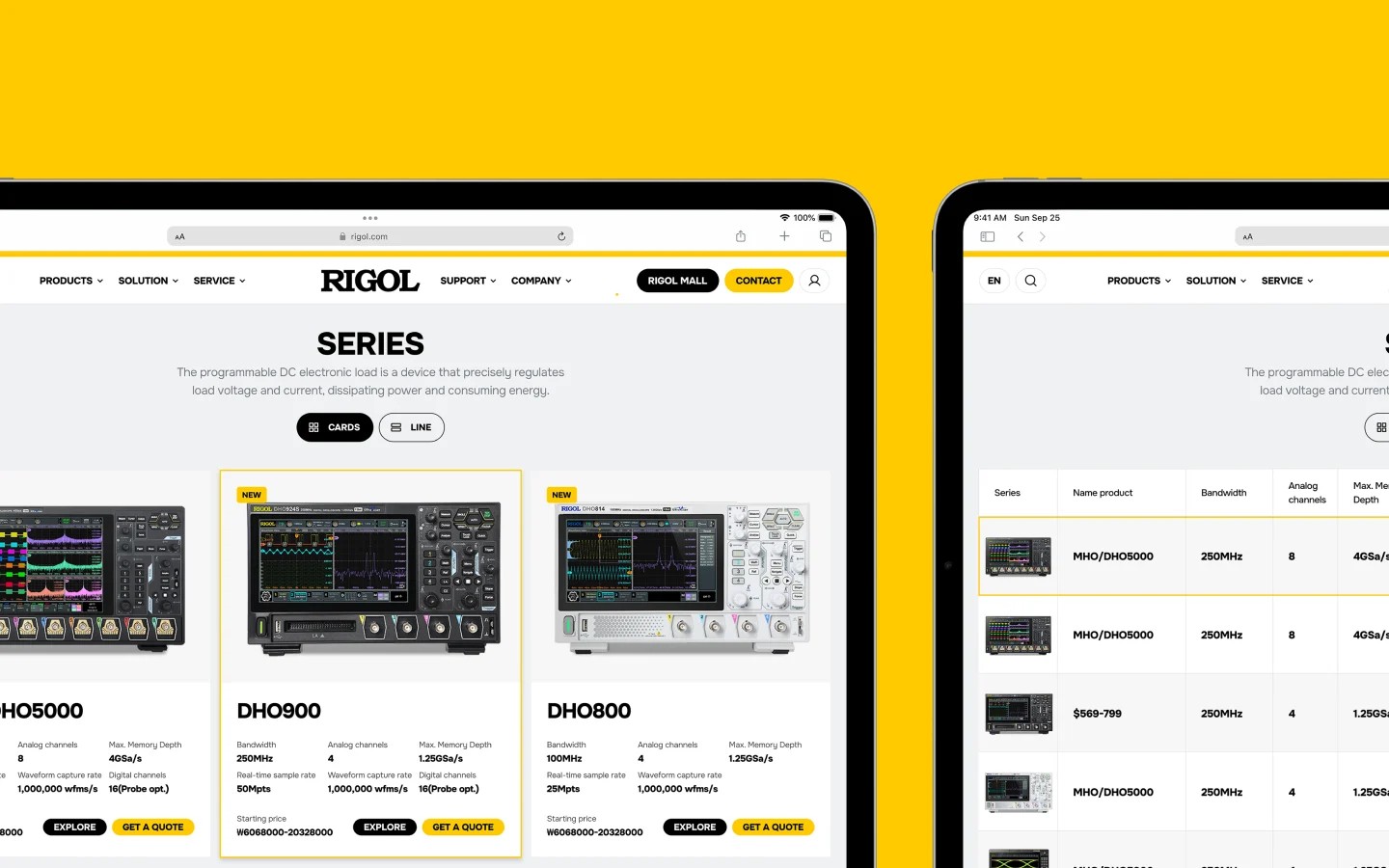
A Shopify store that looks and runs like yours
Most Shopify stores start from a theme and a pile of apps. We build the store your brand needs and keep the app list short.
- 01
Custom Shopify themes
- 02
Headless storefronts in Next.js
- 03
Content and landing pages in Sanity
- 04
Checkout and app integrations
- 05
Store migrations to Shopify
- 06
Speed and Core Web Vitals
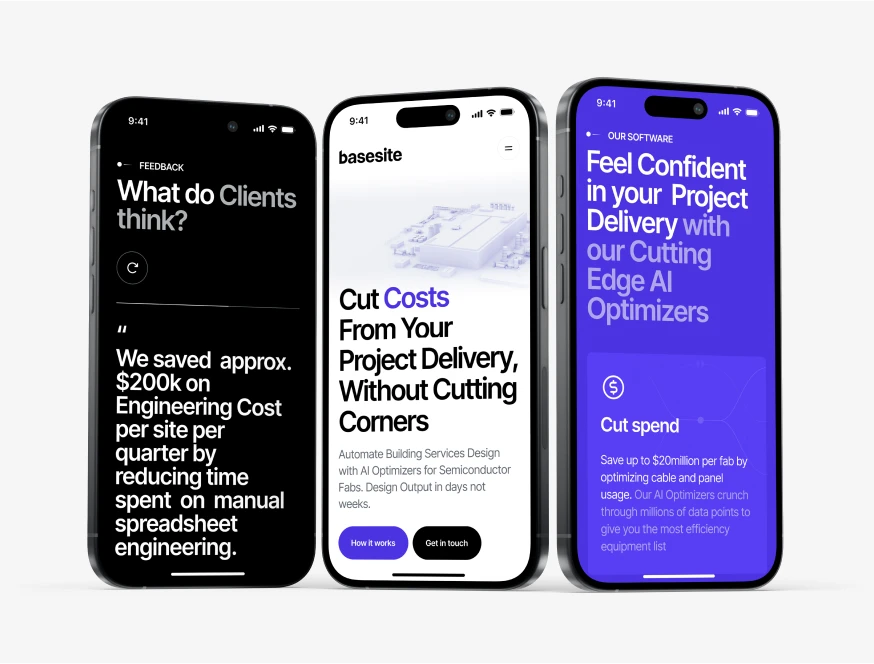
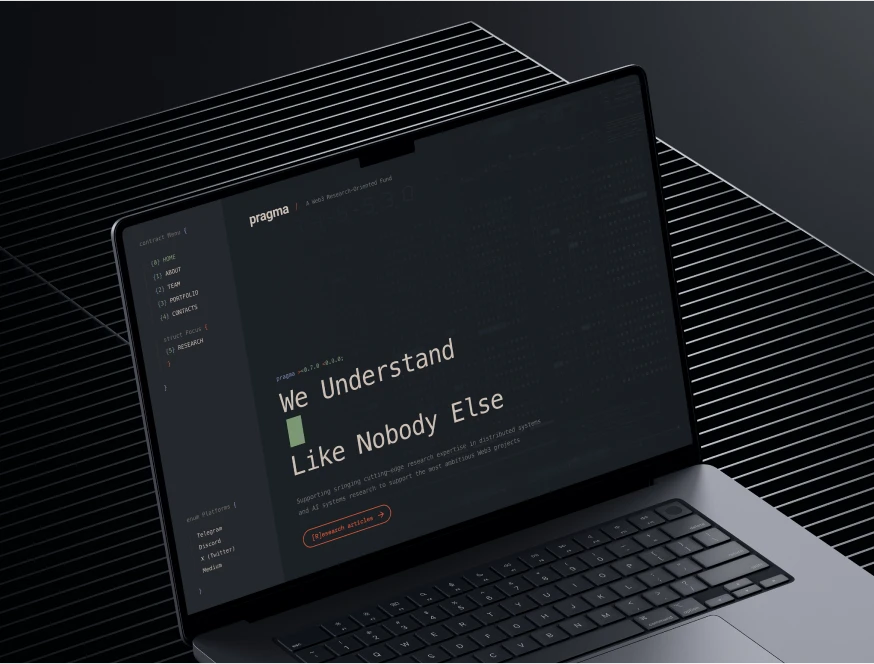
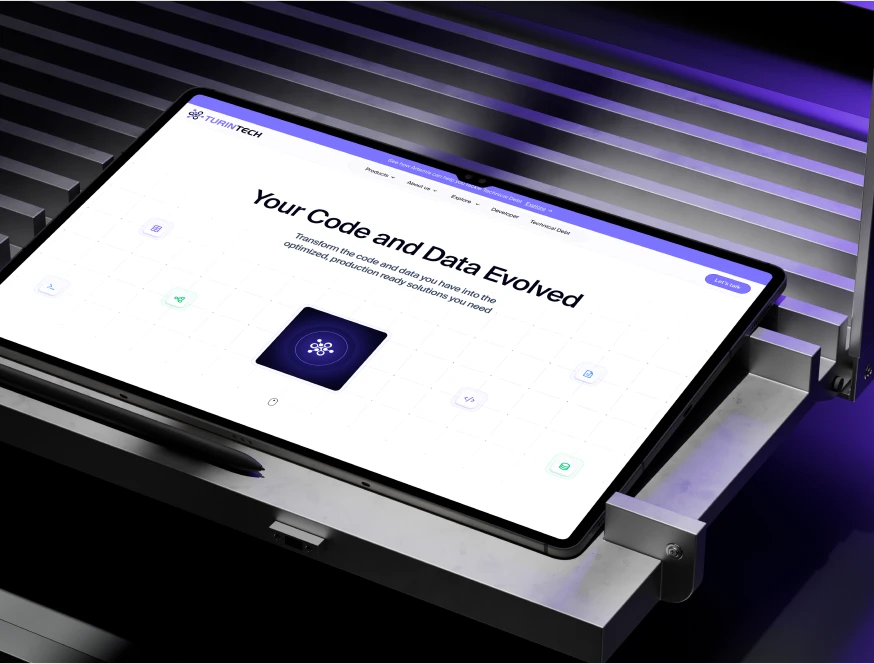
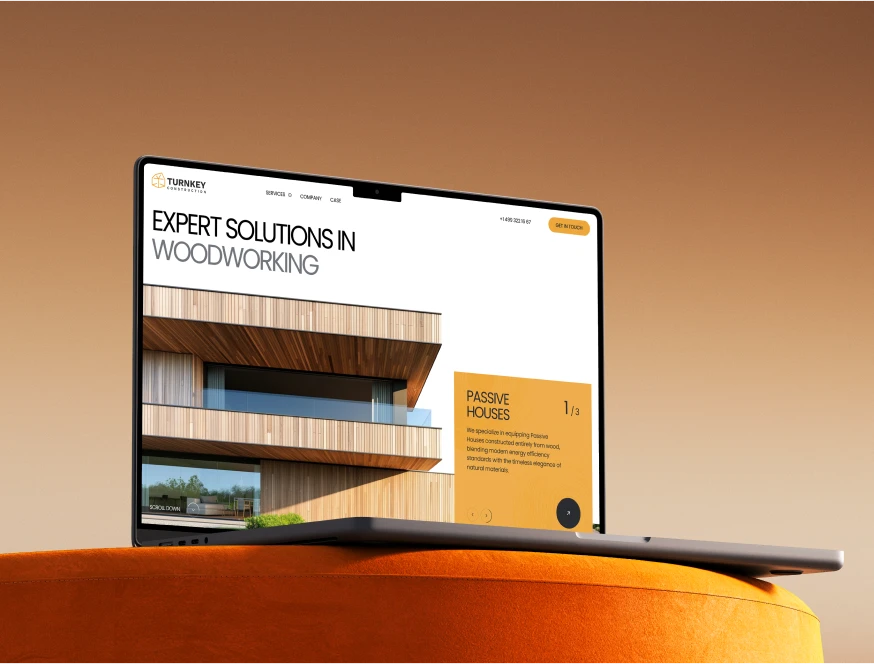
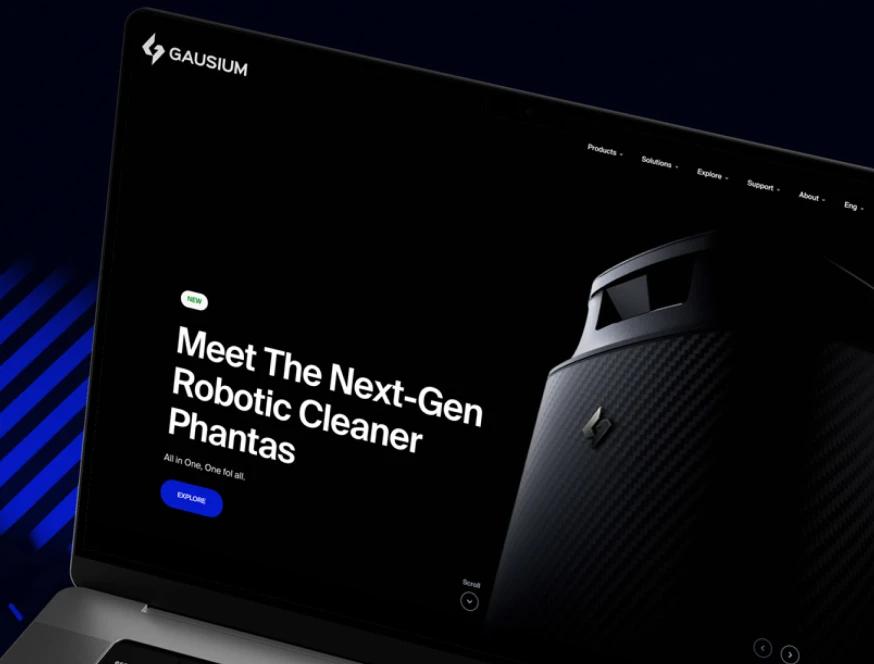
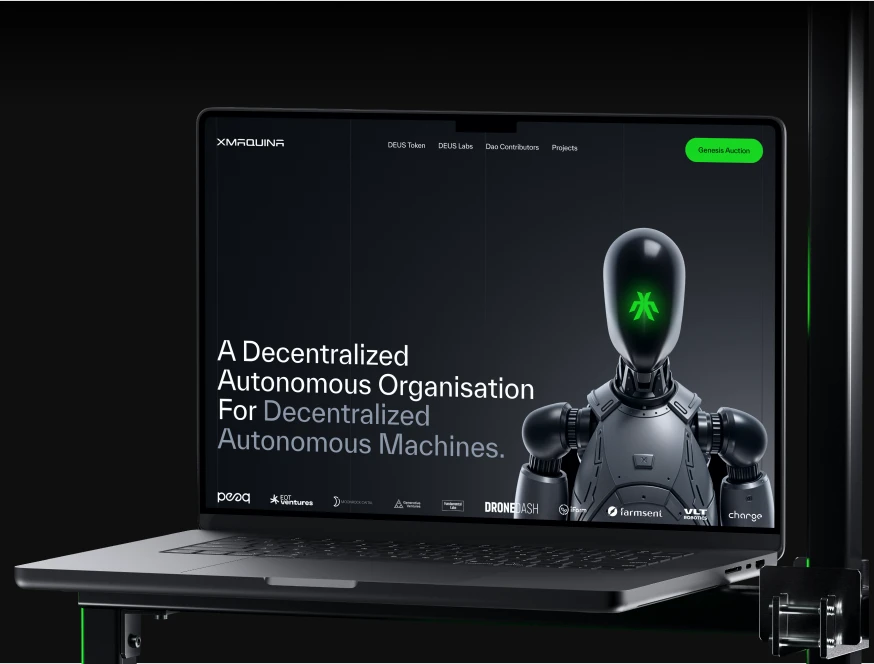
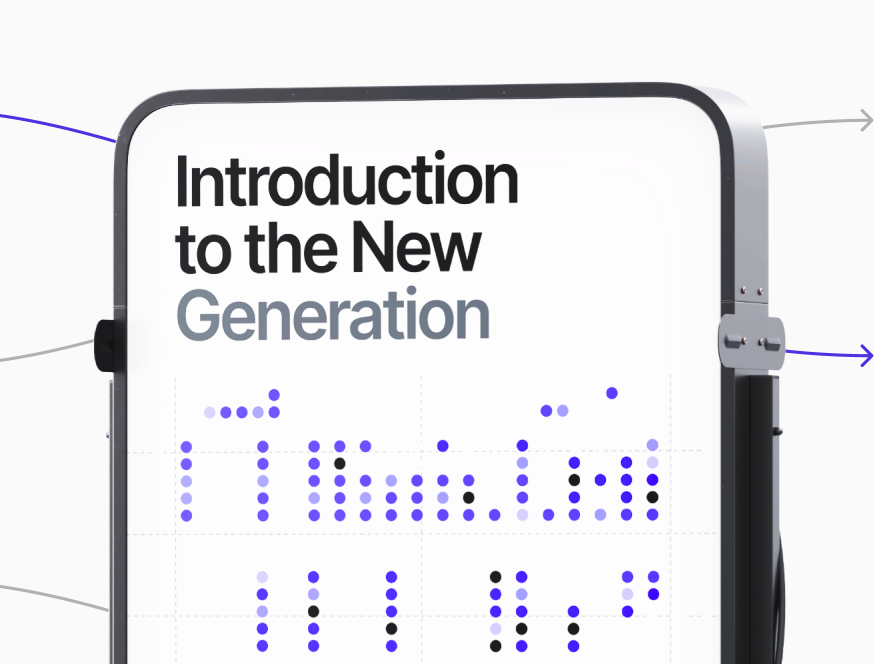
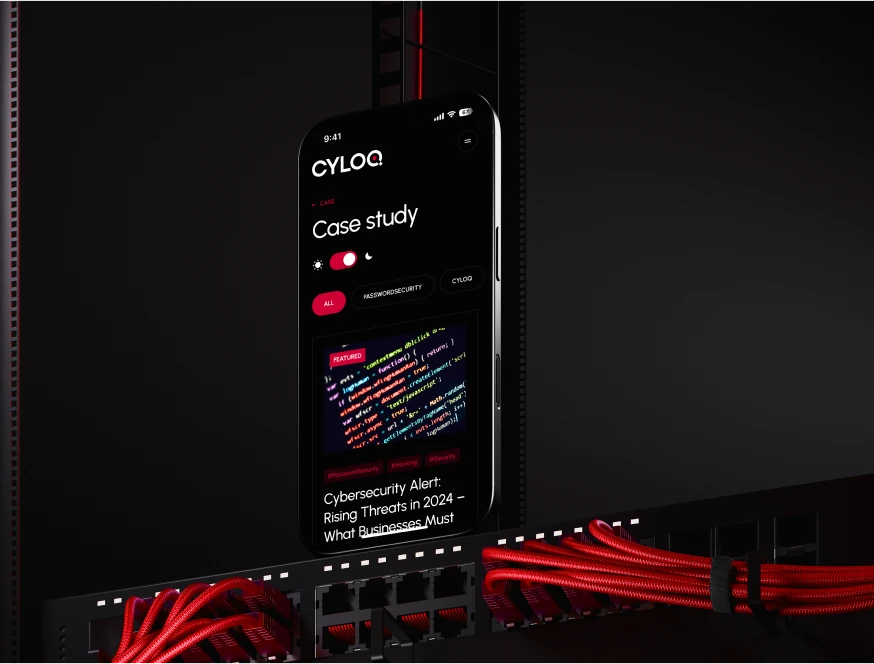
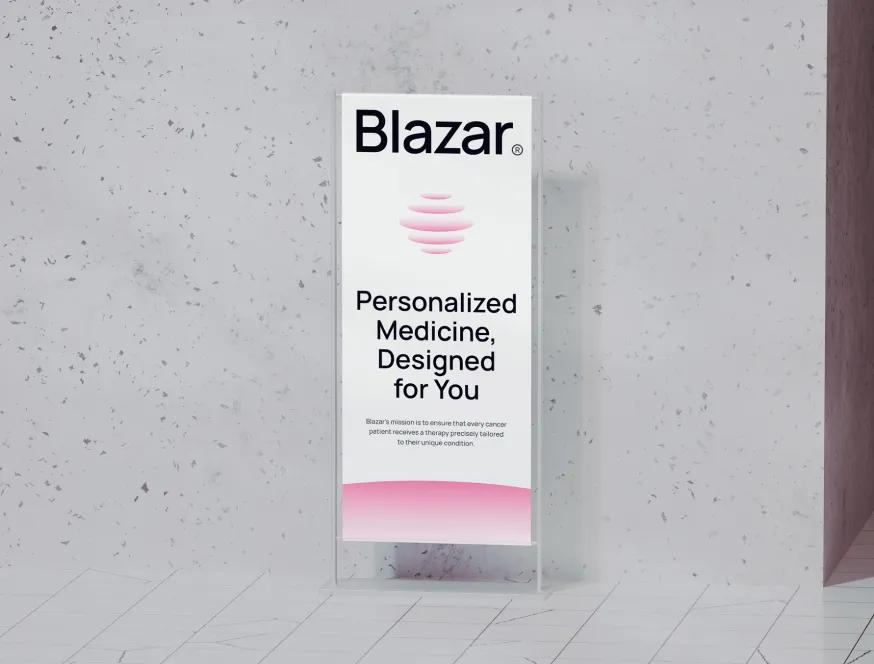
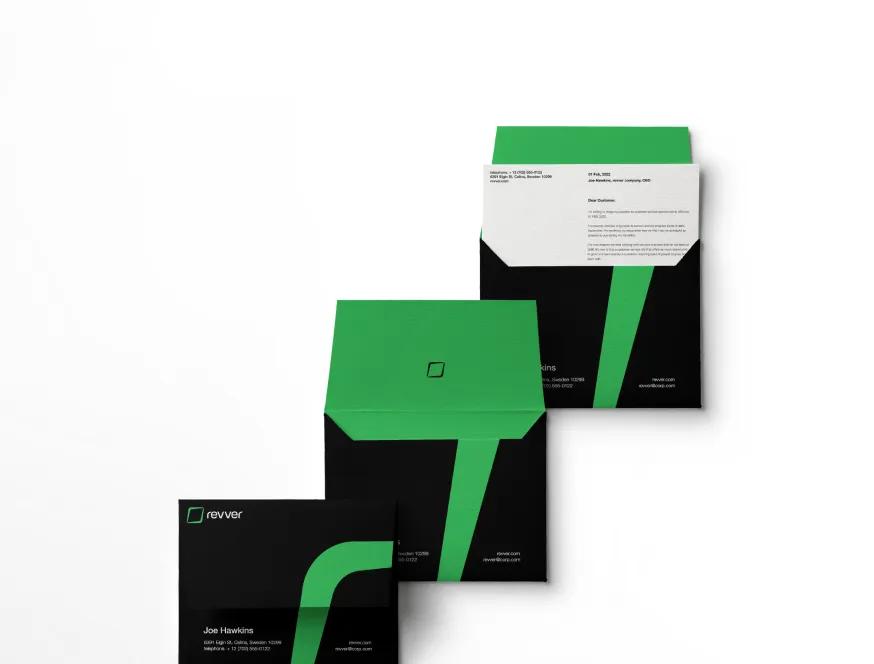
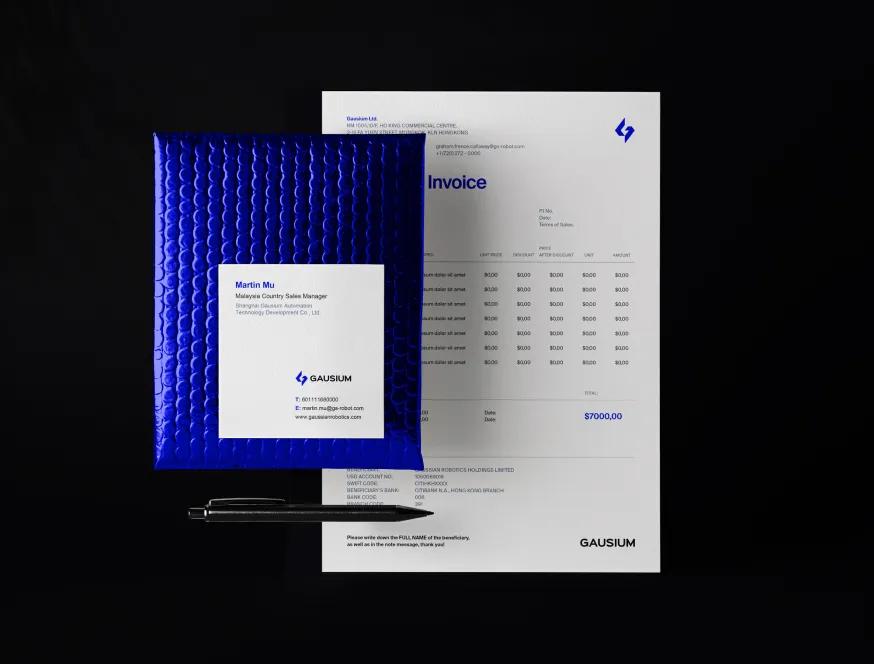
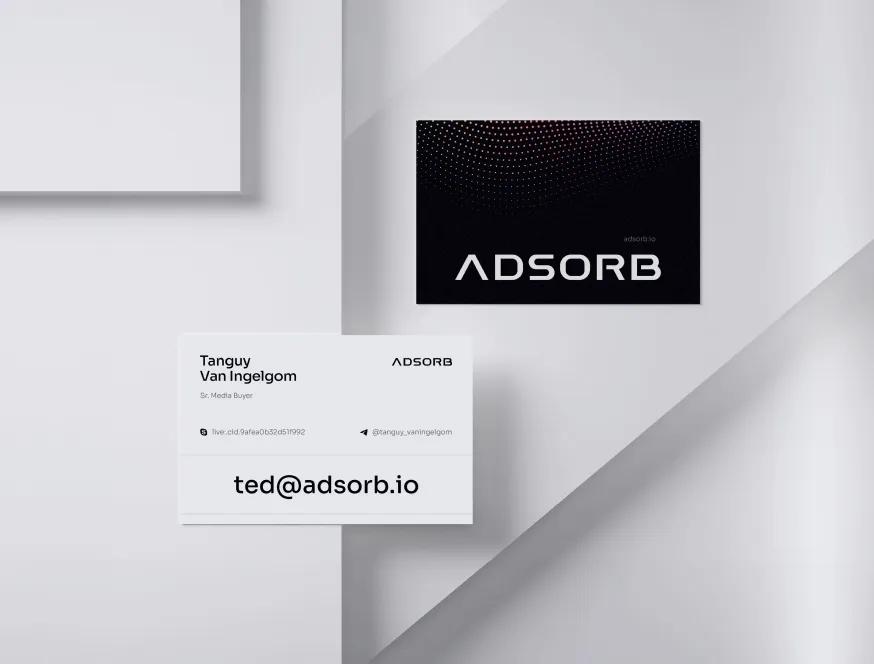
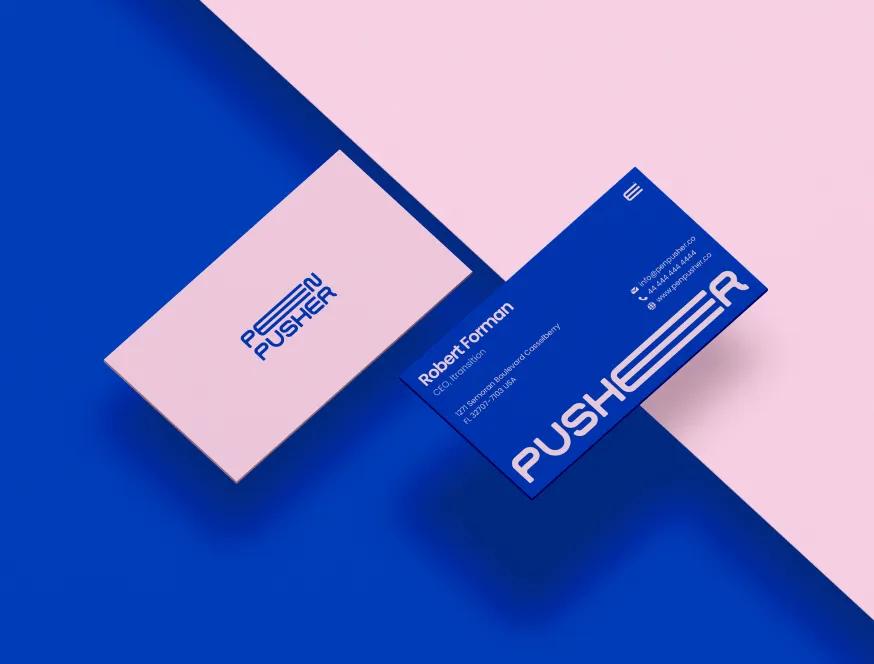
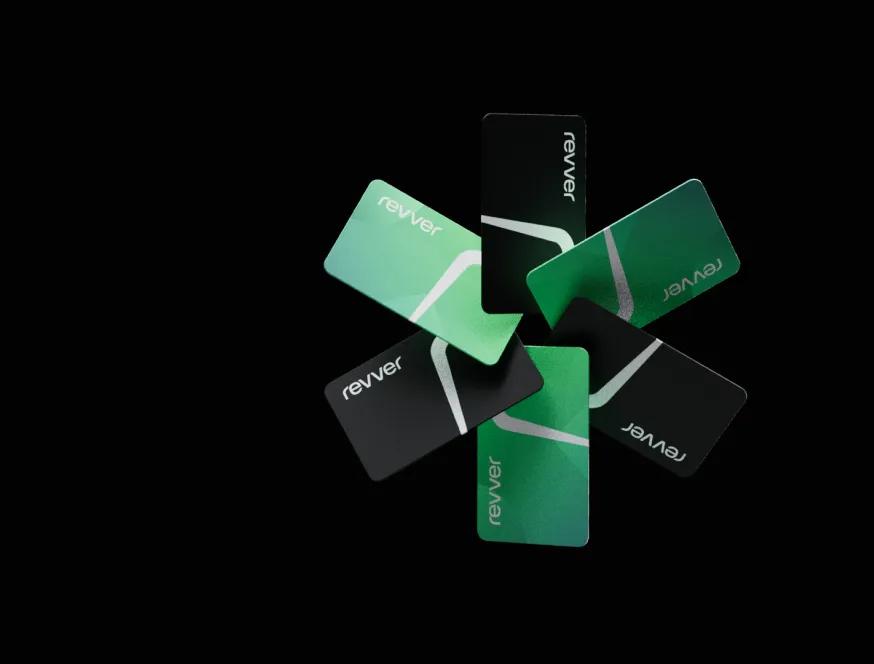
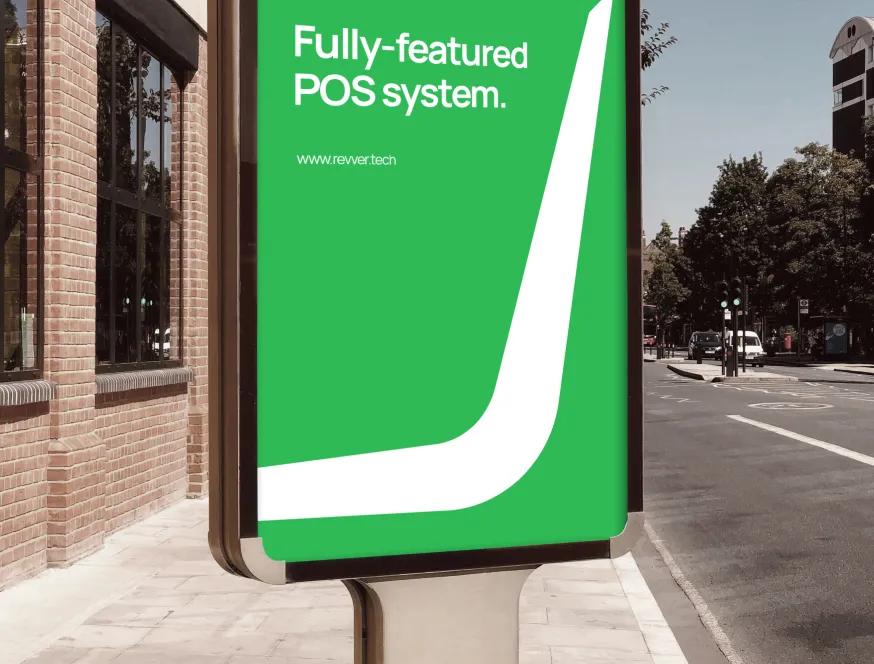
Designs Worth Remembering
A curated mix of visuals that speak louder than words — bold, refined, and uniquely crafted.








Theme or headless?
Both use Shopify for products, checkout and orders. The difference is how much freedom the storefront needs.
Custom theme
A theme built from scratch for your brand, with sections your team can rearrange in the Shopify editor. The right choice for most stores: quick to launch and simple to run.
Headless with Next.js
Your storefront becomes its own site in Next.js, talking to Shopify through its Storefront API. Full design freedom, fast pages, and room for features a theme can’t hold.
Content in Sanity
Lookbooks, guides and campaign pages are edited in Sanity, with products synced from Shopify, so editorial content sits next to the catalogue instead of in blog posts and metafields.
Integrations
Email, reviews, subscriptions, ERP and shipping tools connected through apps or the Shopify API, chosen so you pay for as few as possible.
What every Shopify build includes
Whichever route you take, the store is fast, editable and yours.
Shopify runs the commerce
Checkout, payments, taxes and stock stay with Shopify, so you get its reliability and its updates without maintaining servers.
Your team can edit it
Sections, pages and content are set up so marketing can launch a campaign without a developer.
Speed you can measure
We check Core Web Vitals before launch and keep scripts and apps to what the store actually uses.

More ways we can help

Headless Shopify: when it is worth it
Headless Shopify means Shopify keeps the products, checkout and orders, while the storefront your customers see is a separate site. It costs more to build than a theme, so it is worth it only for some stores.
When a theme is enough
- Your store is mostly a catalogue with product pages and a blog.
- Your team wants to edit everything inside Shopify.
- You want to launch quickly and keep running costs low.
When headless pays off
- Content matters as much as products: lookbooks, guides, editorial pages.
- You sell in several markets or languages with content that differs per market.
- The storefront needs features a theme can’t hold, or Shopify is one system among several.
- Page speed is costing you sales and the theme can’t get faster.
Next.js or Hydrogen?
Hydrogen is Shopify’s own framework for headless stores, hosted on Shopify’s Oxygen. Next.js runs anywhere and fits better when the site also pulls from other systems, like a CMS, a booking tool or your own app. We recommend one after looking at your store.
Shopify or Medusa?
If your pricing, checkout rules or back office don’t fit Shopify, Medusa may be the better base. We build on both and will tell you which fits.
Moving to Shopify
We move stores from WooCommerce and Magento to Shopify, with products, customers and order history moved by script and every URL redirected.