
Medusa development for stores that outgrew templates
When the way you sell doesn’t fit a theme and a stack of apps, Medusa lets us build the store around your business: your pricing, your checkout rules, your back office. Open source, on your own servers or Medusa Cloud, with a Next.js storefront and content in Sanity.

Commerce built around how you sell
Medusa gives us the commerce basics (products, carts, orders, payments) as building blocks, and room to add the parts only your business needs. We built VanGold, a Vienna bullion store, this way.
- 01
Custom modules and workflows
- 02
Next.js storefront
- 03
Content and guides in Sanity
- 04
Admin screens for your team
- 05
Multiple languages and currencies
- 06
Hosting on Medusa Cloud or your servers
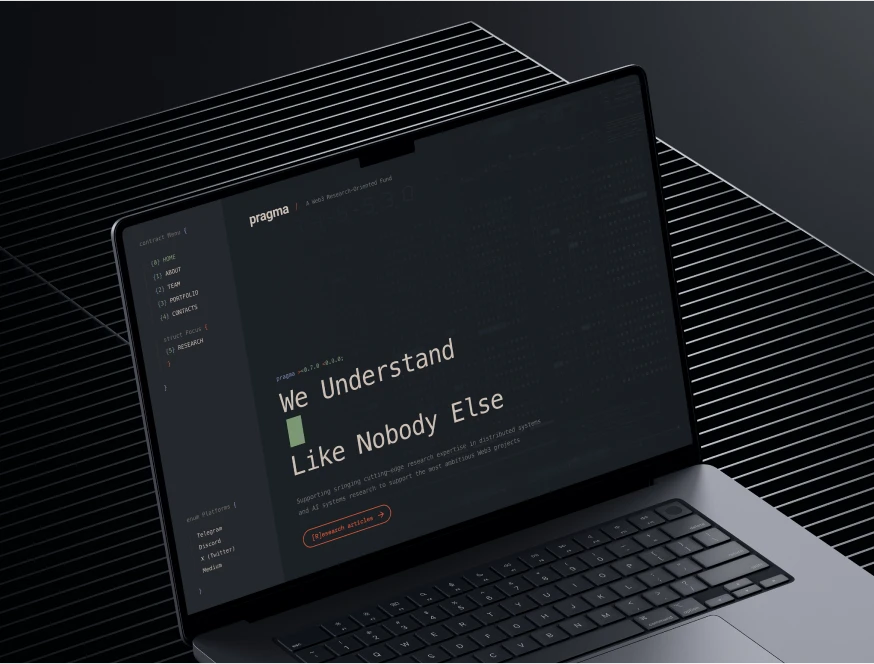
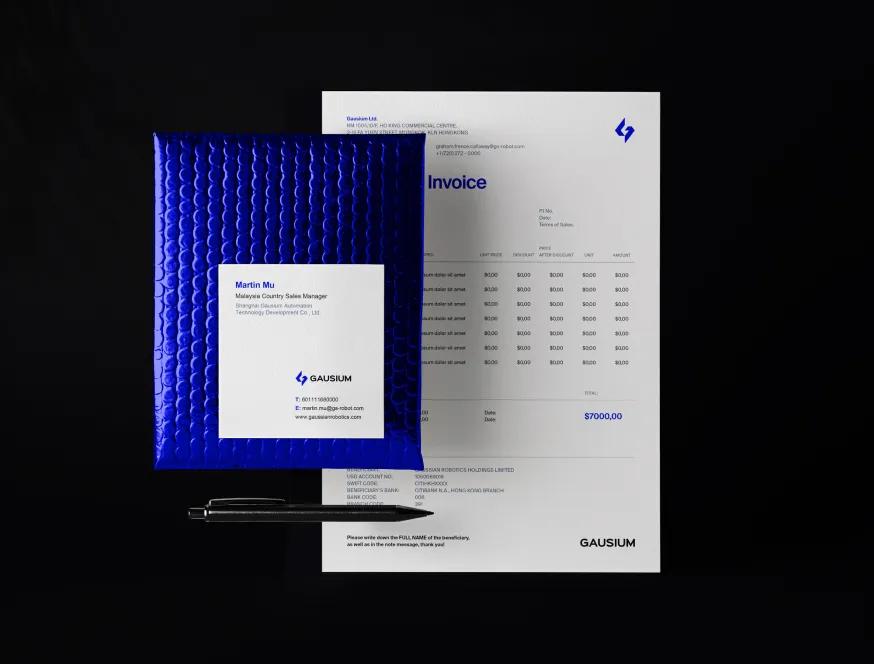
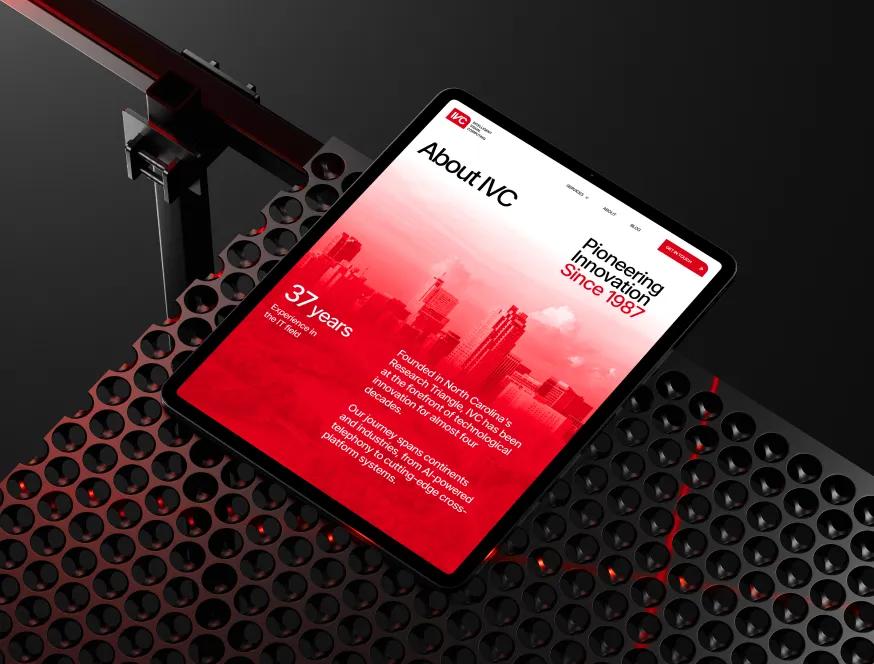
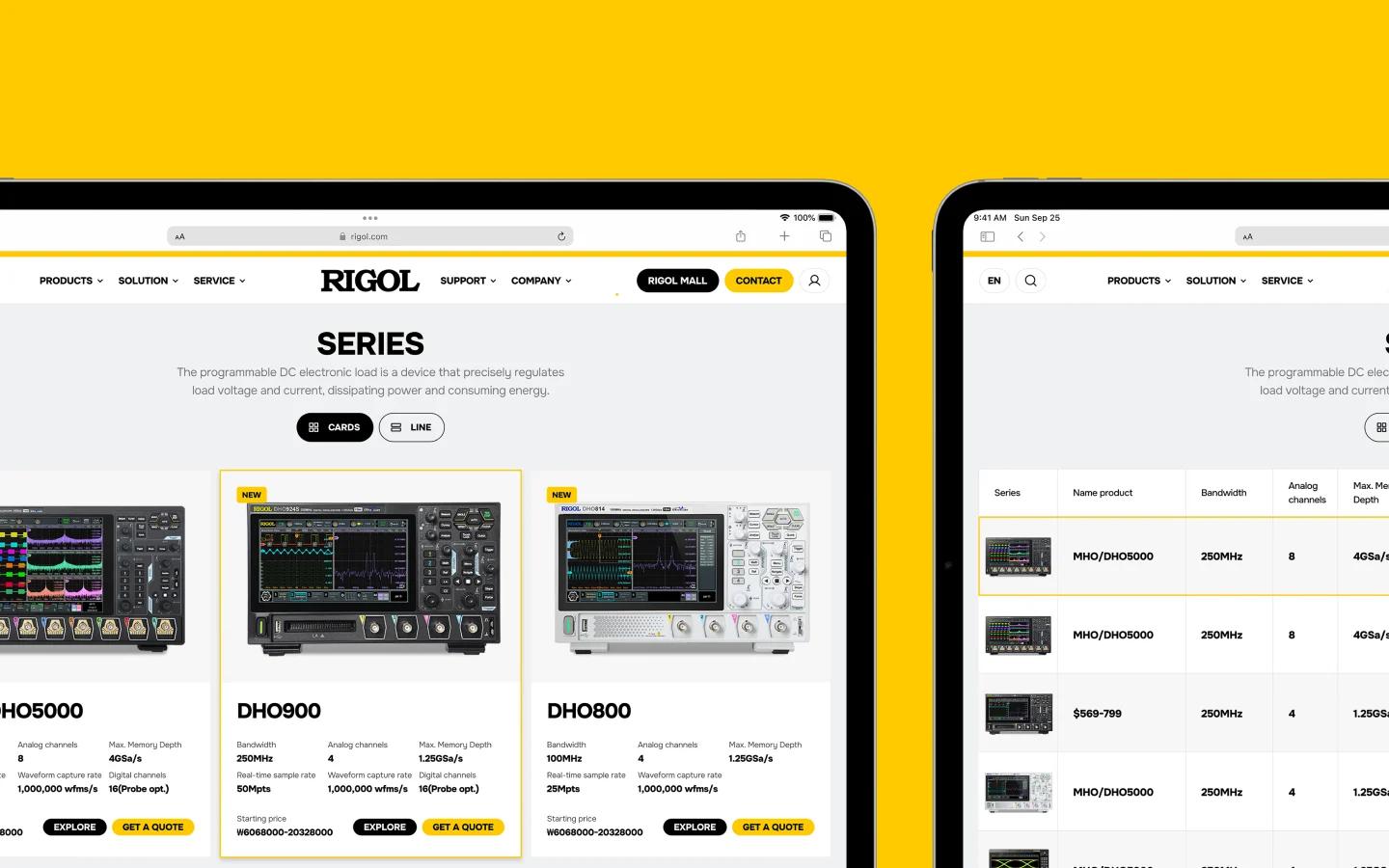
Designs Worth Remembering
A curated mix of visuals that speak louder than words — bold, refined, and uniquely crafted.





















How we build on Medusa
The commerce core stays standard, so upgrades stay easy. Everything specific to you lives in its own module.
Model the business first
Before any code, we map how you price, sell, ship and invoice, and which of it Medusa already does. Only the gaps become custom work.
Custom modules, not plugin piles
Pricing rules, documents, shipping carriers and integrations each get their own module and workflow, tested and documented, so the next developer can follow them.
An admin your team will use
We extend the Medusa admin with the screens your team needs, from order documents to settings they can change without a developer.
A storefront that sells
A fast Next.js storefront designed around your products, with editorial pages and guides in Sanity next to the catalogue.
Why Medusa
Medusa suits stores where the business logic is the product. For a standard catalogue, Shopify is often the simpler choice, and we will say so.
You own the code
Medusa is open source under the MIT licence. There is no platform fee per order, and you can host it wherever you like.
Logic without workarounds
Custom pricing, B2B rules and unusual checkouts are written into the store itself, not bolted on through apps and scripts.
Grows one piece at a time
New carriers, markets or back-office features are added as modules, without rebuilding the store or switching platforms.

More ways we can help
What we built on Medusa for VanGold
VanGold sells gold and silver bars and coins online and from its store in Vienna. A standard platform couldn’t handle prices that move every minute, Austrian tax rules and the paperwork that comes with precious metals, so we built it on Medusa.
Custom features in the store
- Live prices: products are priced from the current metal price plus markup rules the owner sets in the admin, and carts are repriced as the market moves.
- Tax rules: investment gold is VAT-exempt under Austrian law, so the store applies the right rate per product, and business customers’ EU VAT numbers are checked automatically.
- Order documents: invoices, payment requests and delivery notes are generated as PDFs, attached to the order emails and kept in the admin. Unpaid bank-transfer orders are cancelled after their deadline.
- Identity checks: larger purchases trigger the identity and review steps a precious-metals dealer needs, with documents stored encrypted.
- Two stock locations: online stock and the Vienna store are tracked separately, with store pickup, insured delivery by Austrian Post and FedEx for the rest of the EU.
- Purchasing and profit: stock enters the store through purchase orders, so every unit’s cost is known and the admin reports profit, not just revenue.
- In-store sales: the till connects to the online store, and receipts are signed through a registered cash-register service as Austrian law requires.
- Search and languages: German, English and Russian, with search across all three, so a customer can type in any of them.
- Accounts: sign-in with passkeys or a one-time email code, wishlists, restock alerts and abandoned-cart reminders.
Medusa or Shopify?
Shopify is the better choice when your store looks like most stores: a catalogue, a checkout, a few apps. It runs the servers, the checkout and the updates for you. Medusa is the better choice when the way you sell is the hard part: prices that change by the minute, B2B rules, regulation, several stock locations or a back office that has to match how your team works. You own more, and you pay no platform fee per order.
If you are not sure, we look at your store and tell you which one fits. Sometimes the answer is Shopify.
Moving an existing store to Medusa
We move stores from WooCommerce and Magento to Medusa, with products, customers and order history moved by script and every URL redirected. Moving from Shopify works the same way.