
Medical Website Design Company
Overview
We build websites for healthcare providers who need more than templates. Our focus is medical website design for practices, clinics and health startups that need a compliant, conversion-focused digital presence.
- Medical website design
- healthcare websites
- medical web development
- responsive design
- UX/UI for healthcare
- healthcare digital marketing
- medical branding
- patient experience
- medical SEO
- telemedicine websites
- healthcare web design trends
- HIPAA compliance
What Makes a Medical Web Design Agency Different?
Patient data in the right tools
A marketing website shouldn't hold patient records. We keep protected health information off the site and route intake, chat and booking through HIPAA-ready tools that sign a business associate agreement with your practice, then design those touchpoints so they still feel like part of your brand.
Accessibility beyond ADA basics
Medical sites serve elderly users, those with visual impairments, and people with cognitive challenges. We implement WCAG 2.1 AA standards as baseline, then test with actual accessibility needs in mind—proper contrast ratios, keyboard navigation, screen reader optimization.
Insurance verification workflows
People abandon sites when insurance information is unclear. We design clear benefit explanations, add insurance search where your data allows it and create pre-qualification paths that answer coverage questions before they turn into phone calls.
Multi-location practice architecture
Healthcare groups need centralized brand control with local autonomy. We build CMS structures where corporate updates cascade automatically while individual locations maintain their provider bios, hours, and service variations without duplicate content management.
How Do Medical Web Design Companies Handle Content Compliance?
Medical websites live in regulatory gray zones. You can educate visitors. You cannot make treatment promises. As a medical web design company, we structure content that informs without legal exposure—symptom education pages without diagnostic claims, treatment explanations focused on process rather than outcomes, doctor credentials that build authority without veering into advertising territory.
- 01
Condition pages optimized for user questions
We map actual search behavior of people researching conditions, not medical terminology. Someone searches "why does my knee hurt when I run" not "patellofemoral pain syndrome." We write for accessible language while maintaining clinical accuracy.
- 02
Service pages that pre-qualify visitors
Effective healthcare marketing filters out poor-fit prospects before they consume staff time. We design service pages with clear indicators of ideal candidates, insurance requirements, treatment timelines, and what people should expect during consultation.
- 03
Provider bios that convert
Most medical bios list credentials without connection. We structure bios around visitor concerns—why this doctor chose this specialty, what they focus on, how they approach care. Credentials support the narrative but don't lead it.
- 04
Blog content for long-tail search
Healthcare has enormous long-tail opportunity in informational queries. We target specific questions with educational content that ranks for search terms like "how long does physical therapy take for torn meniscus" then converts readers into appointment requests.
- 05
Trust signals positioned strategically
Certifications, association memberships, and reviews must appear where doubt occurs in the user journey—near contact forms, on service pages, before appointment requests. Placement timing matters more than quantity.
Why Our Medical Website Design Agency Recommends Webflow
Healthcare websites need frequent content updates without depending on a developer. Webflow gives your staff control over content while keeping the design consistent, and its managed hosting makes a fast site easy to keep fast.
- 01
CMS flexibility for complex service offerings
Medical practices have layered service taxonomies: specialties, conditions treated, procedures offered, insurance accepted. Webflow CMS handles this without custom database work, so visitors can filter services by insurance provider, body area, treatment type or doctor at the same time.
- 02
No plugin vulnerabilities
WordPress medical sites need constant security updates across plugins for forms, scheduling, security and caching, and every plugin is a potential breach point. Webflow is fully hosted and managed, so there are no plugins to patch, which removes a whole class of risk.
- 03
Secure forms for patient data
Webflow serves every page and form over SSL, but its native forms aren't meant for protected health information. Anything clinical goes through HIPAA-ready form and intake tools that sign a BAA with your practice, embedded so they still look like your site.
- 04
Responsive design without compromise
Medical site visitors skew older and heavily use tablets. Webflow's responsive engine ensures touch targets meet minimum 44x44 pixel standards, text remains readable without zooming, and navigation works across all devices without separate mobile templates or app requirements.
- 05
Integration with practice management systems
Where your scheduling platform (Acuity, SimplePractice, DrChrono), CRM or patient communication tool offers an API or an embeddable widget, we connect your Webflow site to it, directly or through an automation platform like Zapier, so requests reach the right system without re-entry.
How Our Medical Web Design Agency Selects Projects
- 01
Practices That Treat the Website as Infrastructure
We work best with practices ready to treat their website as infrastructure, not decoration: clinic websites, hospital platforms, branding for new practices, or medical websites that balance aesthetics with function. Medical work needs deep industry focus and careful attention to compliance, and we give every project both.
- 02
Let's Discuss If We're the Right Fit
If your practice needs a medical website design company that handles technical requirements, converts visitors into appointments, and doesn't require ongoing developer support, let's discuss your project. We're selective about healthcare clients we work with, but we're open to conversation about your specific needs.
- 03
We Start with Discovery, Not Design
The best partnerships start when you have clear patient acquisition goals, existing traffic data we can analyze, and internal buy-in for conversion-focused redesign rather than purely aesthetic updates. If you're tracking appointment sources, know your current site's performance gaps, and understand that effective medical web design requires both compliance rigor and user experience optimization, we should talk. Projects typically begin with a discovery phase where we audit your existing digital presence, identify conversion barriers, and map patient journey improvements before any design work starts.



Frequently Asked Questions
You’ll probably find an answer to your question here. If you’re still not sure or want to clarify something, just drop us a line at hello@celerart.com. Whether you need creative web design builders, we’re here to help.
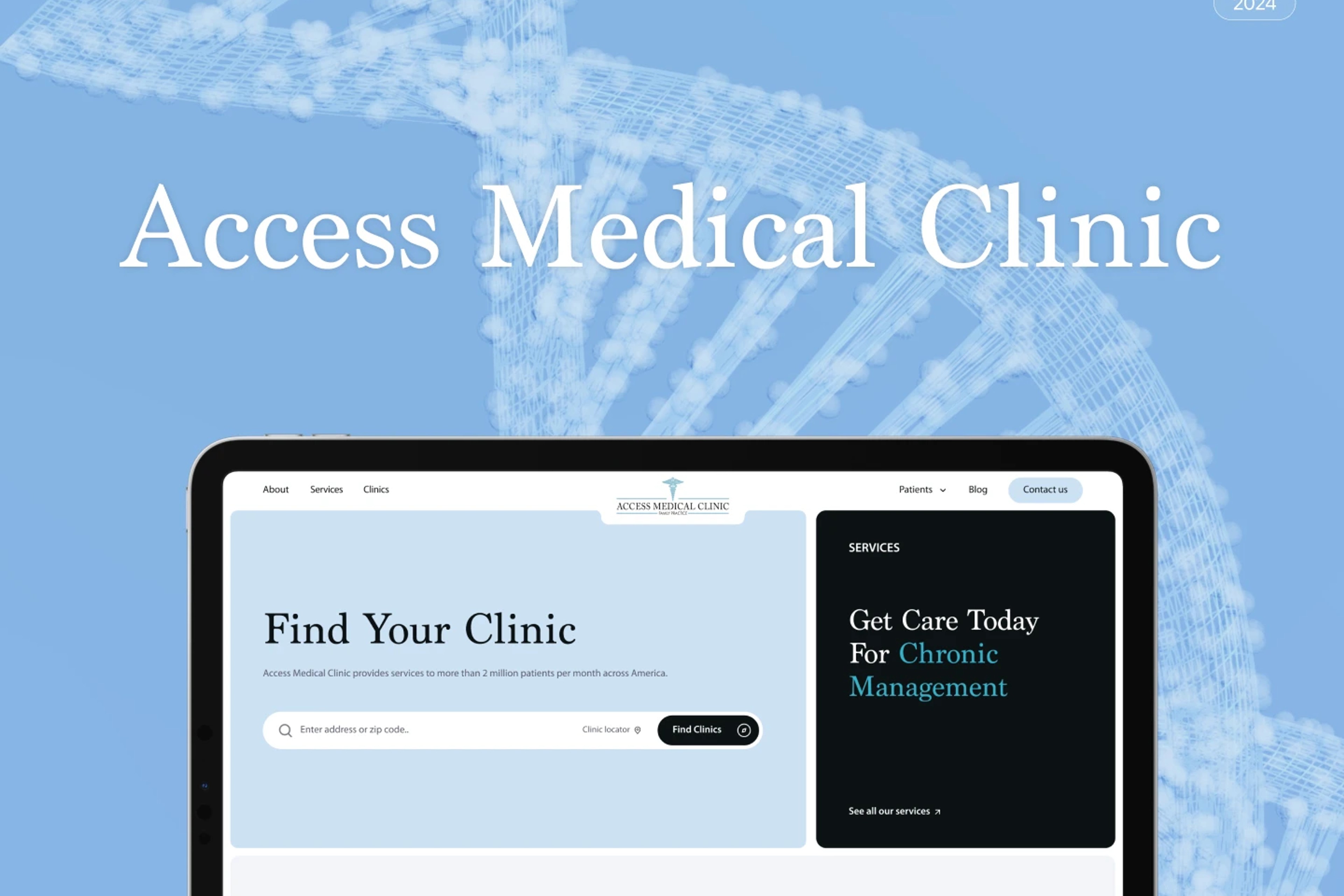
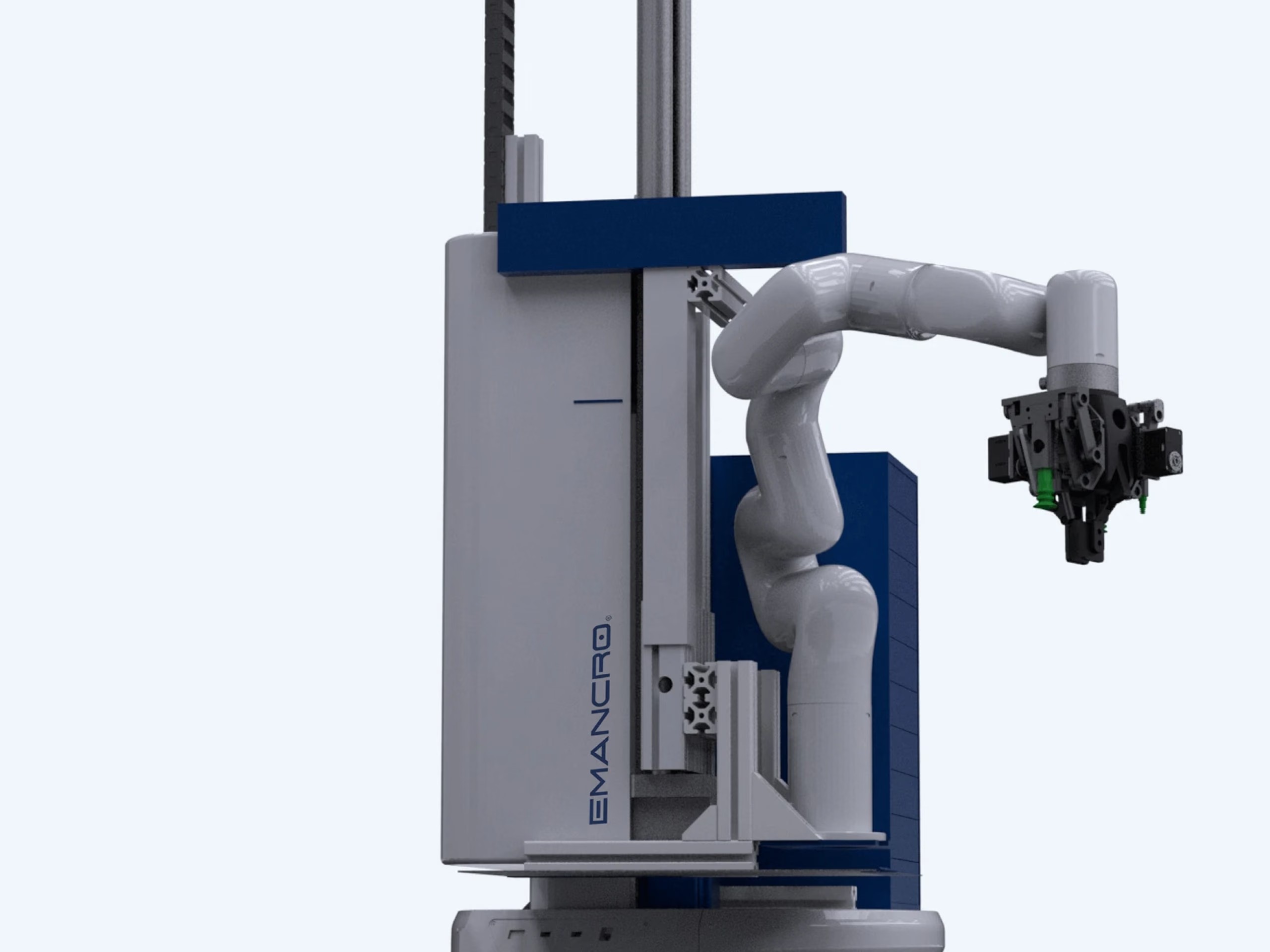
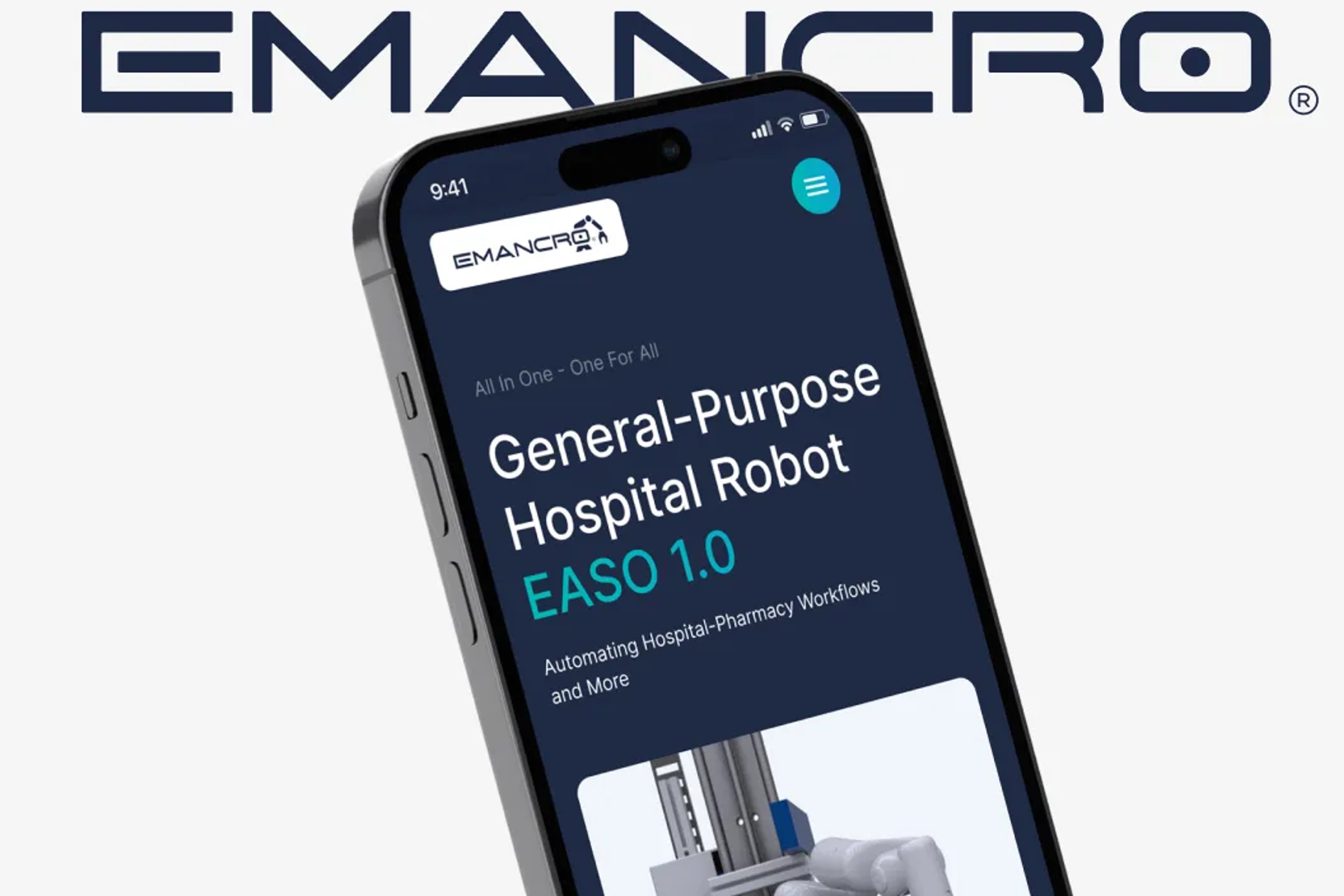
Yes, including Access Medical Clinic and Emancro. We design for practices, clinics and health startups.
Yes. Each location gets its own page with address, hours, team and services, while the brand and booking stay consistent across them.
We keep the path to an appointment short and obvious on every page, and make it work well on a phone.
One-pagers can take a week or two to design & build, small to medium websites generally take ~4 weeks, and bigger or more complex or highly interactive websites can take a couple of months to launch. It also depends on you a lot - we will need your feedback and approvals at certain stages.

Prefer emailing?hello@celerart.com