
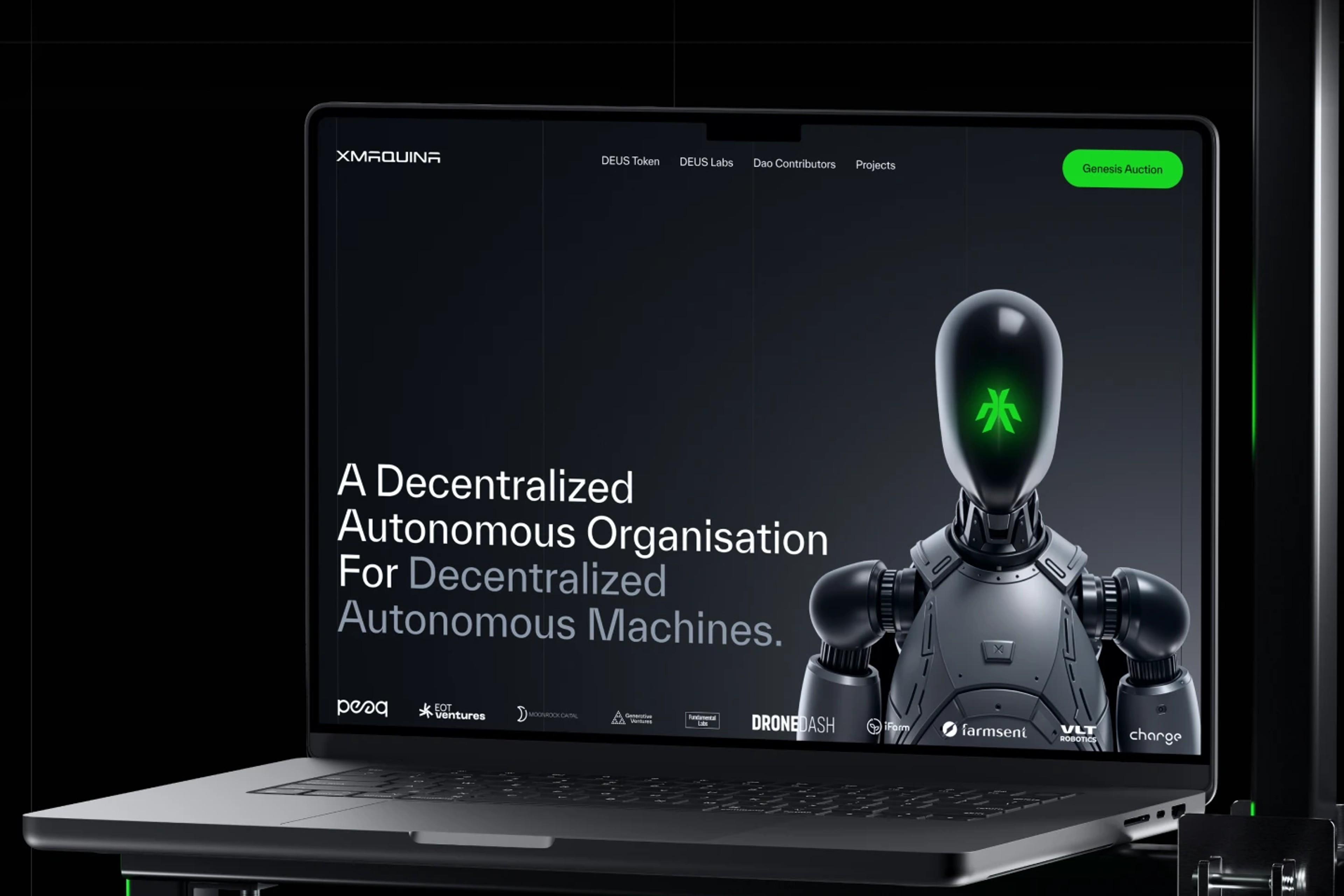
Crypto Website Design
Overview
We design websites for blockchain companies, DeFi protocols, and Web3 platforms where interface clarity directly impacts trust and capital deployment decisions. Our crypto website design approach focuses on projects that need more than visual aesthetics—they require designs that explain complex tokenomics, reduce friction in multi-step flows, and signal technical legitimacy to investors and regulators without compromising decentralization principles.
- crypto website design
- cryptocurrency website
- digital currency design
- crypto web development
- responsive crypto websites
- crypto exchange design
- crypto wallet design
What differentiates cryptocurrency web design from traditional web projects
Wallet connection is your primary conversion event
Unlike traditional sites where conversion means form submission, crypto products convert when people connect wallets and sign transactions. This moment carries financial risk and psychological weight. We design progressive trust-building flows that prepare visitors for wallet interaction through educational content, previews, and security indicators—not by hiding complexity, but by sequencing information appropriately.
Regulatory compliance shapes every design decision
KYC requirements, jurisdiction restrictions and AML disclaimers can't be afterthoughts. We build compliance elements into flows from the start: geolocation-based content, progressive KYC that doesn't block initial exploration, and the wording your legal counsel signs off presented so it doesn't wreck the user experience.
Token economics requires visual translation
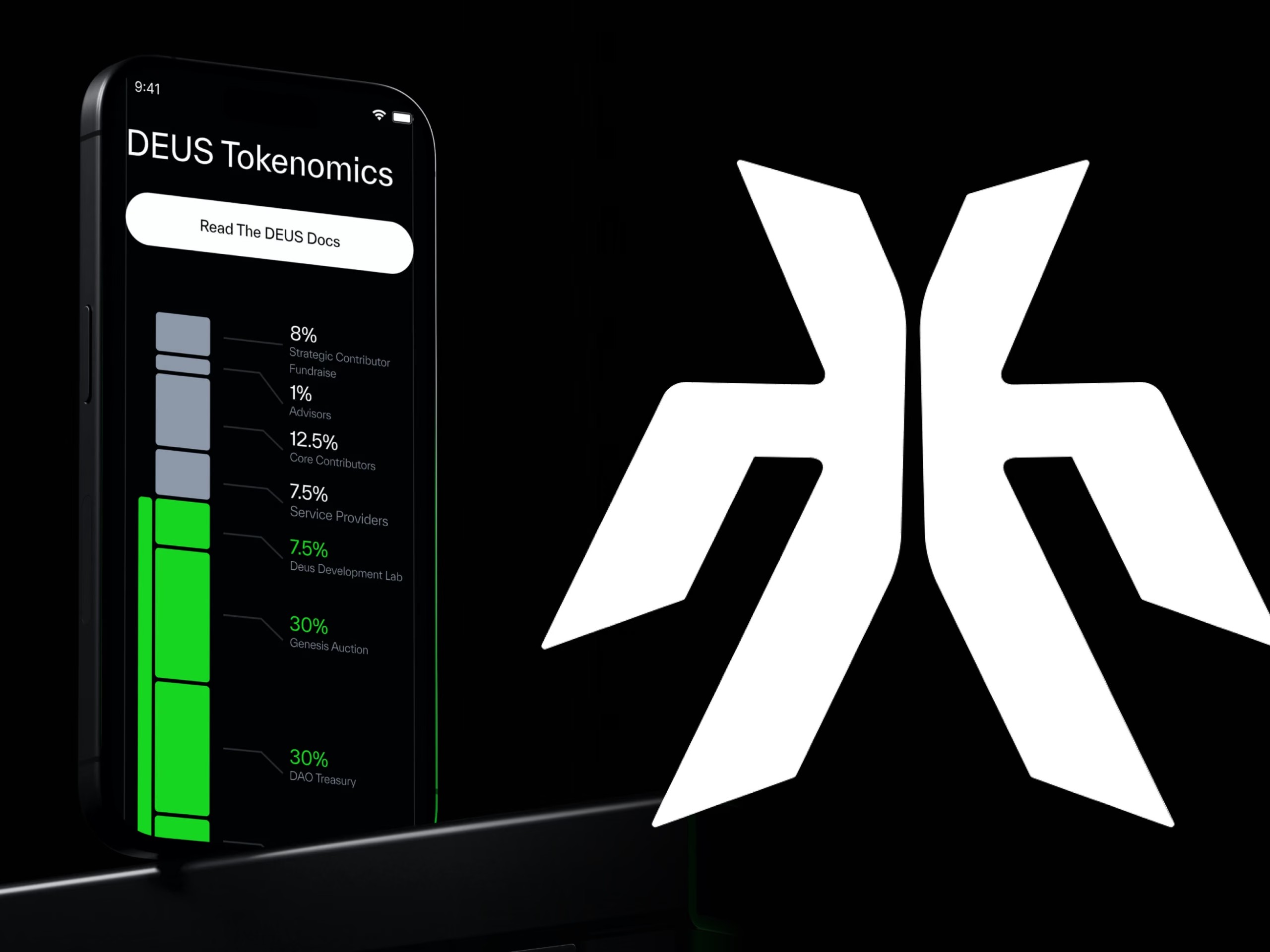
Staking mechanisms, liquidity pool dynamics, governance voting power—these concepts don't translate through text alone. We use interactive calculators, visual hierarchies, and progressive disclosure patterns that break down tokenomics into digestible components while maintaining technical accuracy.
Community scrutiny operates at a different intensity
One poorly worded security claim or vague roadmap statement can set off community backlash and erode trust fast. Before anything ships, we review every claim on the site and keep the transparency elements your community relies on to verify you.
Design patterns that reduce friction in modern DeFi interfaces
A common failure point in DeFi interfaces is the final confirmation step: people can't quickly verify what they're approving, because token amounts, gas fees and slippage tolerance are buried in dense data.
We restructure confirmation screens so they show token amounts in both crypto and fiat, put gas estimates at the top of the hierarchy and add a plain-language summary of the outcome.
- 01
Progressive onboarding without overwhelming newcomers
First-time DeFi participants don't need to see APY percentages, impermanent loss warnings, and advanced parameters on their first interaction. We structure information hierarchies so beginners access simplified paths while experienced participants reach advanced controls through intentional UI/UX layers—visible, but appropriately sequenced.
- 02
Real-time data display without visual chaos
Price feeds, TVL counters, pending states—all update live. The challenge is showing real-time blockchain data without creating cognitive overload. We use controlled micro-animations, clear visual hierarchies, and strategically placed static anchor elements that prevent screens from feeling like constantly shifting dashboards.
- 03
Multi-step flows with continuous feedback
People need status updates at every stage: submitted, awaiting block confirmation, smart contract execution, state update complete. We design progress indicators that map to actual on-chain execution stages, not generic loading states that obscure what's happening.
- 04
Contextual documentation as part of the experience
Your docs aren't separate from your product—they're part of the flow. We integrate tooltips, expandable explanations, and contextual help directly into workflows. People shouldn't need to open a new tab to understand "slippage tolerance" while they're mid-swap.
- 05
Multi-wallet support without fragmenting the experience
MetaMask, WalletConnect, Coinbase Wallet, Ledger—each has different connection patterns and capabilities. The cryptocurrency website theme needs to handle this variation gracefully while maintaining consistency regardless of which wallet people choose.
Technical implementation with professional design standards
- 01
Fast first load
When people make financial decisions, every delay adds hesitation. We get core elements on screen fast even when the page pulls live blockchain data, with caching, lazy loading for non-critical components and efficient calls to node providers like Alchemy or Infura.
- 02
Chain detection and network switching
If your protocol operates across multiple blockchains, the site must detect which network the wallet connects to and either adapt or prompt network switching. Poor implementation creates failed operations and confusion.
- 03
API rate limiting and graceful degradation
Node providers have rate limits. Your design needs fallback strategies—displaying cached data with timestamps, degrading to public nodes, or clearly communicating when real-time data isn't available rather than breaking silently.
- 04
Typography and visual hierarchy for complex data
Clear typography choices matter when displaying contract addresses, hashes, and multi-decimal token amounts. We use monospace fonts for addresses, appropriate color scheme decisions that distinguish between actionable and informational elements, and gradient accents that guide attention without creating visual noise.
- 05
Smart contract interaction states
People need visibility into contract execution: approval granted, pending, confirmation received, contract state updated. We design state management that reflects actual blockchain processes, not simplified "loading" abstractions that hide what's happening on-chain.
When custom development needs exceed our crypto web design agency approach
Proper crypto website design needs deep immersion in your protocol mechanics, community dynamics and regulatory constraints. These are the projects where we're not the right fit.
- 01
Pre-product projects without data
If you're pre-testnet, pre-token, or still operating in stealth mode with no active participants, we're not the right fit. Our design process requires real patterns, actual behavior data, and concrete conversion metrics to optimize against. Without this foundation or a prototype to test, we'd be guessing rather than designing.
- 02
Projects requiring heavy custom smart contract integration
Standard template approaches work well for content-driven sites, marketing pages, and interfaces with API-based blockchain interactions. But if your product needs complex WebSocket connections to multiple chains, custom backend logic for contract state management, or real-time mempool monitoring, a traditional development stack serves you better than any pre-built crypto website theme.
- 03
Anonymous teams or high regulatory uncertainty
We need transparent communication with your legal counsel, a clear understanding of your compliance posture and direct access to team members. Projects with anonymous founders or operating in legally ambiguous territory carry execution risks we can't manage well.
- 04
Compressed timelines that skip essential steps
If you need deployment in two weeks because your token launch is already scheduled, we'll decline. Proper cryptocurrency design requires research, mockup iterations, security review of all claims, community feedback loops, and thorough testing of wallet integration flows. Rushing this creates the exact trust deficits you're trying to avoid.
- 05
Design philosophies incompatible with clarity-first approach
We don't execute maximalist aesthetics, auto-playing hero videos, aggressive countdown timers, or designs that prioritize hype over information architecture. If your vision centers on FOMO-driven elements or screens that obscure functionality behind heavy animations, our principles don't align.



Ergosoft


Frequently Asked Questions
You’ll probably find an answer to your question here. If you’re still not sure or want to clarify something, just drop us a line at hello@celerart.com. Whether you need creative web design builders, we’re here to help.
You get a bespoke website expertly designed in Figma and eventually built in Webflow. So you get a custom, fast, and modern website that does its job - gets you presented online in a great way. We can help with the domain and setting up Webflow, too.
One-pagers can take a week or two to design & build, small to medium websites generally take ~4 weeks, and bigger or more complex or highly interactive websites can take a couple of months to launch. It also depends on you a lot - we will need your feedback and approvals at certain stages.
Usually, when the goal is clearly defined, we know exactly what we gotta do, so we create 1 concept, sometimes 2, and then we revise them as much as necessary with your feedback until it gets perfect. Sometimes, we change direction. Then, we design the rest of the pages. So yeah, you get revisions and concepts.
All yours, but we reserve the right to proudly display the work on our website, social media, and other publications.
Optionally. We can hand everything over to you, and then you deal with domain & hosting payments yourself, or we can manage everything for you if you don't want to deal with it. If you want regular tweaks and website updates, you can hire us for a monthly retainer.

Prefer emailing?hello@celerart.com